




Meet Emily Spurgeon
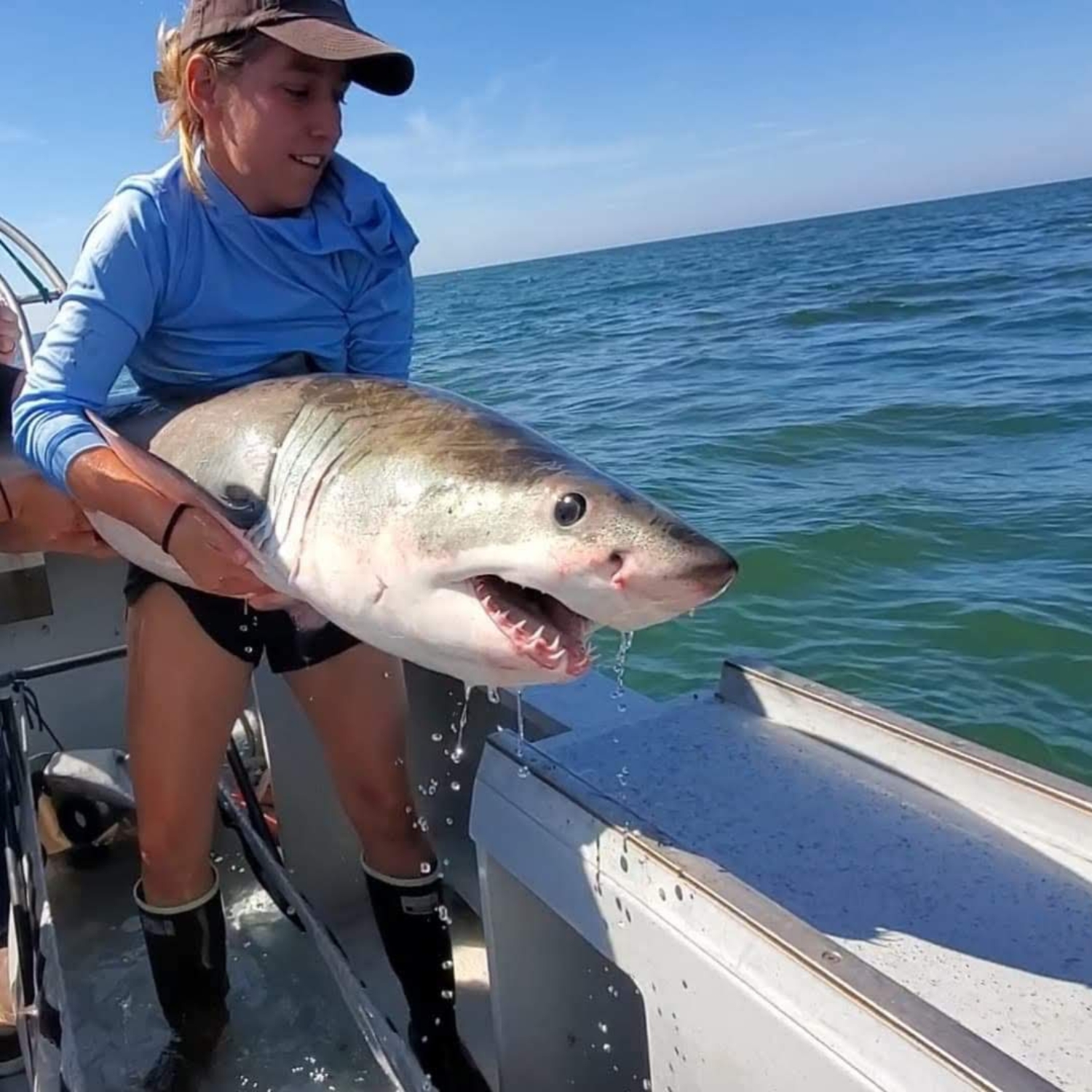
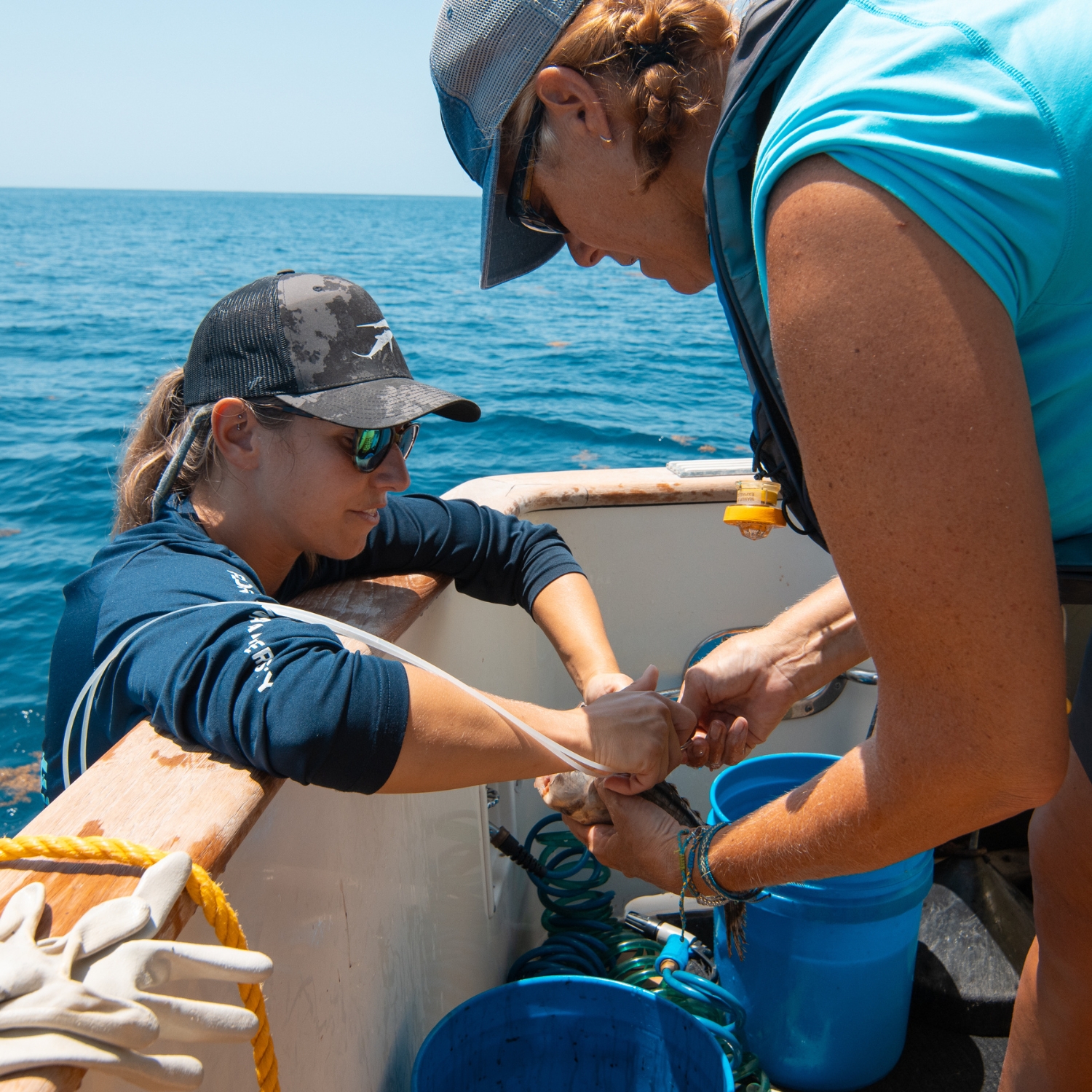
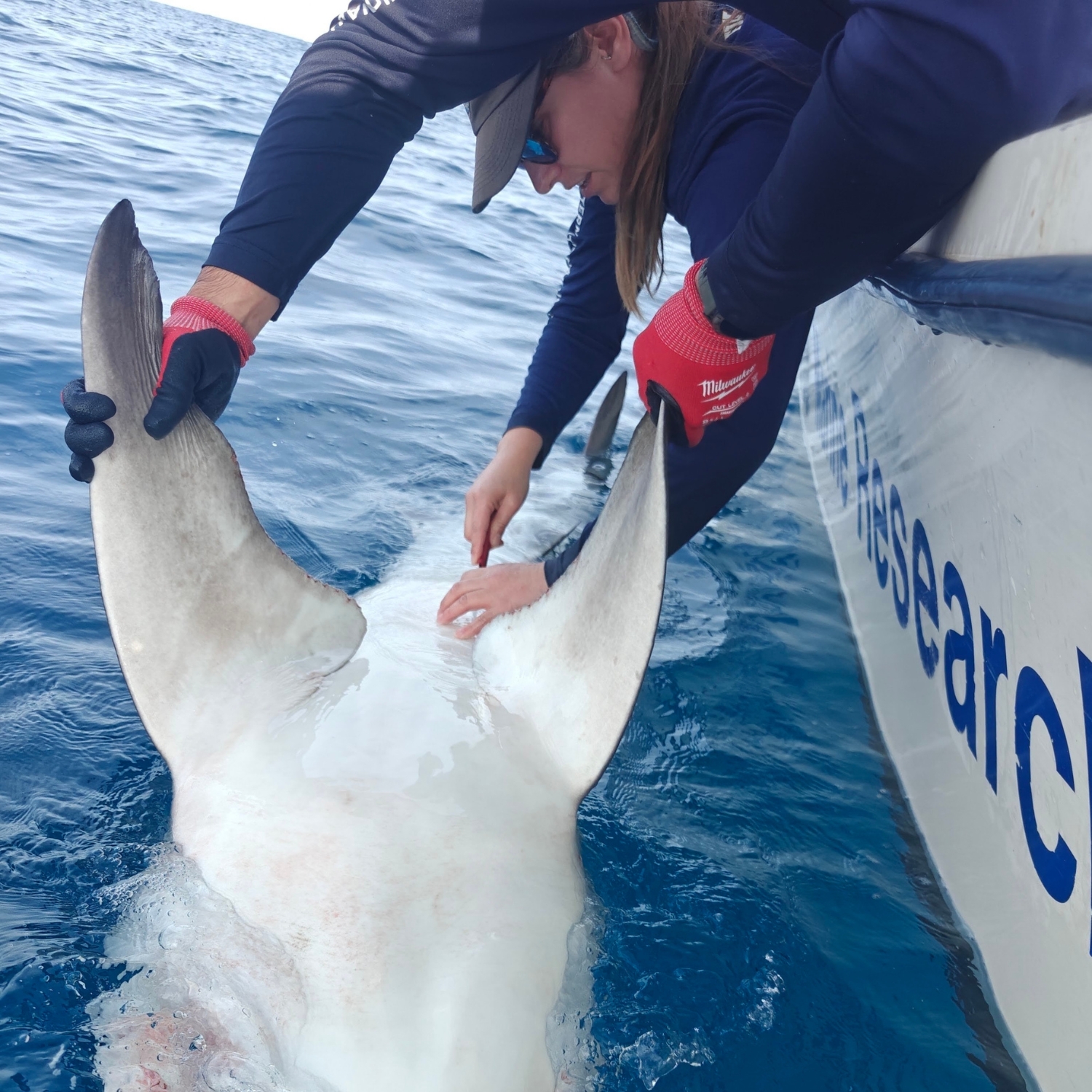
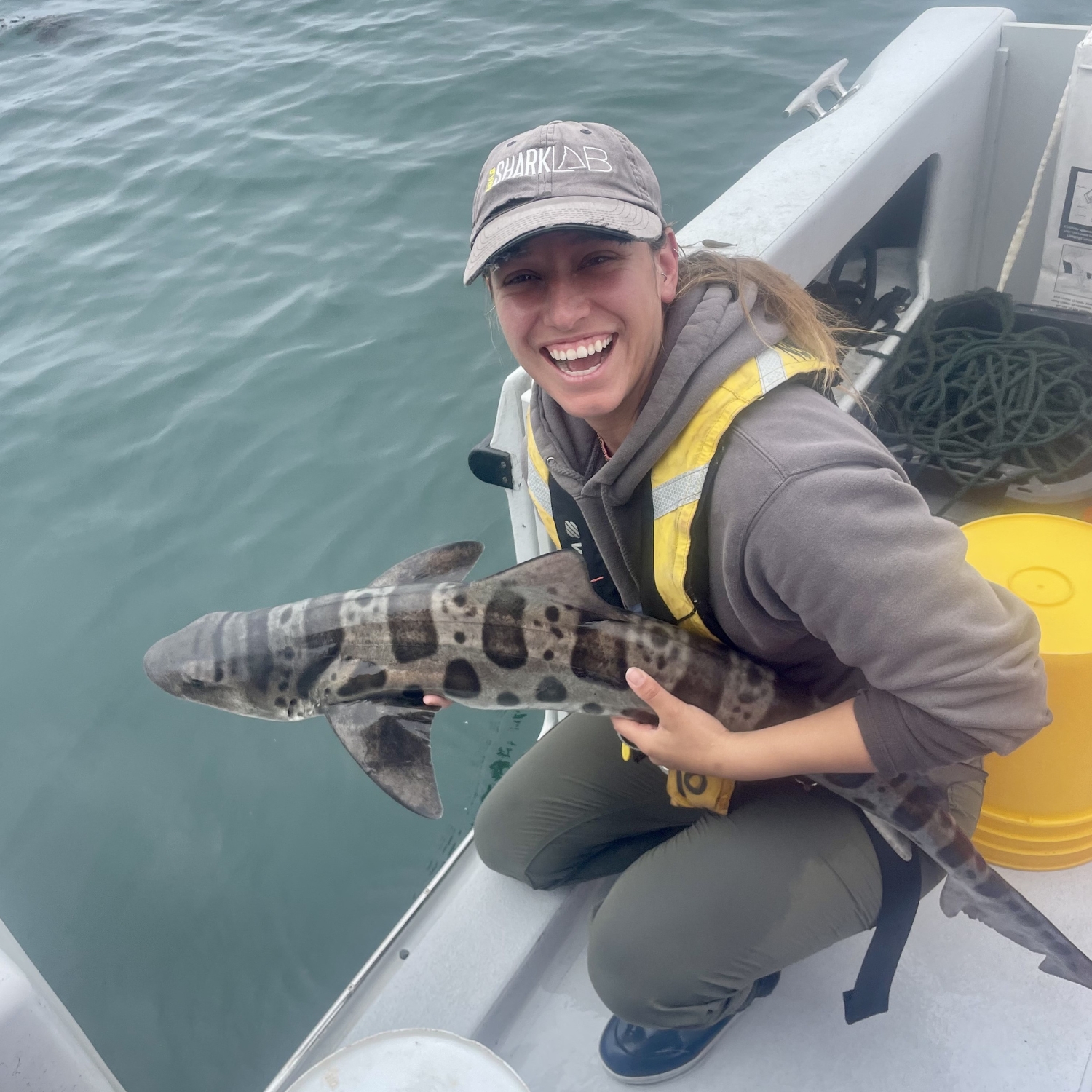
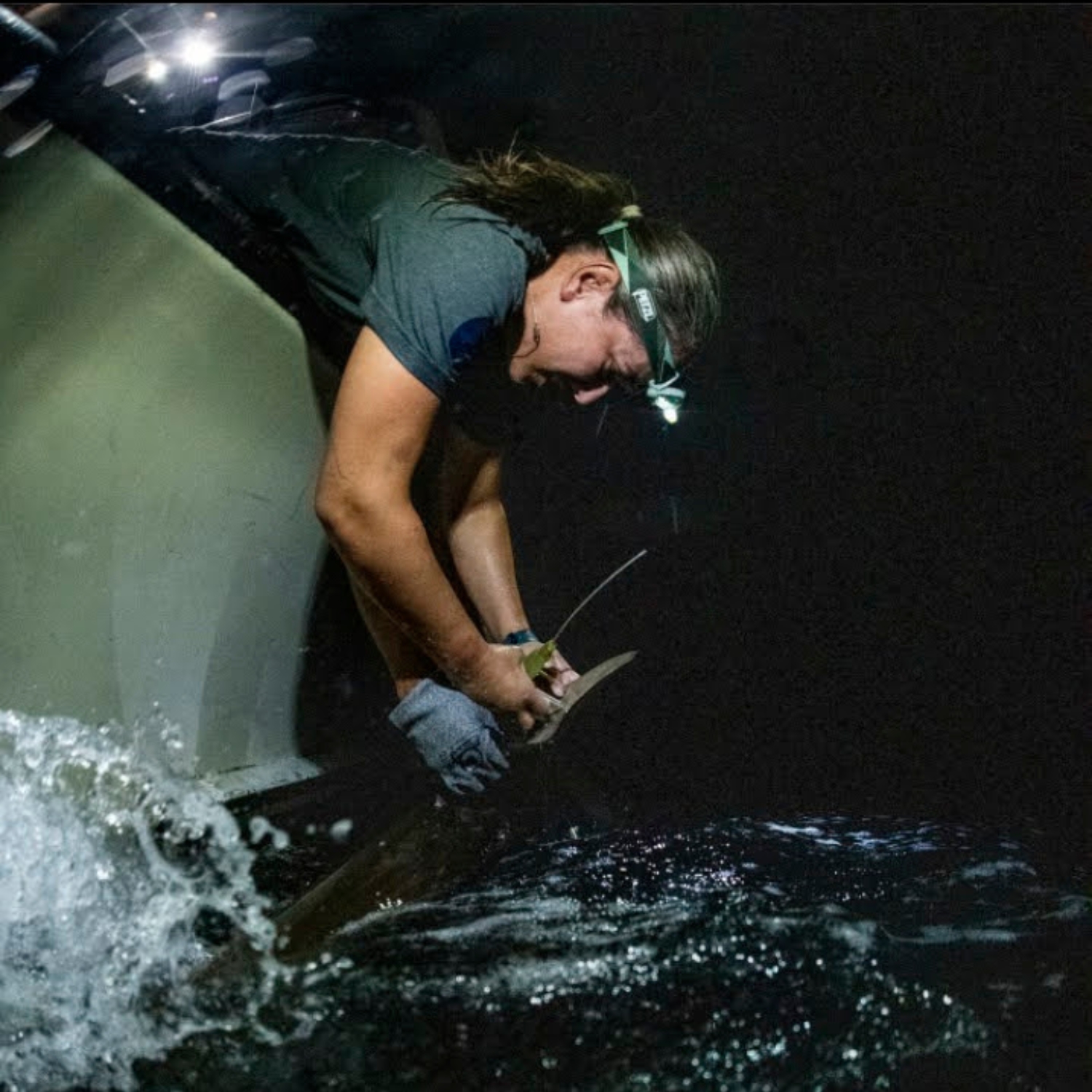
I earned my B.S. in Biological Sciences from California Polytechnic State University, San Luis Obispo, before completing my M.S. at California State University, Long Beach (CSULB), where I studied the movement and behavior of juvenile white sharks in Southern California nursery habitats. After graduating, I continued at the CSULB Shark Lab as a full-time research technician, leading field research, mentoring students and participating in science outreach and communication. I am currently a Ph.D. student in the Predator Ecology and Conservation Lab at Florida International University. My research explores how environmental conditions shape the movement, behavior and ecology of bull, sandbar and juvenile white sharks using acoustic telemetry, biologging camera tags and stable isotope analysis. I also work as a research technician with Saving the Blue, contributing to shark research and conservation initiatives in The Bahamas. I am passionate about using innovative technologies to better understand shark ecology and sharing that science to inspire conservation and connect people with the ocean.
2023 M.S. in Biological Science, California State University
2016 B.S. in Biological Science – California Polytechnic State University


Get To Know Emily
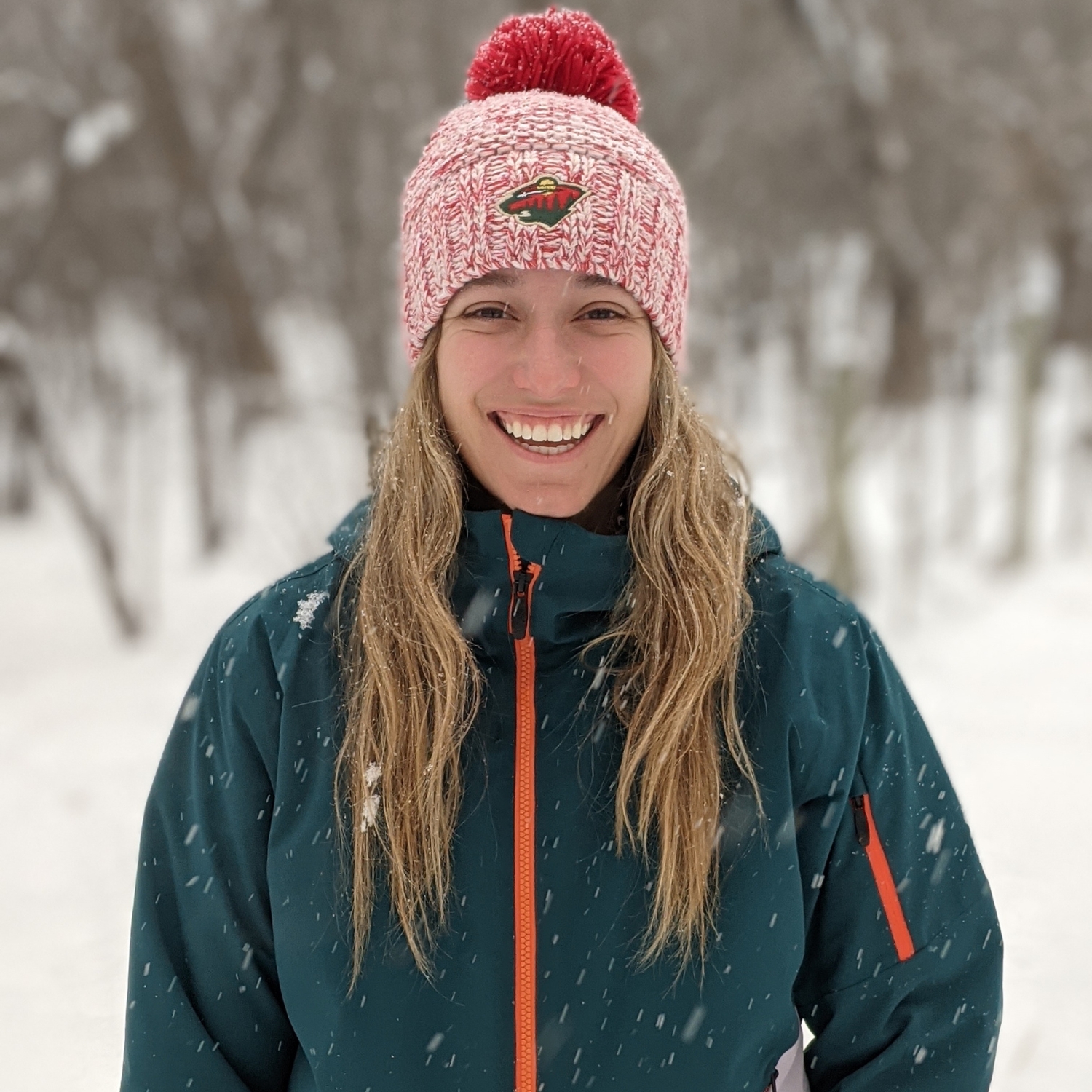
I grew up in Minnesota, about as far from the ocean as you can get! Even though I wasn’t surrounded by the sea, I was fascinated by wildlife and the ocean and spent as much time as I could outdoors. Growing up far from the coast taught me that you don’t have to live near the ocean to build a career studying it.
Besides sharks, my favorite sea creatures are nudibranchs! They may be small and often overlooked, but their huge diversity of shapes, colors and patterns is amazing, and it feels like a treasure hunt to spot one. They remind me to appreciate the little stuff too!
My thesis explores how environmental conditions shape the movement, behavior and ecology of sharks. I study juvenile white sharks in California, and bull and sandbar sharks in Florida to better understand how they use different habitats, respond to changing environmental conditions and interact with each other.
I chose to attend graduate school because I love how much there is still to discover about sharks. They are some of the most misunderstood animals in the ocean, and despite decades of research, there is still so much we don’t know. I wanted to be part of uncovering those mysteries and using that knowledge to help conserve these incredible animals.
One of the most surprising things I’ve learned in my past research is just how picky juvenile white sharks are! They make incredibly deliberate decisions about where they spend their time in the water, often staying within a very specific temperature range. In many ways, they’re just like us as we naturally seek out temperatures where we’re most comfortable, and it turns out young white sharks do the same.
In my current research, I am always impressed by how much time bull sharks spend interacting with one another and other species of sharks throughout the day.
I hope my research helps people better understand large sharks like bull and white sharks and the important roles they play in healthy marine ecosystems. By learning how these animals move and use habitats that often overlap with people, we can make more informed decisions that support both shark conservation and human coexistence.
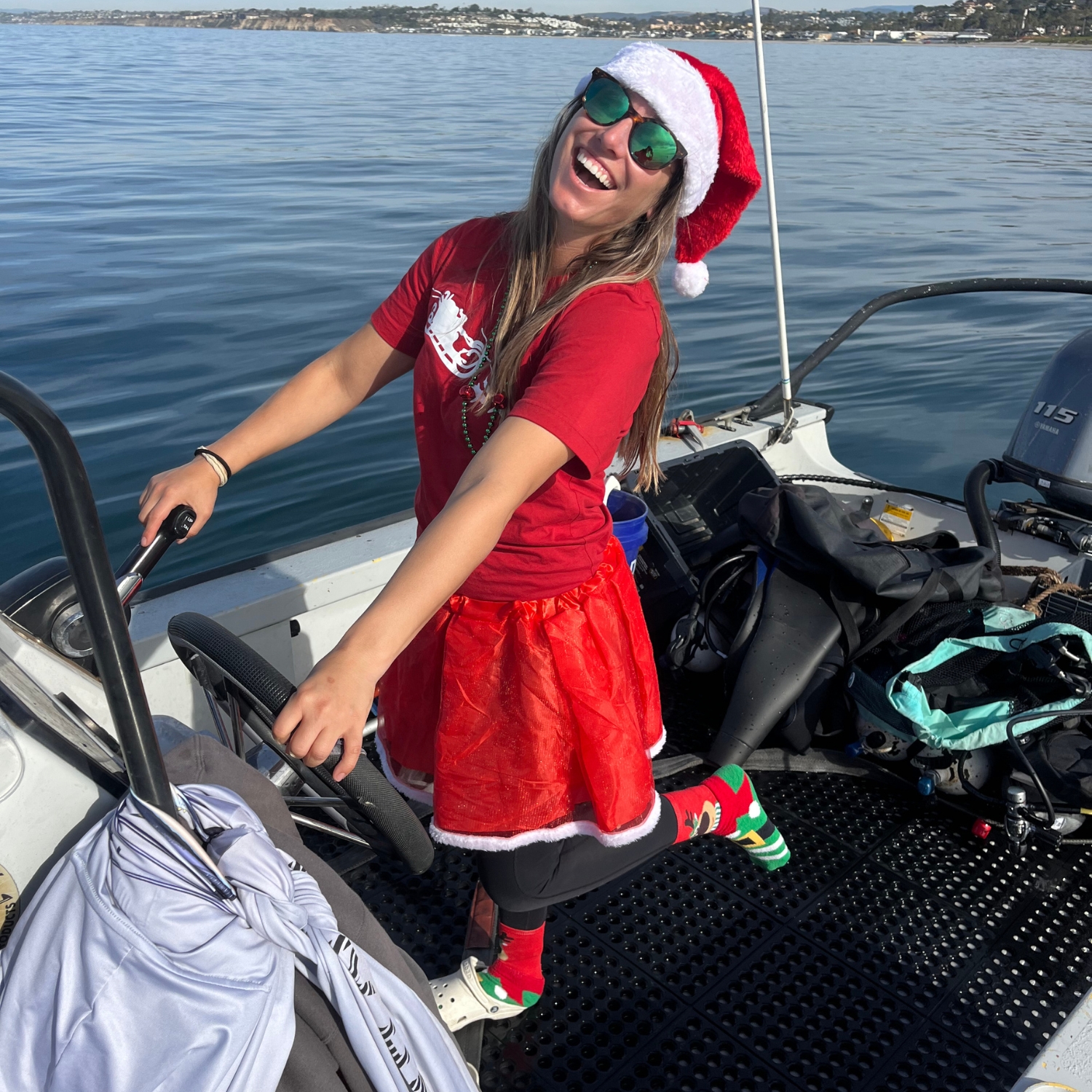
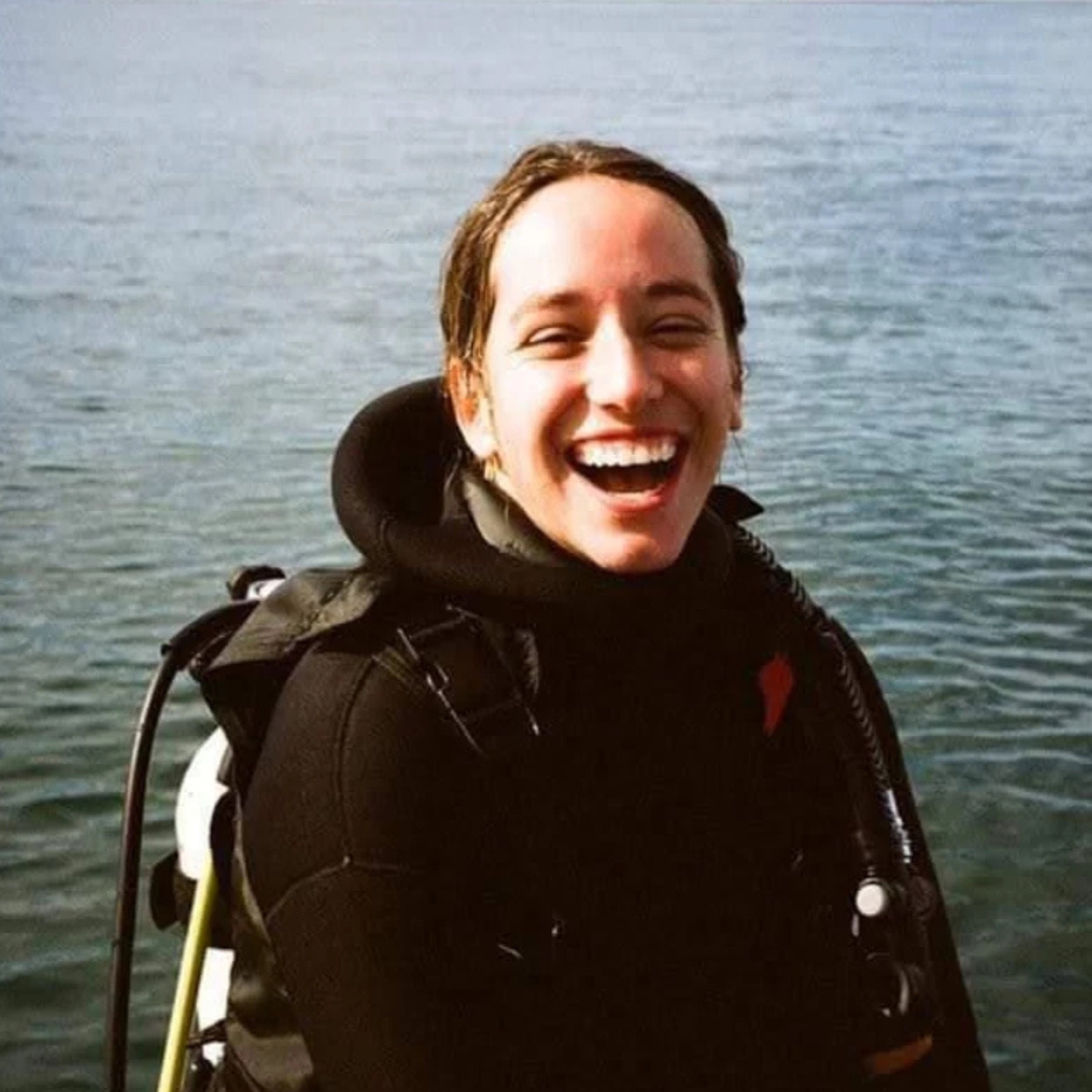
I grew up in Minnesota before moving to California for college, where I actually started out studying a species of marine snail. Along the way, I learned to drive boats, earned my scientific diving certification and completed an internship in South Africa studying great white sharks. After graduating, I completed another internship in The Bahamas, where I was introduced to the founders of the Saving the Blue team and have continued working with them ever since. I also worked as an outdoor school naturalist and in environmental consulting before returning to graduate school. All of those experiences eventually led me to the California State University, Long Beach Shark Lab for my master’s research on juvenile white sharks, where I later stayed as a research technician before moving to Florida to begin my Ph.D.
My dream job is one where I can continue to combine fieldwork, data analysis, mentoring students and sharing science with others. I love the balance of being outdoors collecting data, answering scientific questions and teaching the next generation of marine scientists.
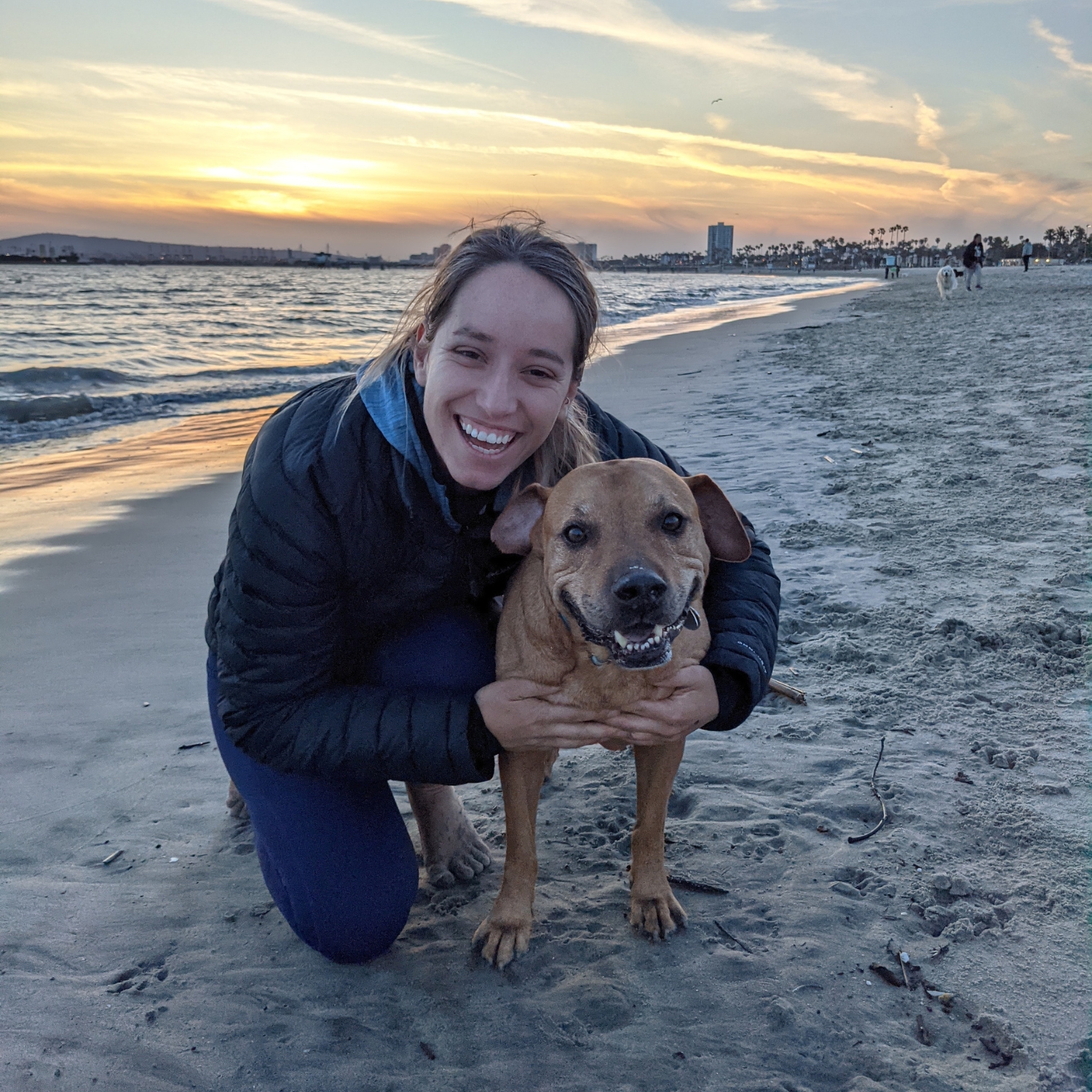
There really isn’t a typical day as a graduate student, and that’s one of the things I love most about it. Some days I’m at my computer from morning until night analyzing data, writing or making presentations. Other days I’m out in the field collecting data and working with sharks. My favorite days are the ones where I get a little bit of everything by spending time outdoors doing research, making progress on my data and then coming home to spend time with my dog and recharge before doing it all again.
One of the most rewarding parts of my work is mentoring students and teaching them new skills, whether that’s in the field or at a computer analyzing data and learning to code. Watching someone gain confidence and eventually use those skills independently to become an incredible scientist is one of my favorite parts. One of the most challenging parts of my work is being able to effectively communicate and organize teams and people across many different departments or organizations, but it’s also what makes scientific research so rewarding in the end as well when it all comes together.
Research only has an impact if people can understand it, and I hope that by making science accessible and exciting, I can inspire the next generation of scientists and encourage more people to care about protecting our oceans.
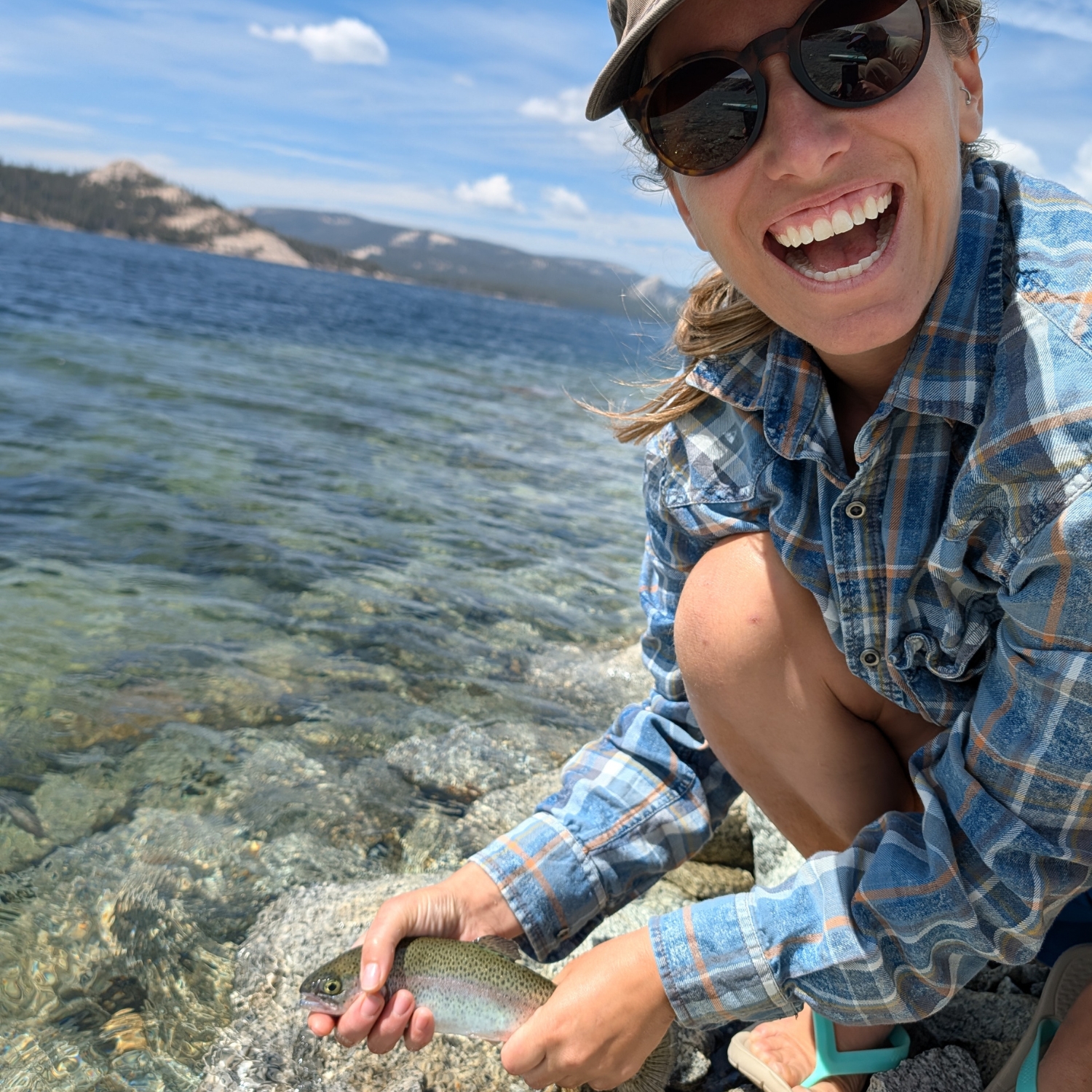
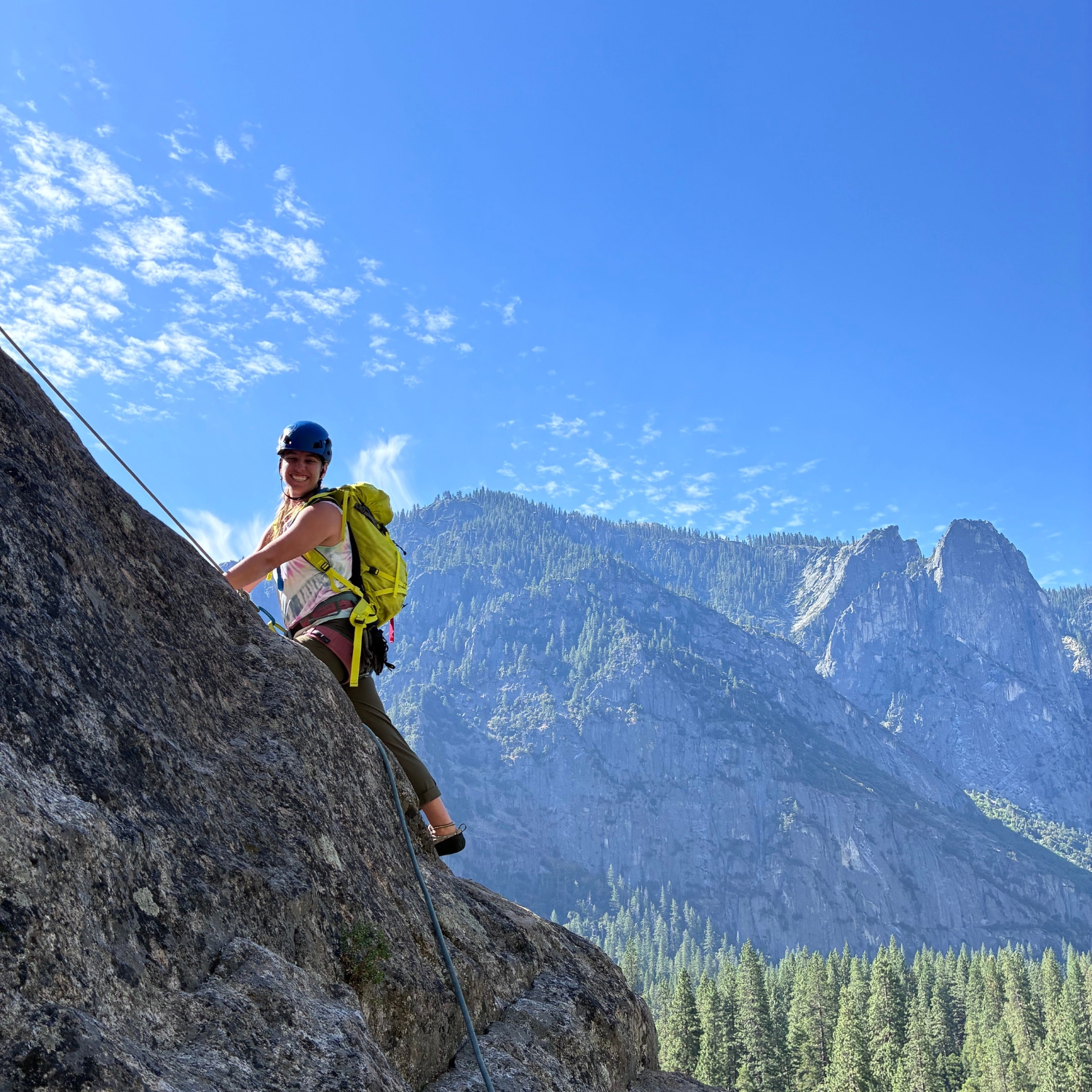
I love spending my free time outdoors with my dog and am always looking forward to my next adventure. Whether it’s rock climbing, camping, snowboarding, paddle boarding, diving, hiking or exploring somewhere new, I’m happiest when I’m outside enjoying nature.
Don’t be afraid to step outside your comfort zone and try new things. Some of the best opportunities come from taking on challenges that feel a little intimidating and you’ll gain valuable skills along the way. There will never be a “perfect” time to pursue your goals, so don’t wait for one! Take the chance, trust yourself and know that you’re capable of rising to the challenge.
Every time I’m out in nature or have the chance to interact with wildlife, I’m reminded why I do what I do. It reignites my passion to be a voice for animals that can’t speak for themselves and to do everything I can to help protect them and the habitats they depend on for future generations.
Interview conducted in August 2026