

skip to Main Content

Gina Badlowski

Marine Ecologist

Logo - Florida International University
DNA Icon
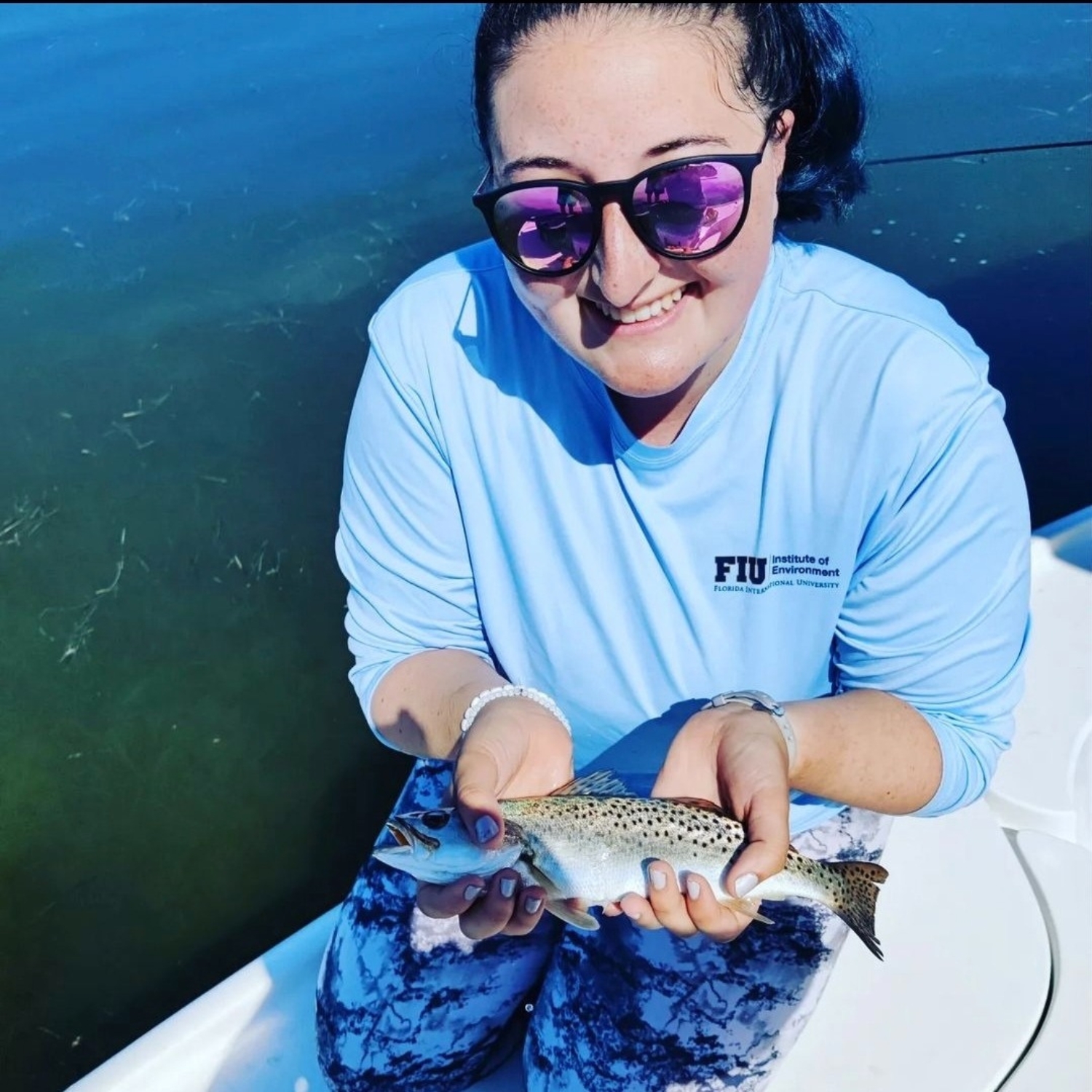
I spent my birthday sampling spotted seatrout in Florida Bay for a labmate’s dissertation research.

I spent my birthday sampling spotted seatrout in Florida Bay for a labmate’s dissertation research.

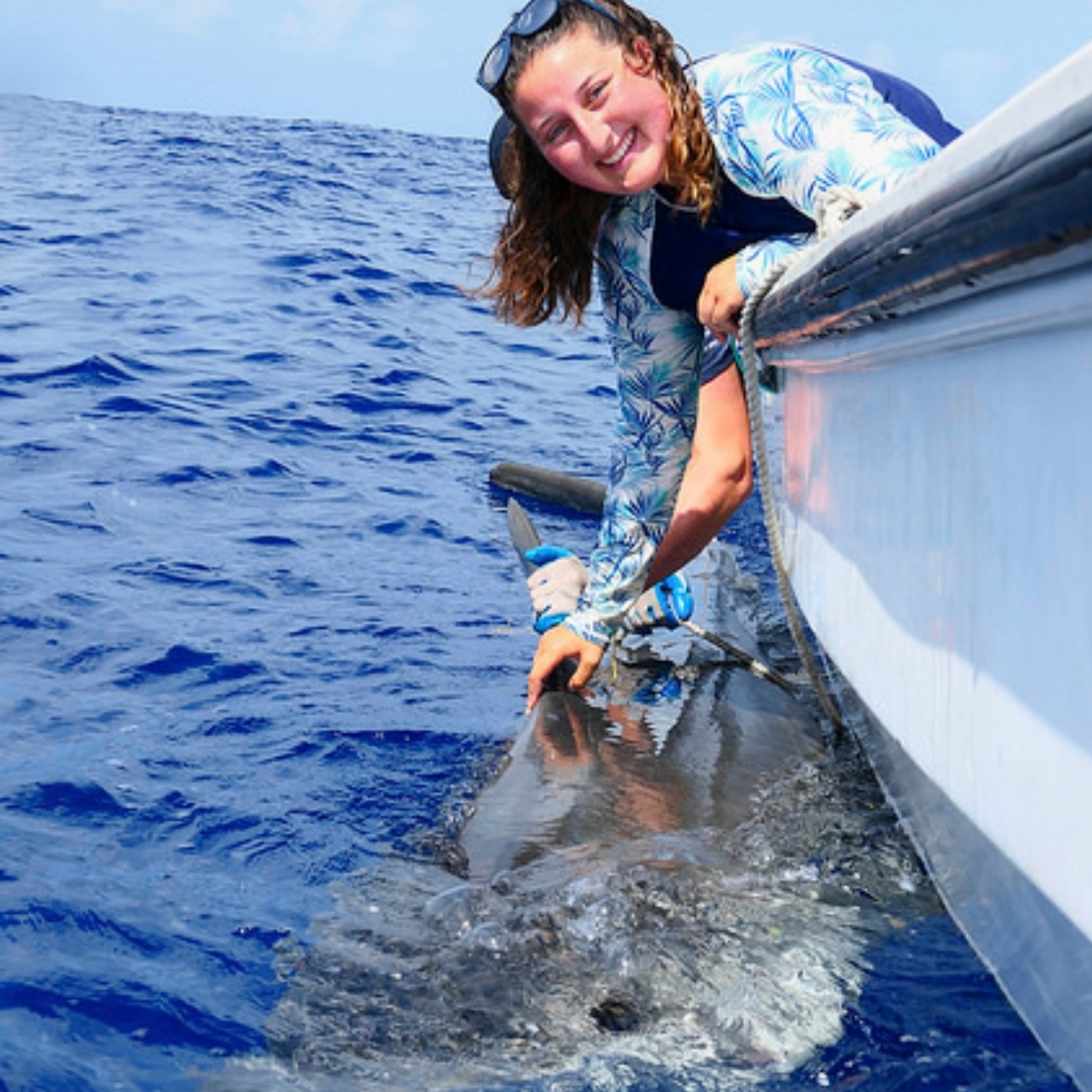
I love helping out with a tag-and-release procedure on a tiger shark during a field expedition in The Bahamas, contributing to large coastal shark movement and ecology research.

I love helping out with a tag-and-release procedure on a tiger shark during a field expedition in The Bahamas, contributing to large coastal shark movement and ecology research.

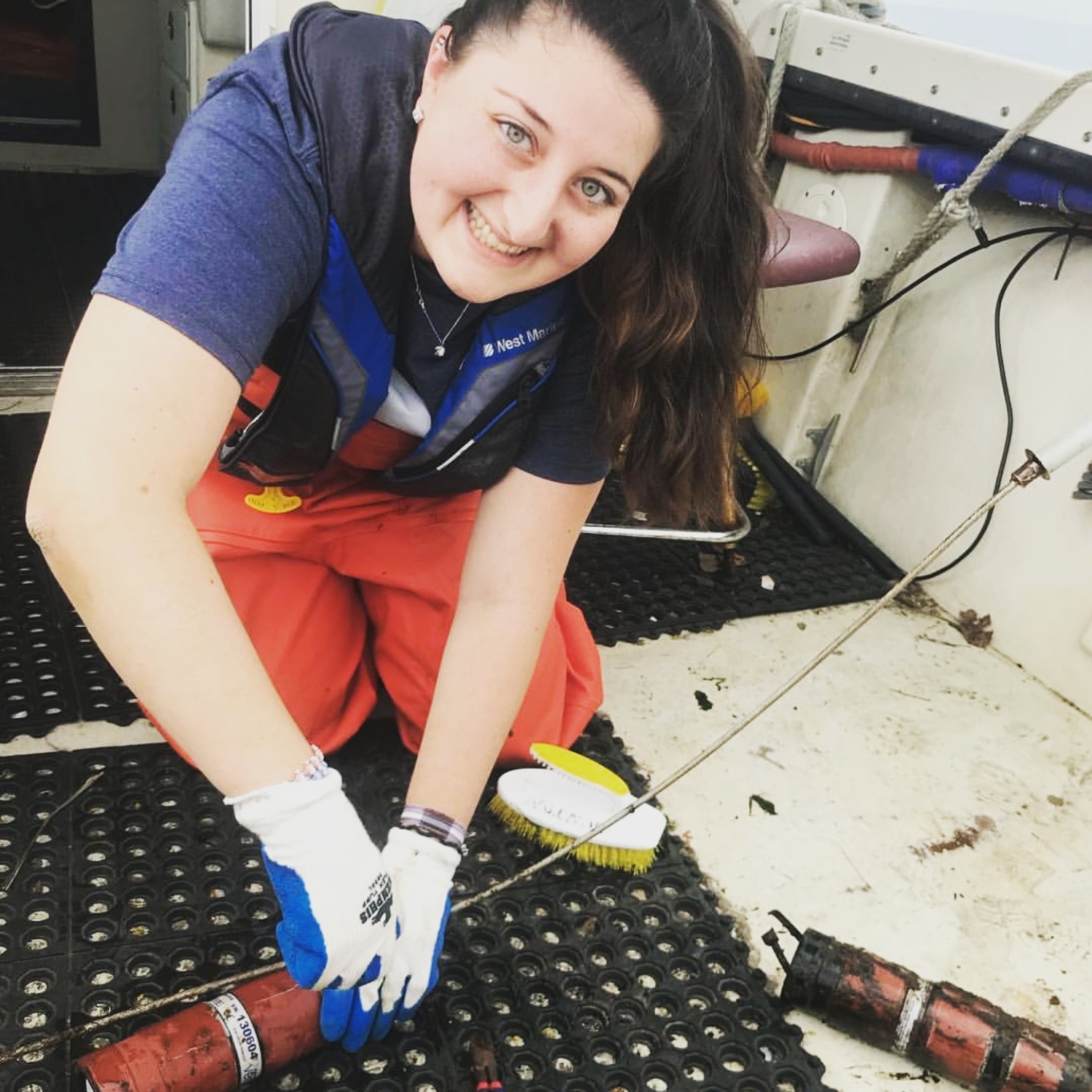
Smiling as I download acoustic receiver data as part of my undergraduate research in New Jersey, supporting coastal fish movement and tracking studies.

Smiling as I download acoustic receiver data as part of my undergraduate research in New Jersey, supporting coastal fish movement and tracking studies.

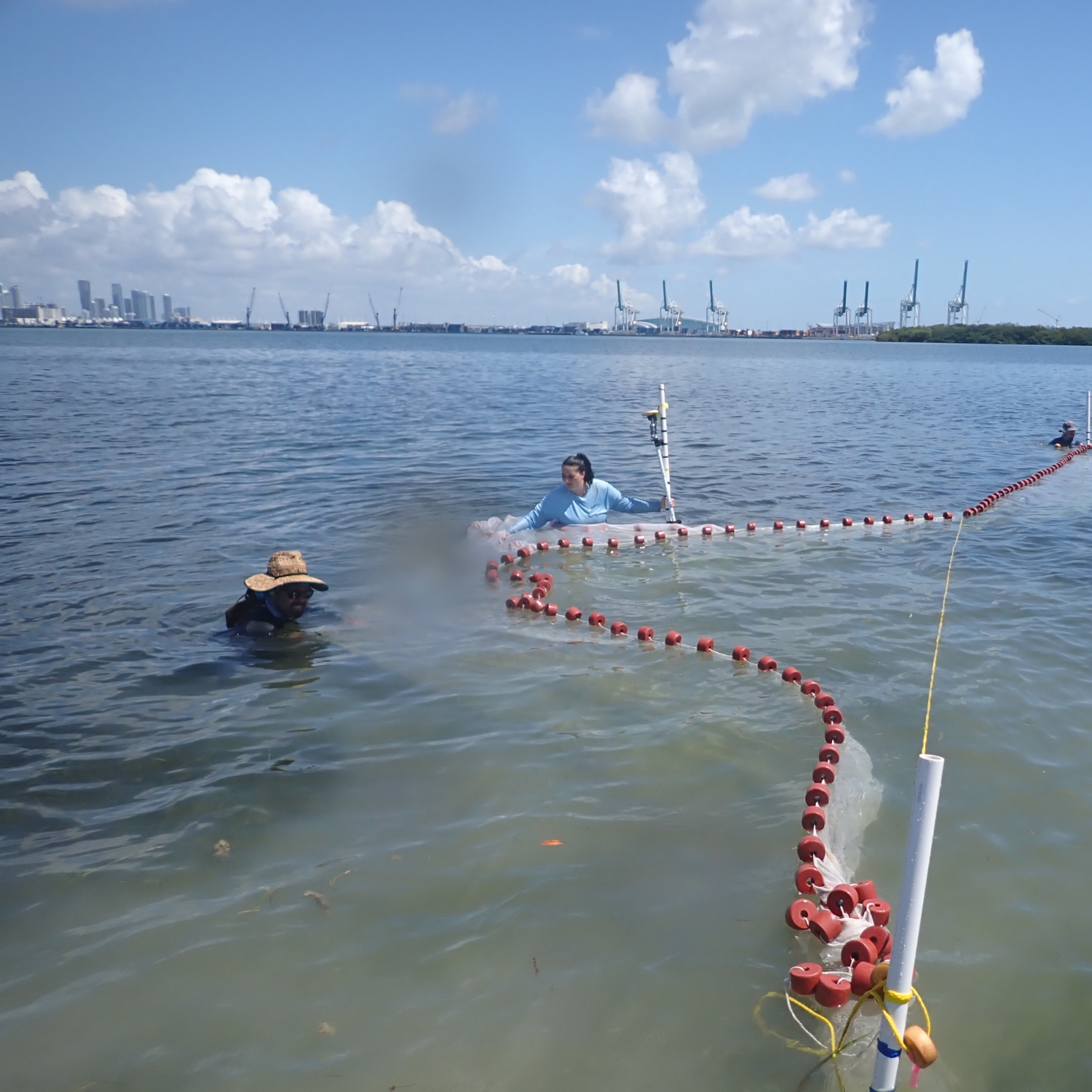
Here I am conducting nekton surveys in Biscayne Bay, Florida, as part of my dissertation research on habitat patterns, environmental gradients and trophic dynamics.

Here I am conducting nekton surveys in Biscayne Bay, Florida, as part of my dissertation research on habitat patterns, environmental gradients and trophic dynamics.

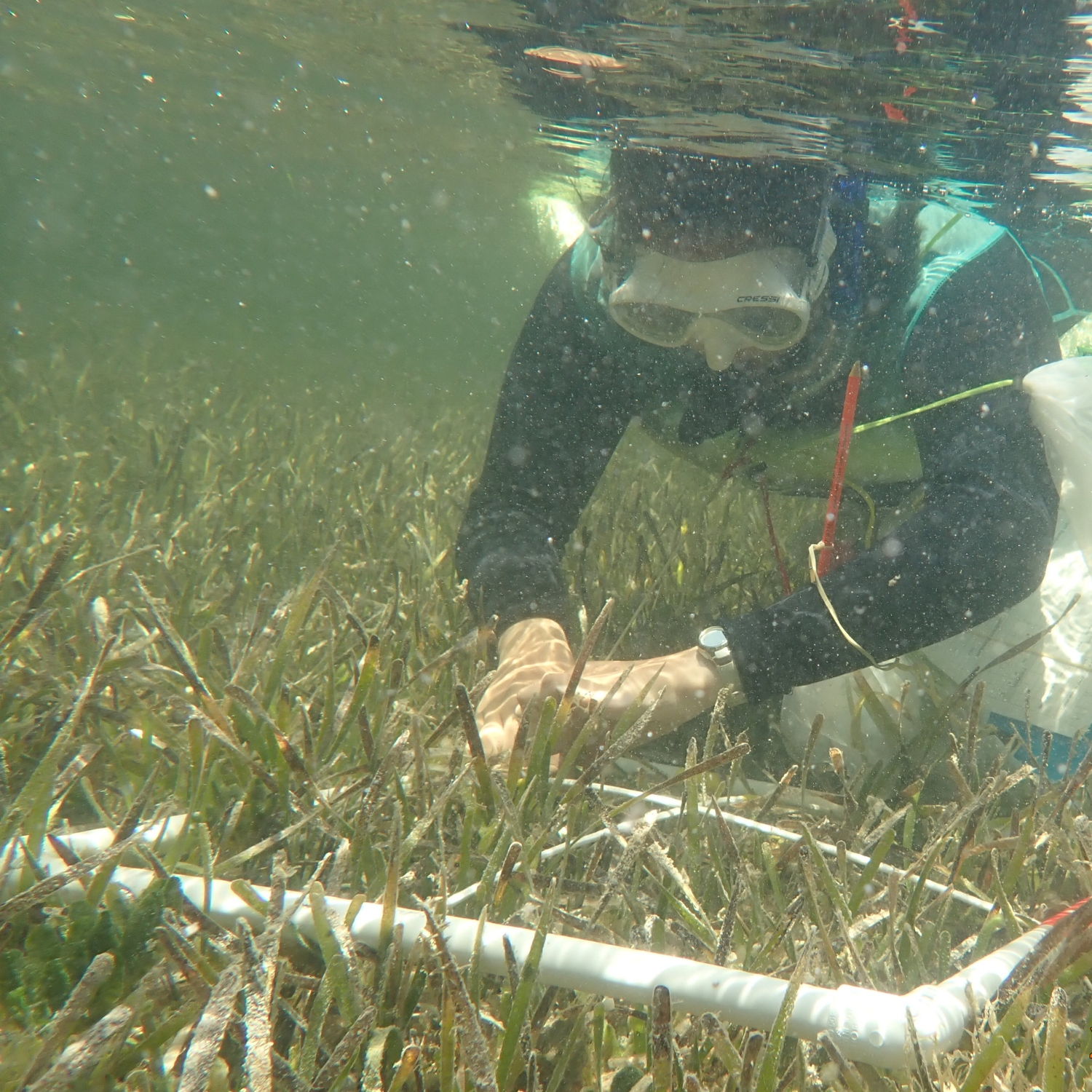
I'm performing submerged aquatic vegetation surveys in Biscayne Bay, Florida, to quantify habitat composition and structure for my dissertation analyses.

I'm performing submerged aquatic vegetation surveys in Biscayne Bay, Florida, to quantify habitat composition and structure for my dissertation analyses.

I love guiding undergraduate students through hands-on trawling activities and species identification while serving as their Marine Biology Advisor.

I love guiding undergraduate students through hands-on trawling activities and species identification while serving as their Marine Biology Advisor.

I collected submerged aquatic vegetation data in the Florida Keys as part of my dissertation’s multi-region habitat assessment.

I collected submerged aquatic vegetation data in the Florida Keys as part of my dissertation’s multi-region habitat assessment.

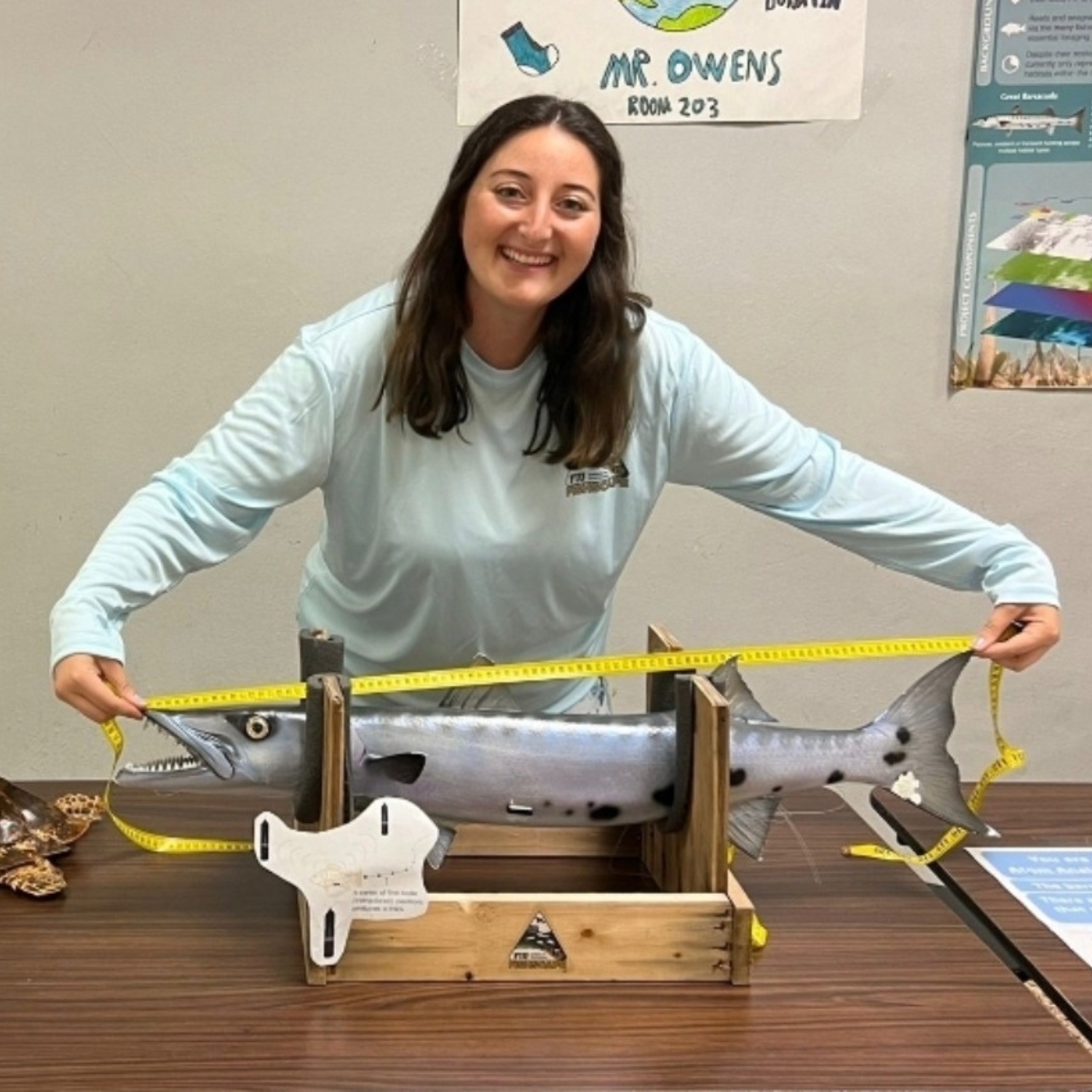
I participate in community outreach to share my research and teach the public about coastal marine ecosystems and the scientific process.

I participate in community outreach to share my research and teach the public about coastal marine ecosystems and the scientific process.

During my undergraduate years I enjoyed winter surf fishing for striped bass in New Jersey.

During my undergraduate years I enjoyed winter surf fishing for striped bass in New Jersey.

I presented my master’s research on boat noise pollution and its effects on fish hearing physiology, supported by a grant that funded this educational banner installed along a public trail on the Mississippi River.

I presented my master’s research on boat noise pollution and its effects on fish hearing physiology, supported by a grant that funded this educational banner installed along a public trail on the Mississippi River.

I spent my birthday sampling spotted seatrout in Florida Bay for a labmate’s dissertation research.I love helping out with a tag-and-release procedure on a tiger shark during a field expedition in The Bahamas, contributing to large coastal shark movement and ecology research.Smiling as I download acoustic receiver data as part of my undergraduate research in New Jersey, supporting coastal fish movement and tracking studies.Here I am conducting nekton surveys in Biscayne Bay, Florida, as part of my dissertation research on habitat patterns, environmental gradients and trophic dynamics.I'm performing submerged aquatic vegetation surveys in Biscayne Bay, Florida, to quantify habitat composition and structure for my dissertation analyses.I love guiding undergraduate students through hands-on trawling activities and species identification while serving as their Marine Biology Advisor.I collected submerged aquatic vegetation data in the Florida Keys as part of my dissertation’s multi-region habitat assessment.I participate in community outreach to share my research and teach the public about coastal marine ecosystems and the scientific process.During my undergraduate years I enjoyed winter surf fishing for striped bass in New Jersey.I presented my master’s research on boat noise pollution and its effects on fish hearing physiology, supported by a grant that funded this educational banner installed along a public trail on the Mississippi River.

Meet Gina Badlowski

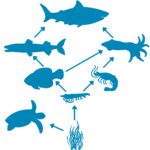
I am a Ph.D. candidate at Florida International University Santos Seascape Ecology Lab and a budding marine ecologist interested in trophic food web dynamics across seagrass-reef ecosystems. My work primarily occurs in south Florida, specifically in Biscayne Bay, Florida Bay and the Florida Keys. I use stable isotope analysis and metabarcoding tools to elucidate the energy flows and species interactions within seagrass-reef ecosystems, which provides insights into their trophic connectivity and responses to environmental changes. I received my bachelor’s degree in Marine and Environmental Biology and Policy and a minor in GIS from Monmouth University, where I first got involved in research evaluating the demographics and post-release movements of sharks captured in the recreational land-based surf fishery in the Dunton Lab. I went on to earn my master’s degree in Biological Sciences from the University of New Orleans in the Fish Morphology and Behavior Lab, where I completed my thesis entitled “Repeated boat noise exposure damages inner ear sensory hair cells and decreases hearing sensitivity in Atlantic Croaker (Micropogonias undulatus).” I love fieldwork and helping out fellow students where I can, including making maps! I also take pride in mentoring, and I am currently serving as FIU’s Marine Science Program’s Marine Biology Advisor for Undergraduates on top of mentoring multiple volunteers who help with the processing of my dissertation samples.

2022   M.S. Biological Sciences, University of New Orleans
2019   B.S. Marine and Environmental Biology and Policy, Monmouth University

Get To Know Gina

I’m originally from a small mountain town in New Jersey, but I grew up going to the beach every summer. Even though I spent so much time by the ocean, I was terrified of it as a child and honestly, I’m still a little afraid of it even now! But that fear transformed into fascination and eventually became my life’s passion. There’s something about respecting the ocean’s power while being drawn to understand it that shaped my desire to study marine ecosystems. That mix of awe and curiosity drives me to share that knowledge with others who might feel similarly disconnected from or intimidated by the ocean.

The cuttlefish, hands down! Their intelligence and camouflage abilities are absolutely incredible. They can change their color and texture in milliseconds, communicate through their skin patterns and solve complex problems. They’re like the artists and engineers of the ocean combined into one amazing creature.

My dissertation examines trophic food web dynamics across seagrass-reef ecosystems in South Florida using stable isotope analysis and metabarcoding tools. I chose to attend graduate school because I want to be a professor one day, which requires graduate studies. Specifically, I chose to study food web dynamics because I’m fascinated by how communities and ecosystems work together, not just individual organisms in isolation. I want to understand the interconnected relationships that make these systems function. Currently, I focus on food web dynamics in Biscayne Bay and the Florida Keys, identifying where resources are distributed within the landscape and tracking how mesoconsumers utilize these resources across different habitats. This resource tracking helps us understand how energy and nutrients flow through these critical ecosystems.

I want my research to inform ecosystem management and conservation strategies in South Florida’s critical marine habitats. My path included a bachelor’s in Marine and Environmental Biology and Policy with a GIS minor from Monmouth University, where I studied shark demographics in the Dunton Lab. Then I completed my master’s at the University of New Orleans, examining how boat noise affects Atlantic croaker hearing. My dream job is to become a professor at a small undergraduate-focused institution where I can combine research with teaching and mentoring.

My days vary wildly, and that’s what I love most about this work, every day is completely different! Some days I’m out in the field in Biscayne Bay or the Keys, collecting samples, deploying equipment or conducting surveys. Other days I’m behind a computer diving deep into statistical analyses using GAMs, spatial modeling or working through stable isotope data. I spend time writing and revising dissertation chapters, addressing committee feedback and preparing conference presentations. As the Marine Biology Advisor at FIU, I also get to help students navigate their academic journey, handle communications and work on program improvements. Then there are days mentoring undergraduate volunteers in the lab, teaching them techniques or collaborating with other researchers. This variety, from muddy fieldwork to complex analyses to meaningful mentoring, keeps the work fresh and exciting.

The most rewarding part is mentoring students and seeing them develop their own passion for marine science. I love the ‘aha’ moments during data analysis when patterns emerge that help explain ecosystem functioning. The biggest challenge? Being involved in so many cool projects that I always want to take on more! There are endless fascinating research questions and collaboration opportunities in marine ecology, and it’s hard to say no when every project offers a chance to learn something new about these incredible ecosystems.

Sharing research is crucial because the ocean affects everyone, whether they realize it or not. Many people, like younger me, feel disconnected from marine environments. By making science accessible, we can inspire the next generation of scientists and create informed citizens who value ocean conservation. The marine science community thrives on these connections.

I’m passionate about STEM outreach and conservation work. I participate in various outreach programs at FIU, Skype-a-Scientist, guest lectures and mentor undergraduate volunteers in our lab. Building professional relationships and giving back to the community is essential in marine science.

I love spending time with my cat Lieu, going snorkeling (research and fun blur together!), hitting trivia nights at local breweries, playing board games, reading and doing arts and crafts. These activities help me decompress from the intensity of research.

The complexity and beauty of marine ecosystems keep me inspired daily. Every research question answered reveals ten more. But what truly drives me is the potential to make a difference through both research and mentoring. Knowing that my work contributes to ecosystem conservation while helping shape future scientists keeps me going through the challenging times.

Build strong relationships with mentors and peers, the marine science community is small and supportive. Don’t be afraid if your background isn’t traditional; my
path from mountain town to marine biology shows that passion matters more than proximity to the ocean. Also, develop diverse skills – GIS, statistics, scientific communication, they all become invaluable.

Interview conducted in November 2025

Meet more ocean experts!

Read more about other marine professionals who are committed to ocean science and conservation.

Back To Top