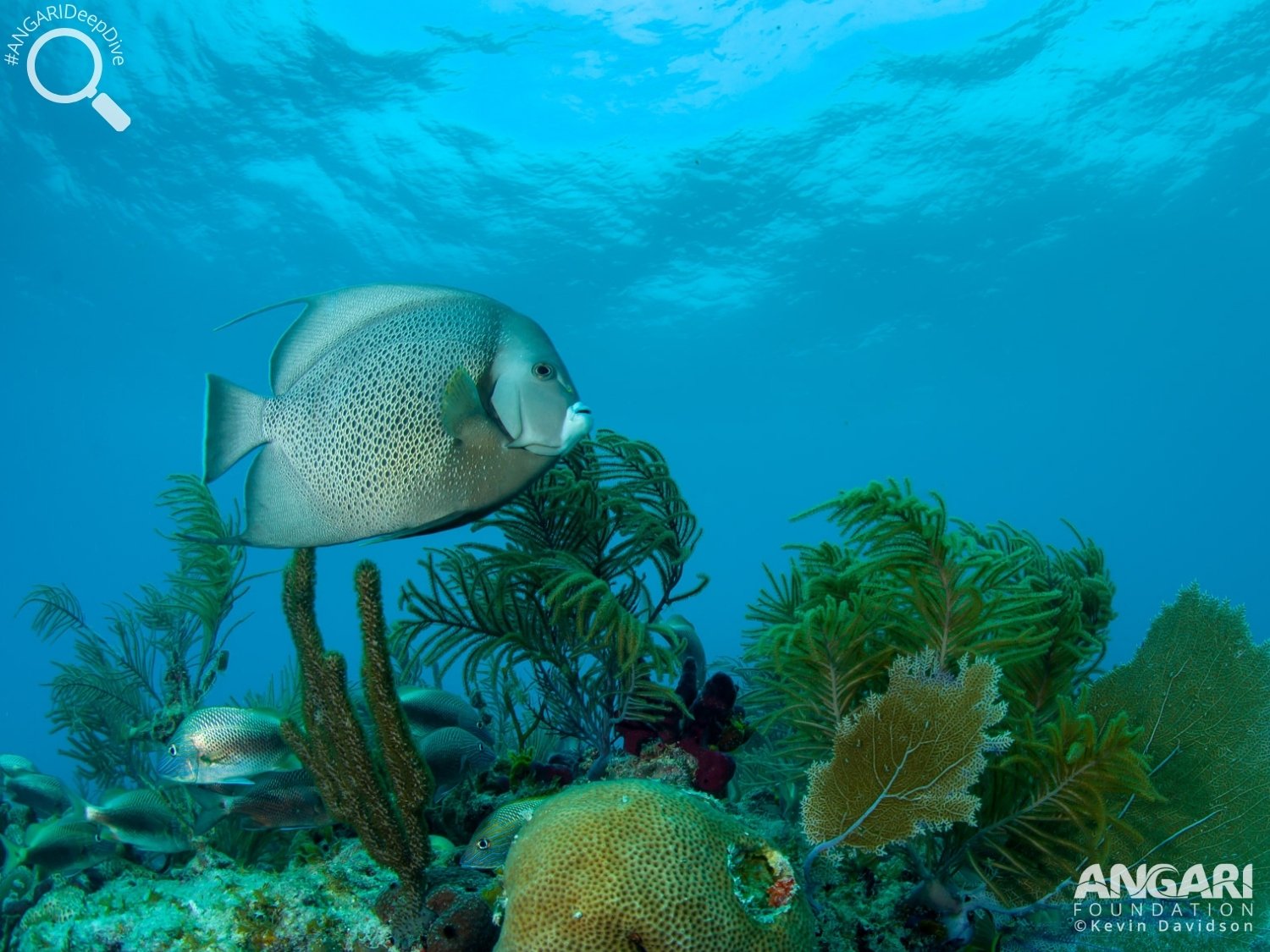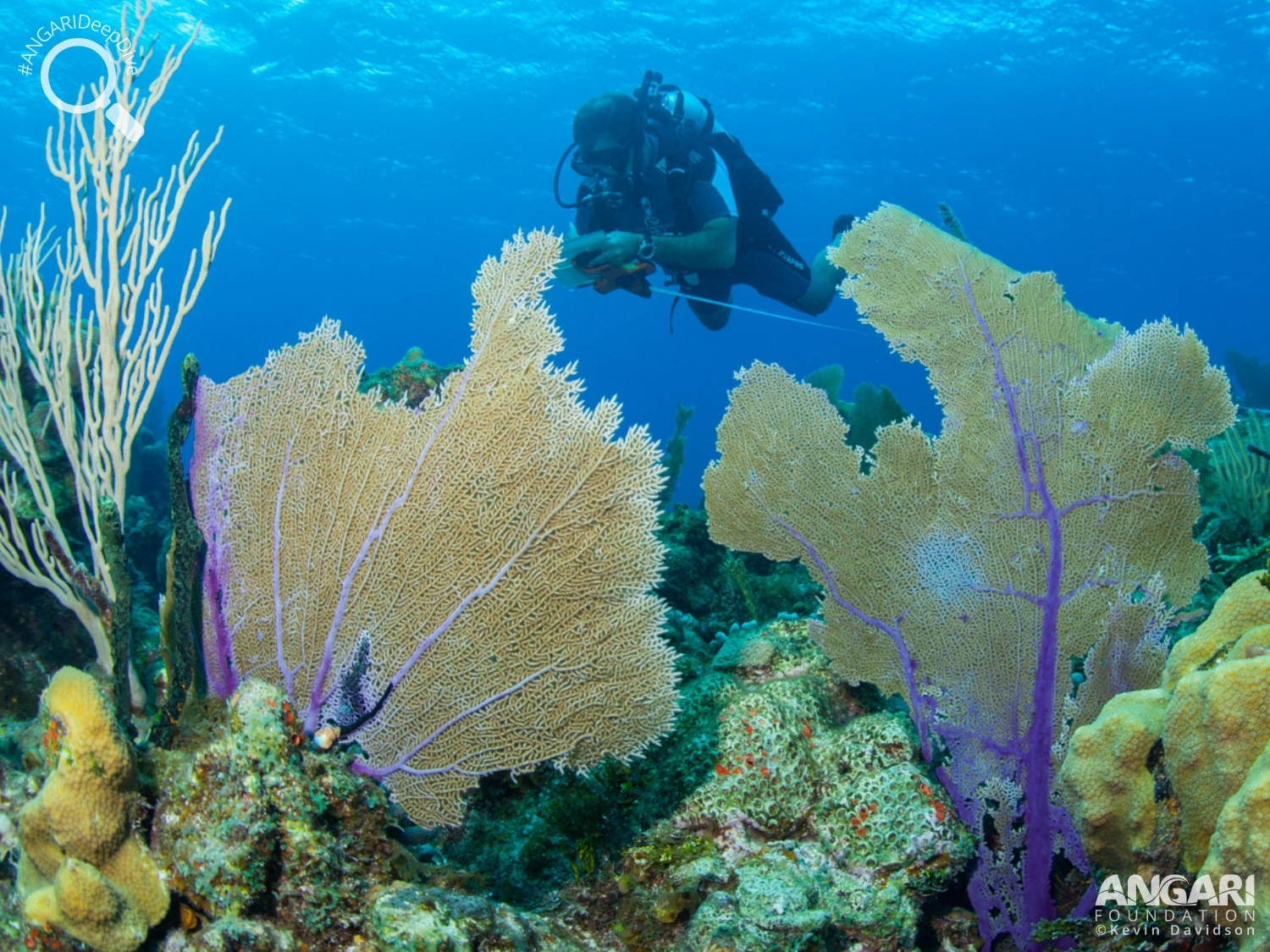
Often spotted on the ocean’s surface, by-the-wind sailors vary in color from blue to purple and rely on the wind to get around.
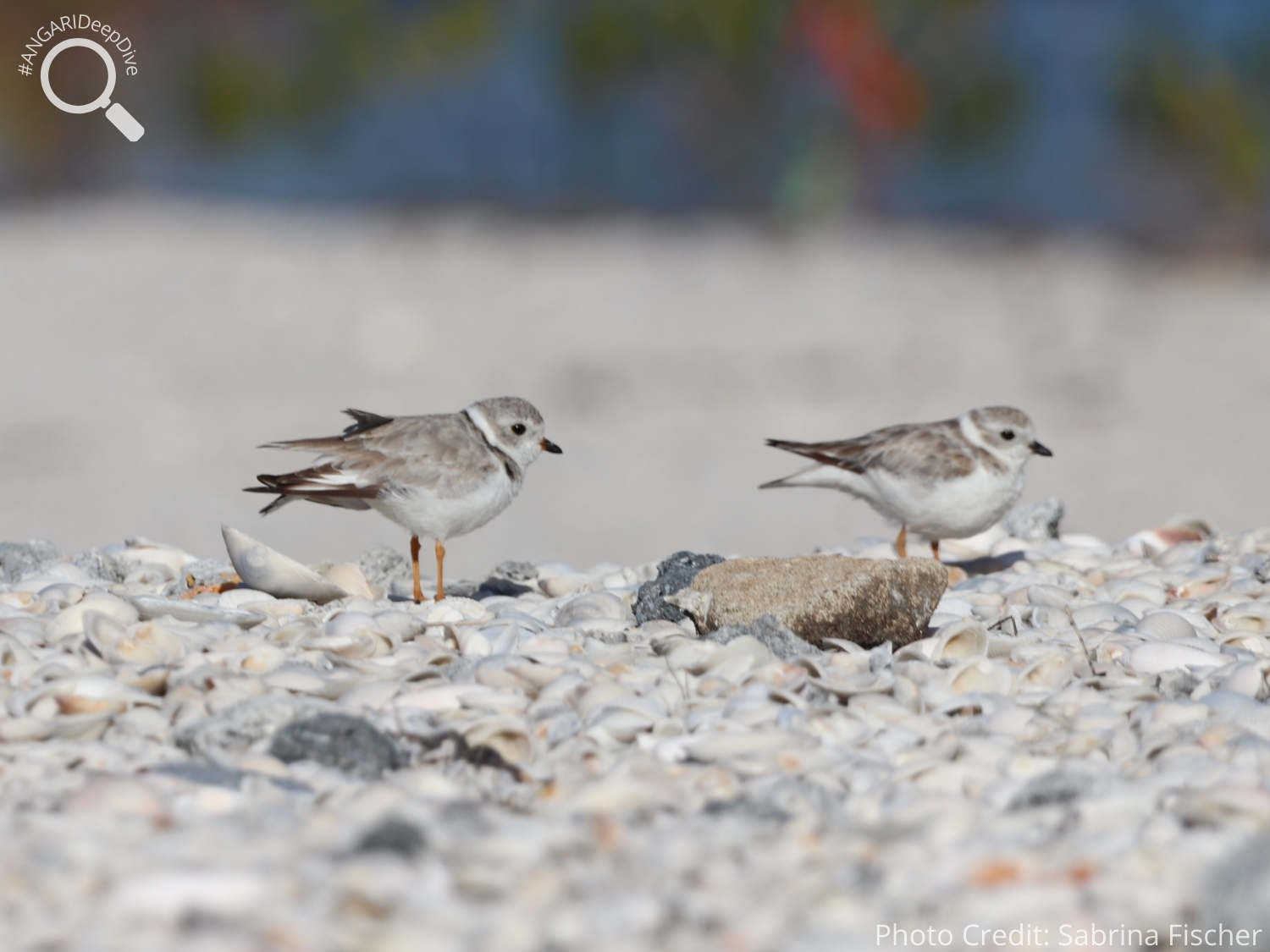
Piping Plover (Charadrius melodus)
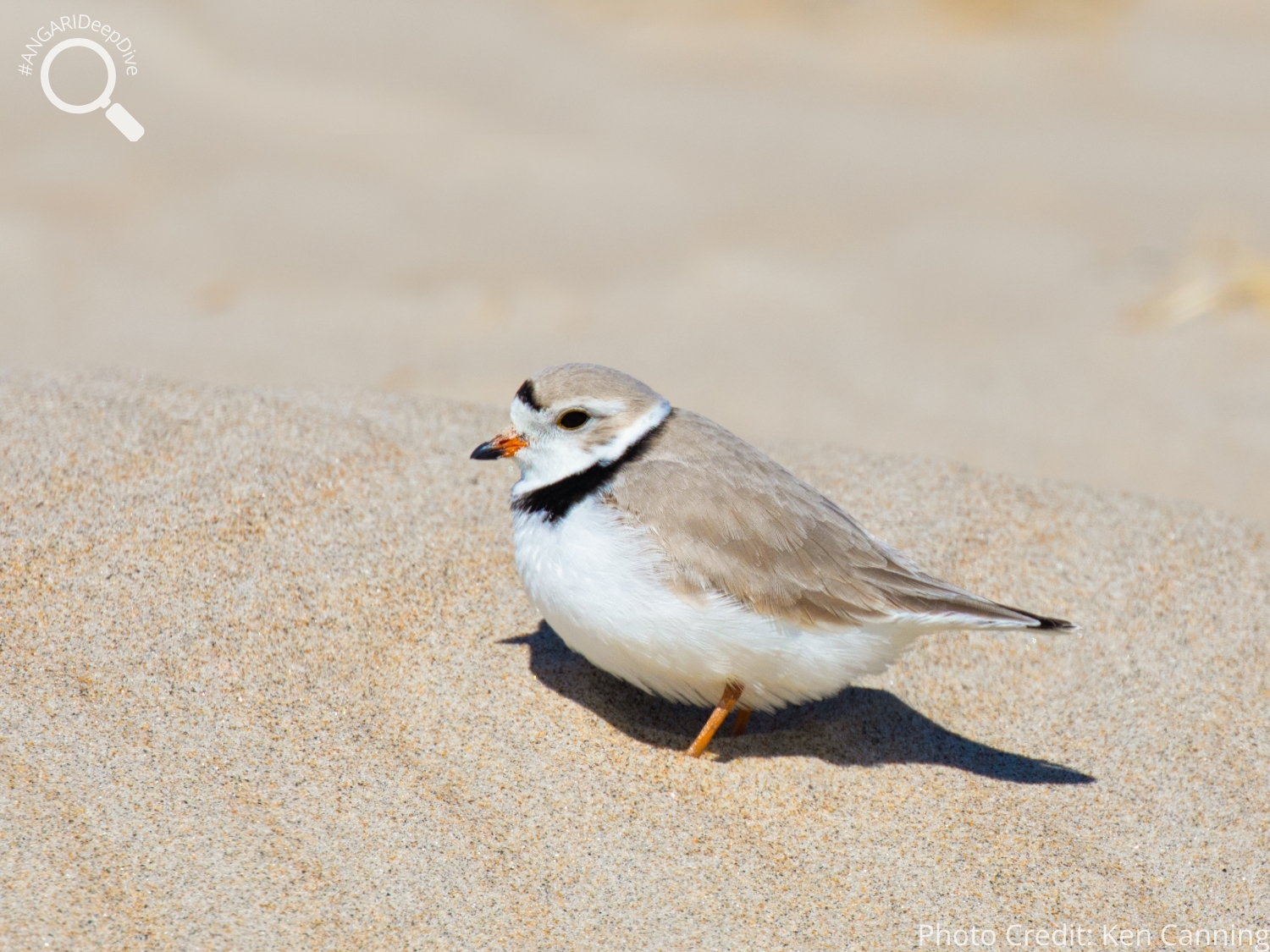
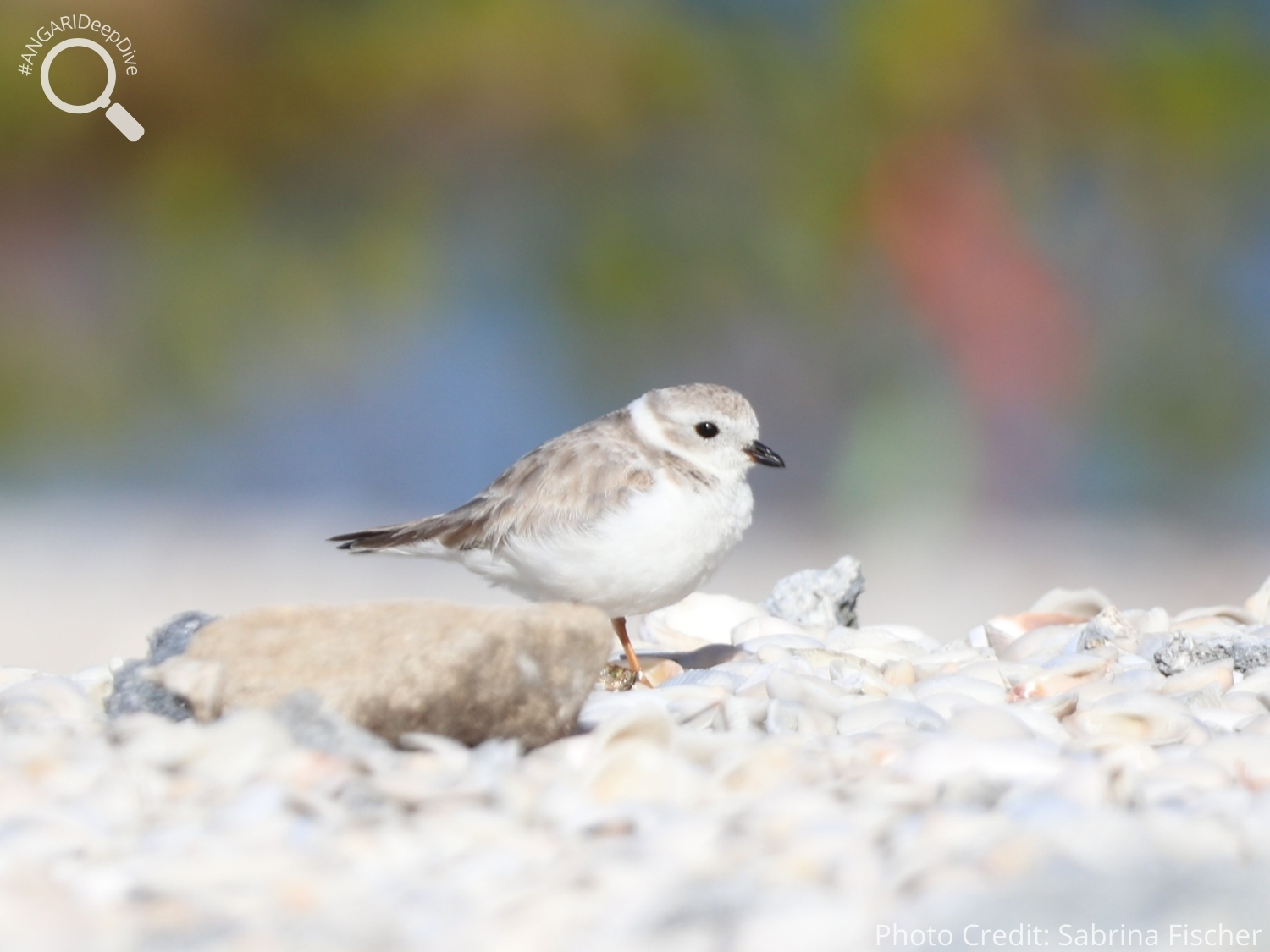
The piping plover (Charadrius melodus) is a small shorebird that weighs approximately 1.5 – 2.2 ounces. Their feathers are sand-colored on their back and white underneath, which helps these creatures blend in with their surroundings! Learn more about our feathered friend below!
#1: Piping plover habitat.
Piping plovers enjoy flat, ocean habitats so they can stretch their wings. They are commonly found on ocean beaches, mudflats and sandflats.
#2: The migration of piping plovers.
Piping plovers are migratory birds. During winter, they will migrate south along the Gulf coastline. While in the spring and summer, they can be found in the northern United States along the beaches of the Atlantic coast, shorelines of the Great Lakes and wetlands of the Great Plains.
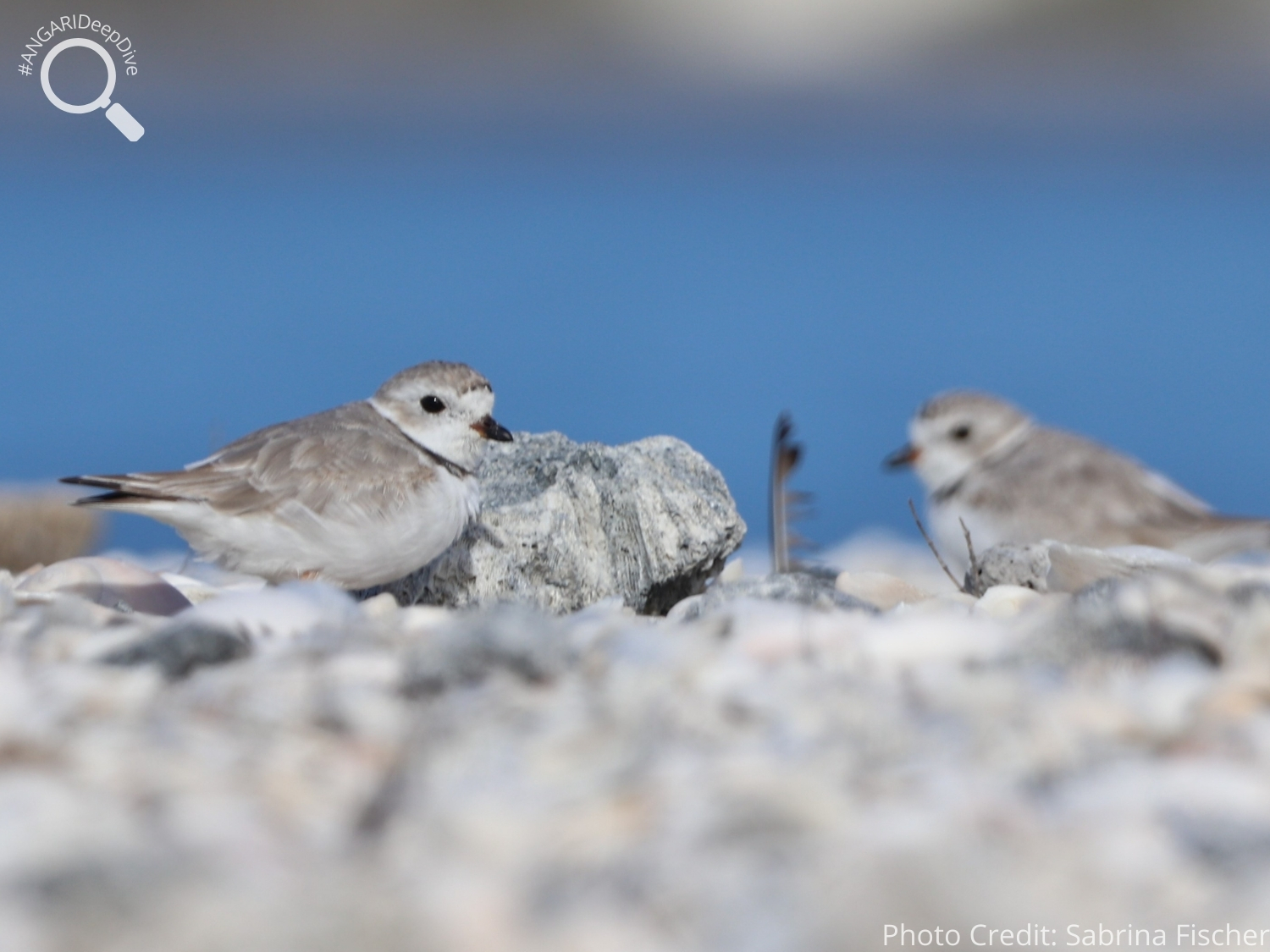
#3: What do piping plovers eat?
When piping plovers are close to shore, they may eat marine worms, small crustaceans and other insects. But when they are closer inland, they often eat beetles, water boatmen and shore flies.
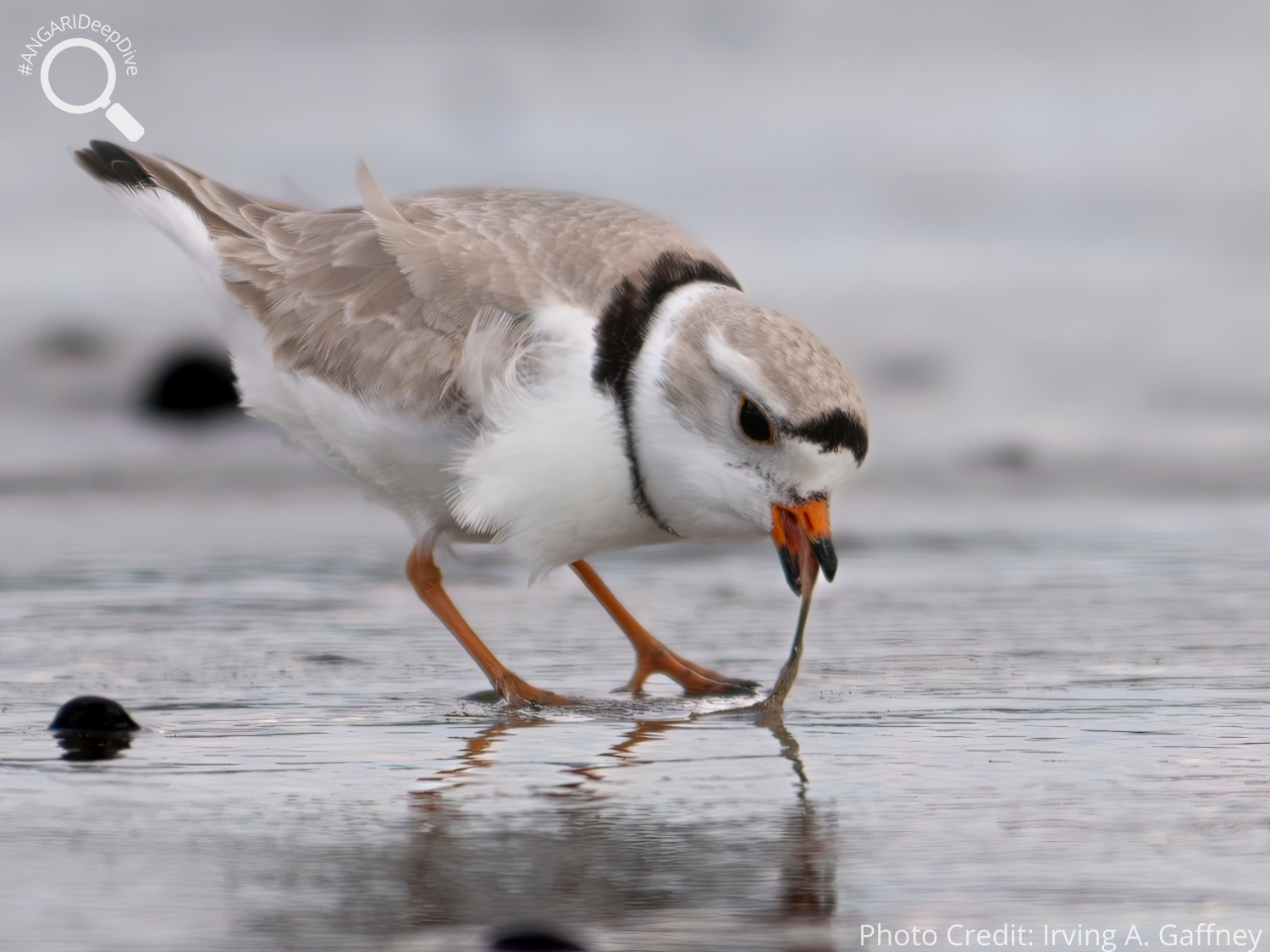
#4: How do piping plovers forage for food?
Piping plovers have been seen foraging for food either alone or in small groups close to the shoreline. These creatures have been observed using one foot to shuffle around in the sand, thereby encouraging buried critters to move!
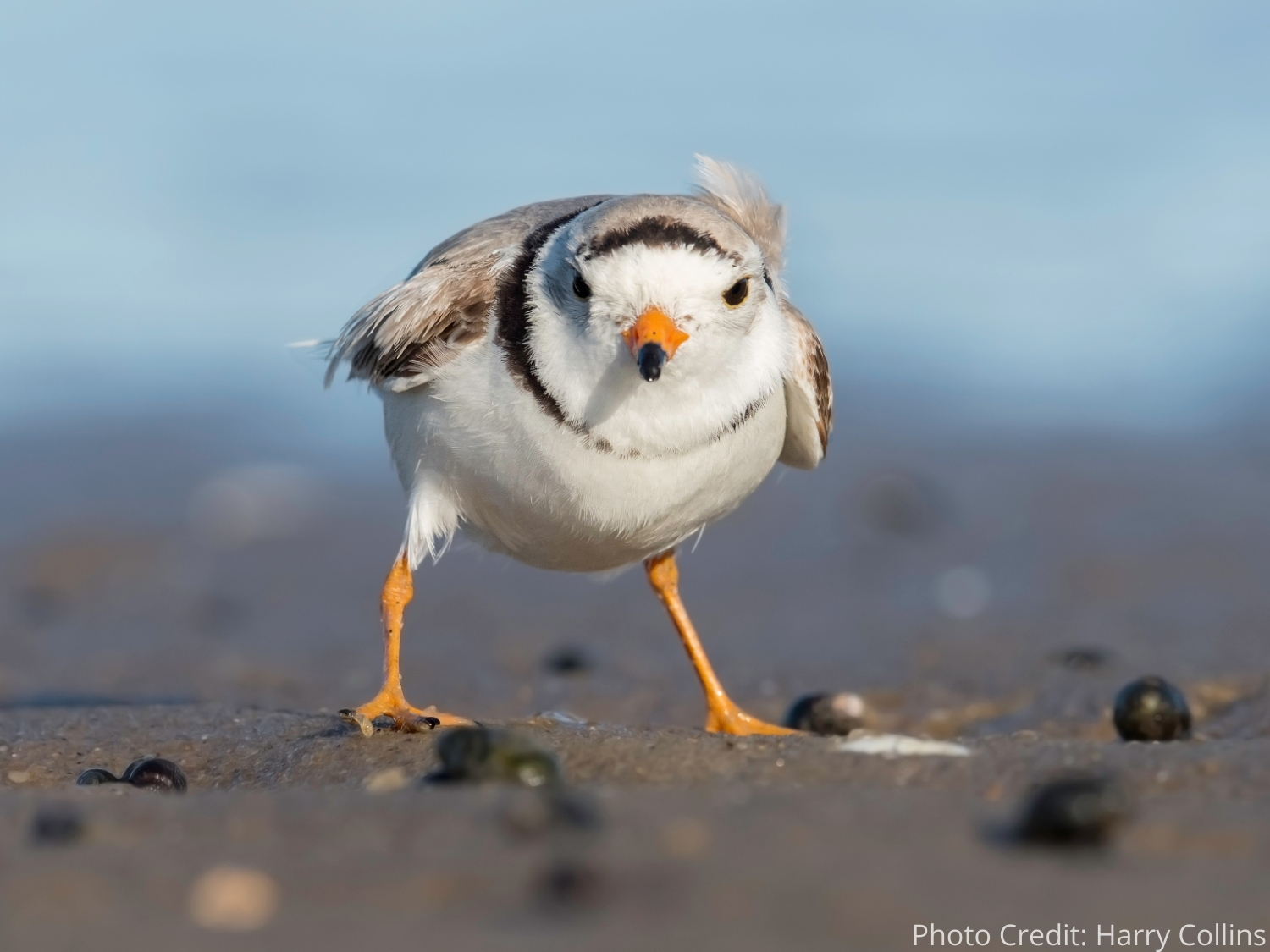
#5: Piping plovers’ nesting habits.
Piping plovers tend to build nests along the beach above the high tide line. The nest they make is a depression in the sand, created by the male piping plover. The depression is only about 4 inches wide and is lined with bits of shell.
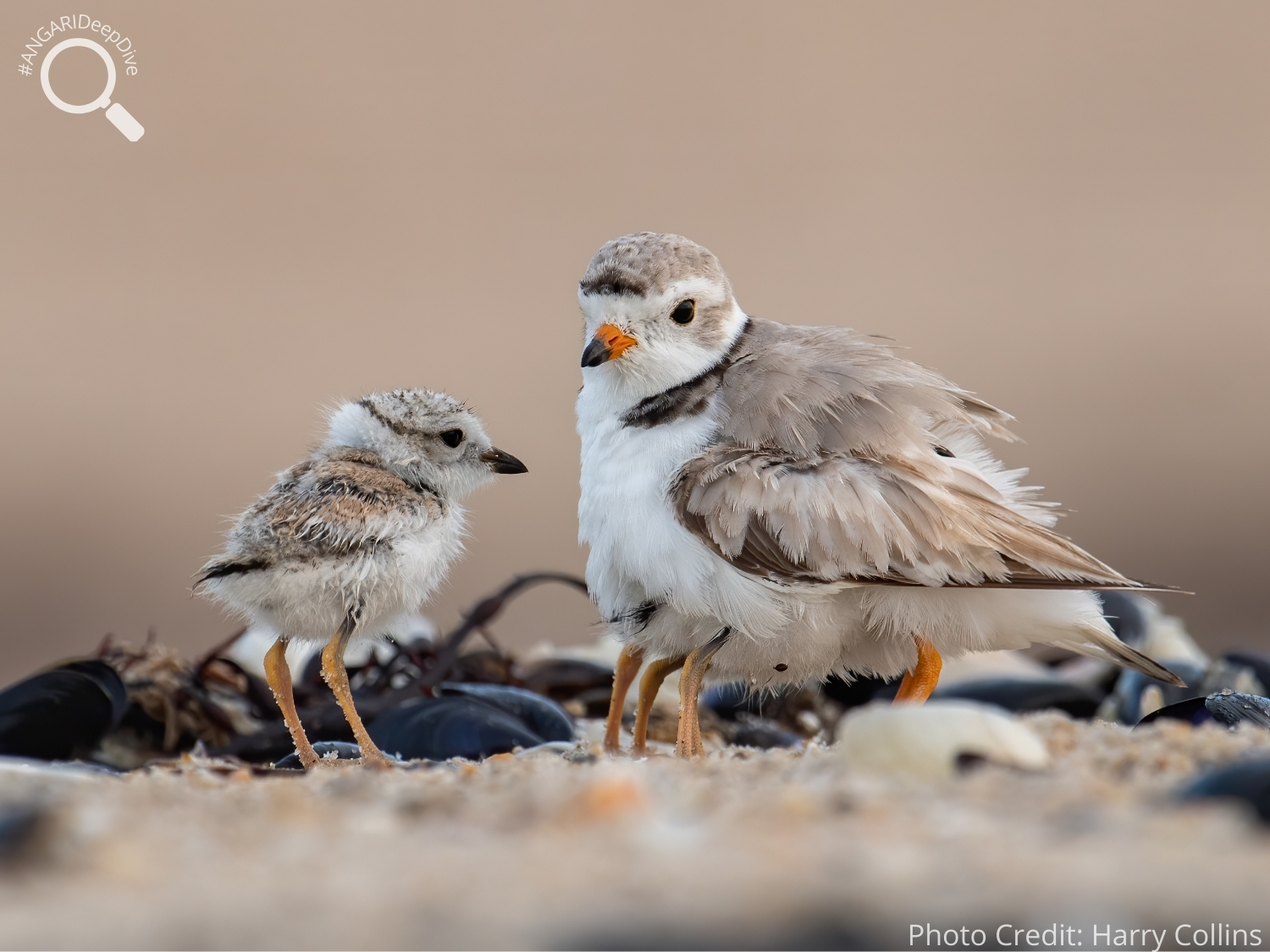
#6: Piping plovers’ incubation duties.
The male and female piping plover will take turns incubating their eggs. When switching positions, piping plovers must do so very carefully to prevent their eggs from being exposed to nearby predators.
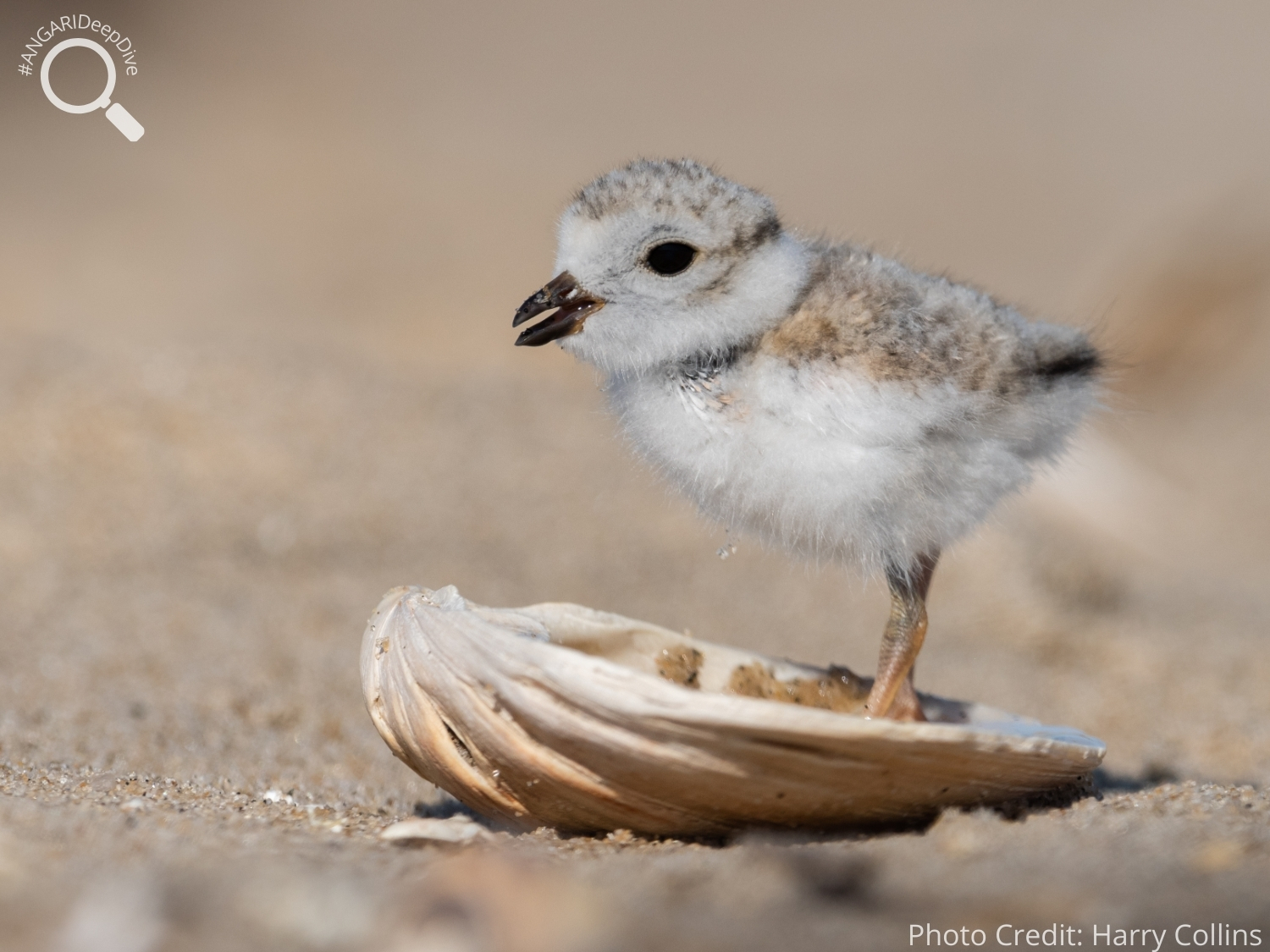
#7: Piping plovers grow up so fast!
The female piping plover lays four eggs, which hatch 25 days later. Within a few hours of hatching, the piping plover chicks will leave the nest! And within 21 to 35 days, the piping plover chicks will be able to fly.
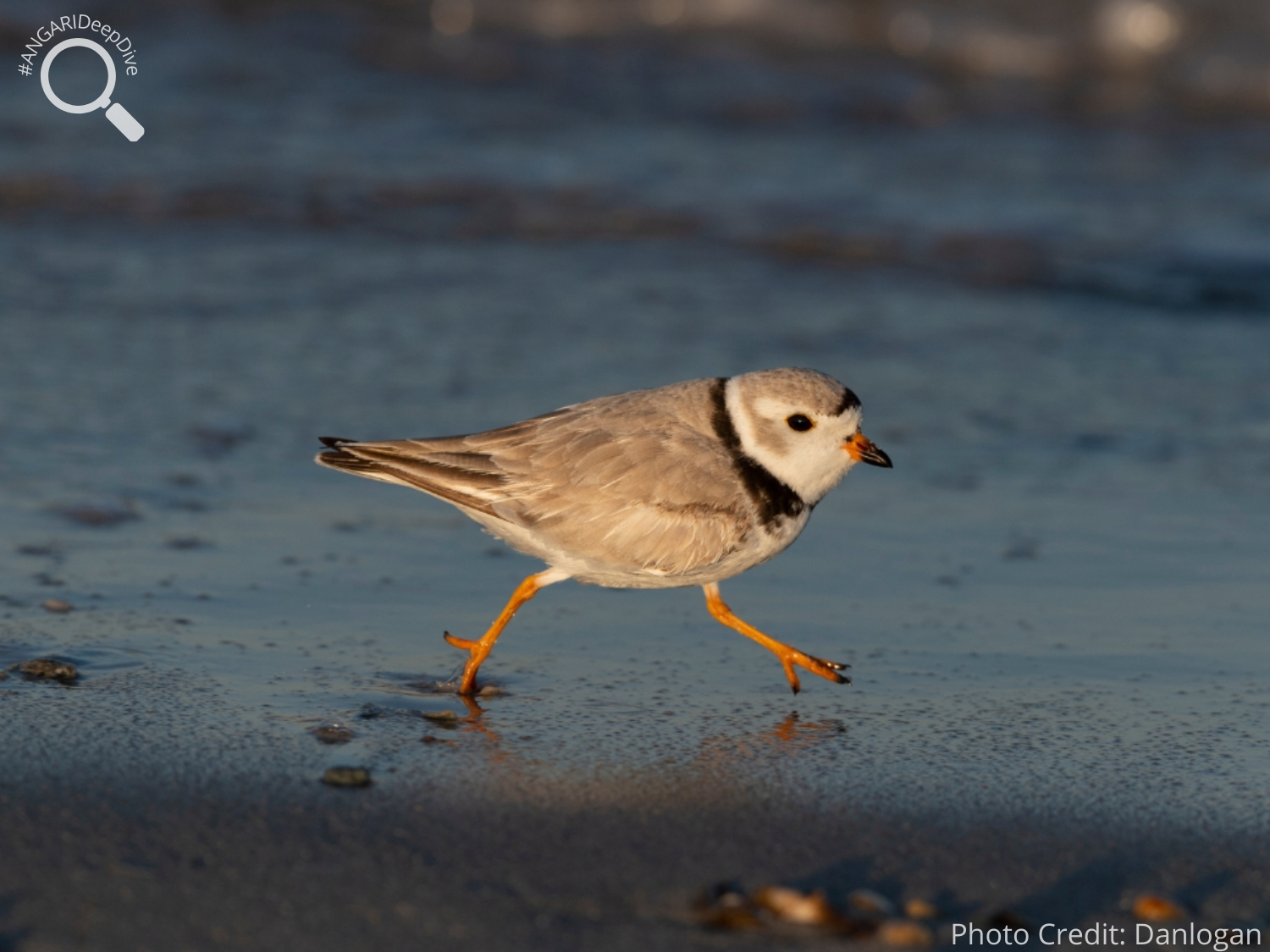
#8: Piping plovers change colors throughout the seasons.
In the summer, piping plovers have orange legs and bills with a black tip. However, in winter, piping plovers lose their breast bands, and their legs fade from orange to a pale yellow; their bills become mostly black.
#9: The lifespan of a piping plover.
Piping plovers have been documented to live as long as 11 years! However, the average lifespan for most piping plovers is only five to six years.
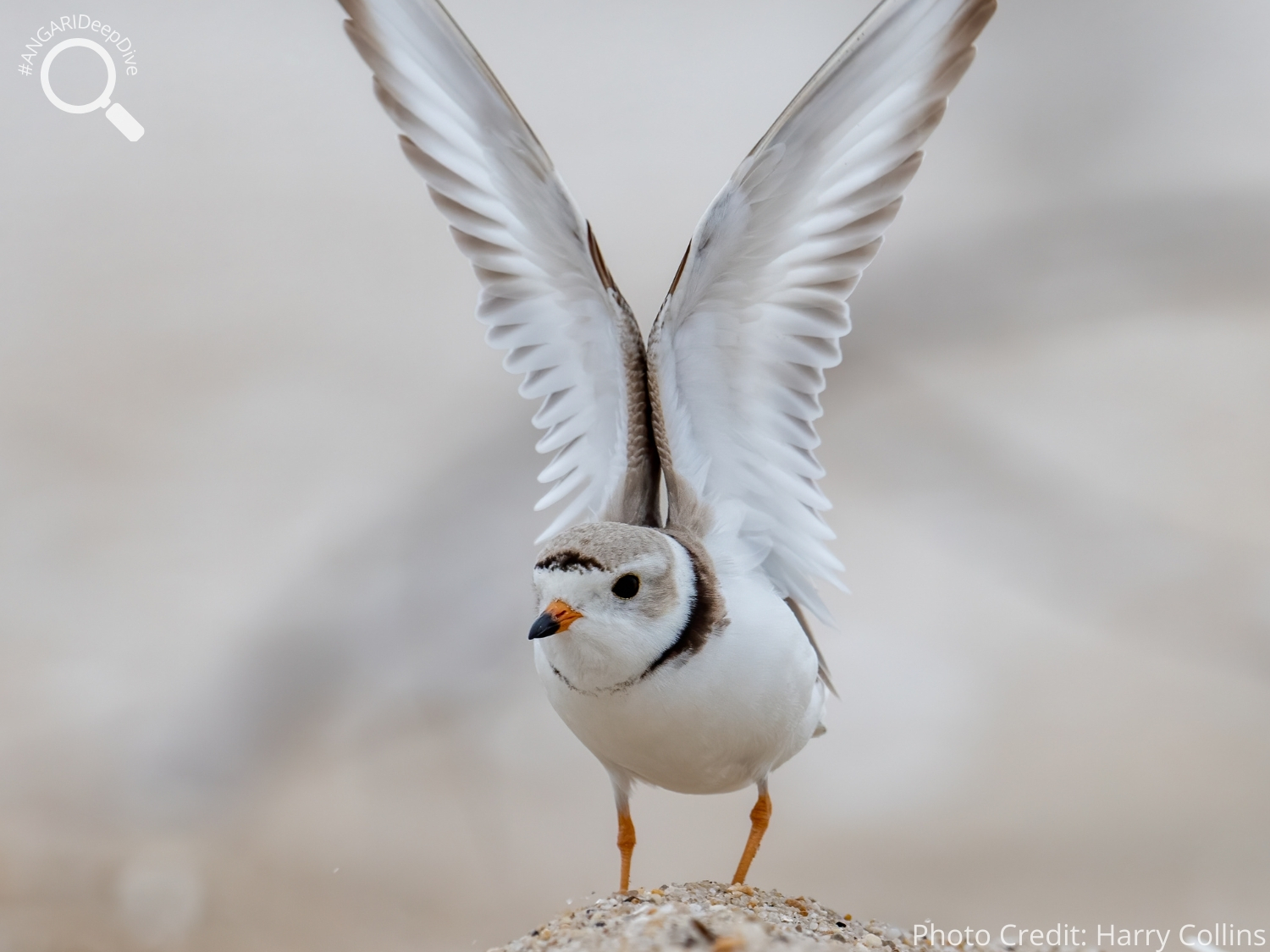
Piping plovers are regionally threatened or endangered due to habitat loss and nest disturbances. The best way to help the piping plover and other endangered species is to learn more about them and to respect measures put in place to protect them. If you see a piping plover sign on a beach, it is important to follow the sign to protect piping plover nests and hatched chicks!
Additional Piping Plover Resources:
1. Piping Plover – U.S. Fish & Wildlife Service
2. Signs of Spring: Four things you didn’t know about piping plover fencing – U.S. Fish & Wildlife Service Northeast Region
3. Piping Plover (Charadrius melodus) – Florida Fish and Wildlife Conservation Commission

Related Posts