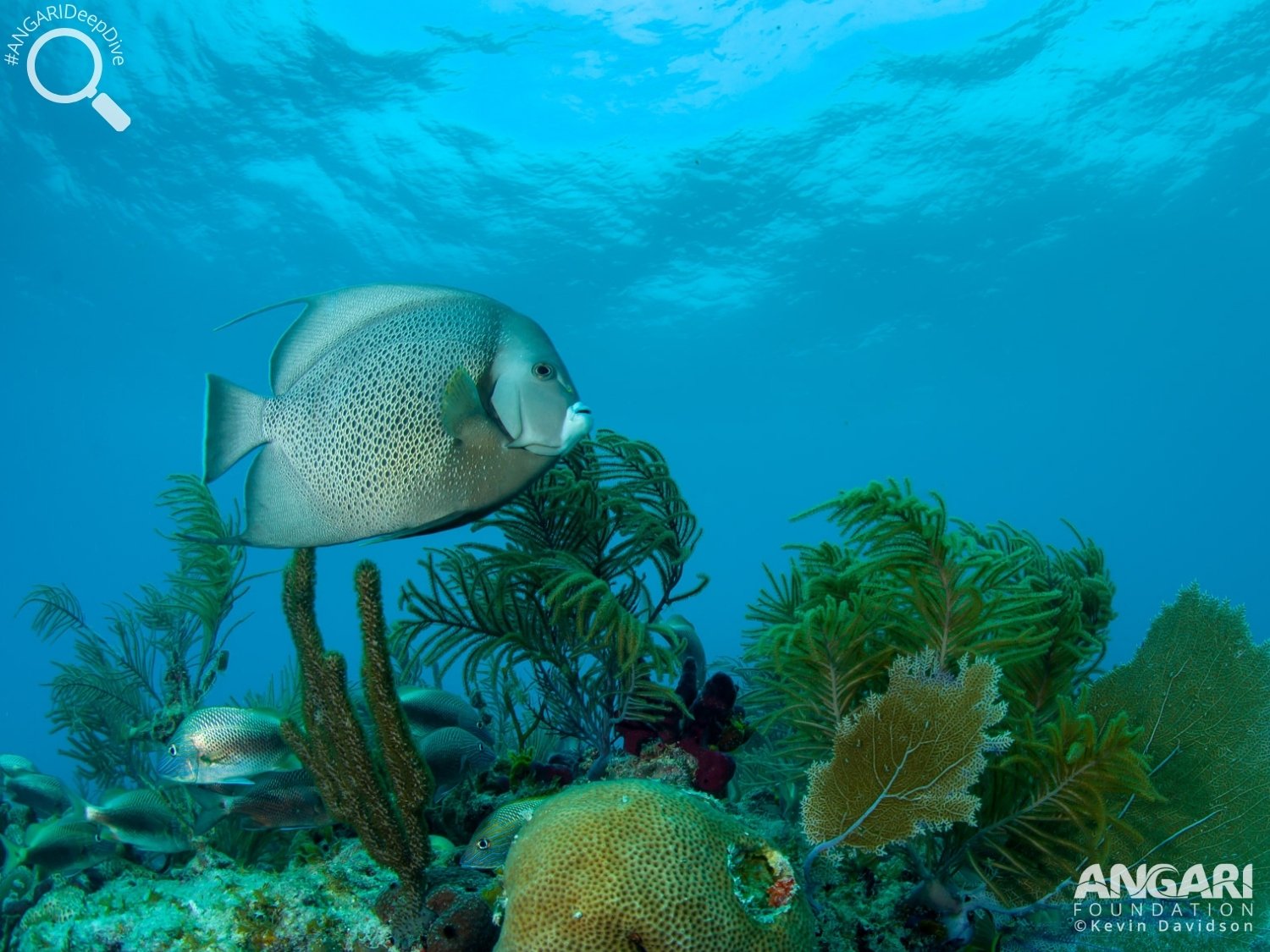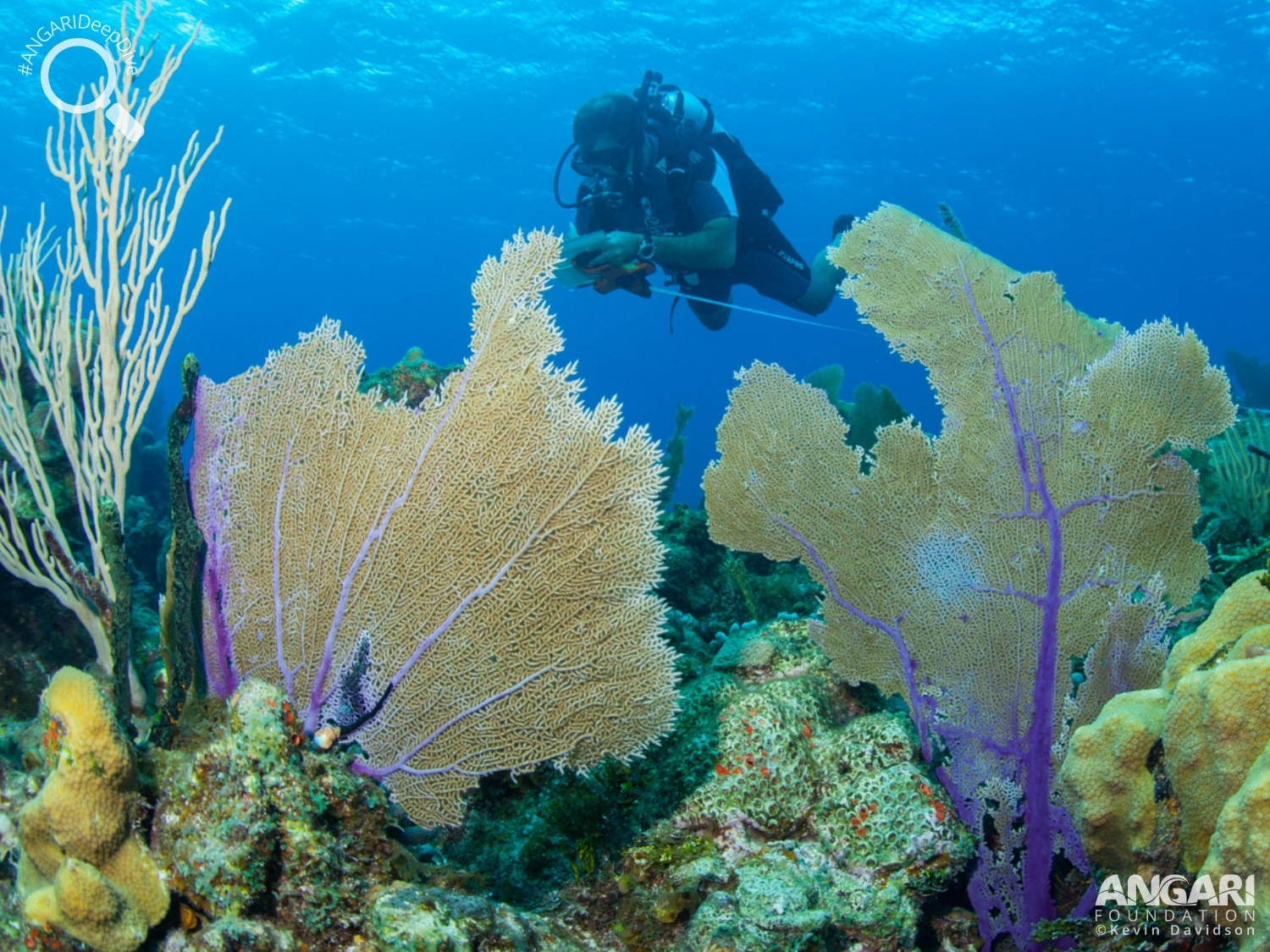
Often spotted on the ocean’s surface, by-the-wind sailors vary in color from blue to purple and rely on the wind to get around.
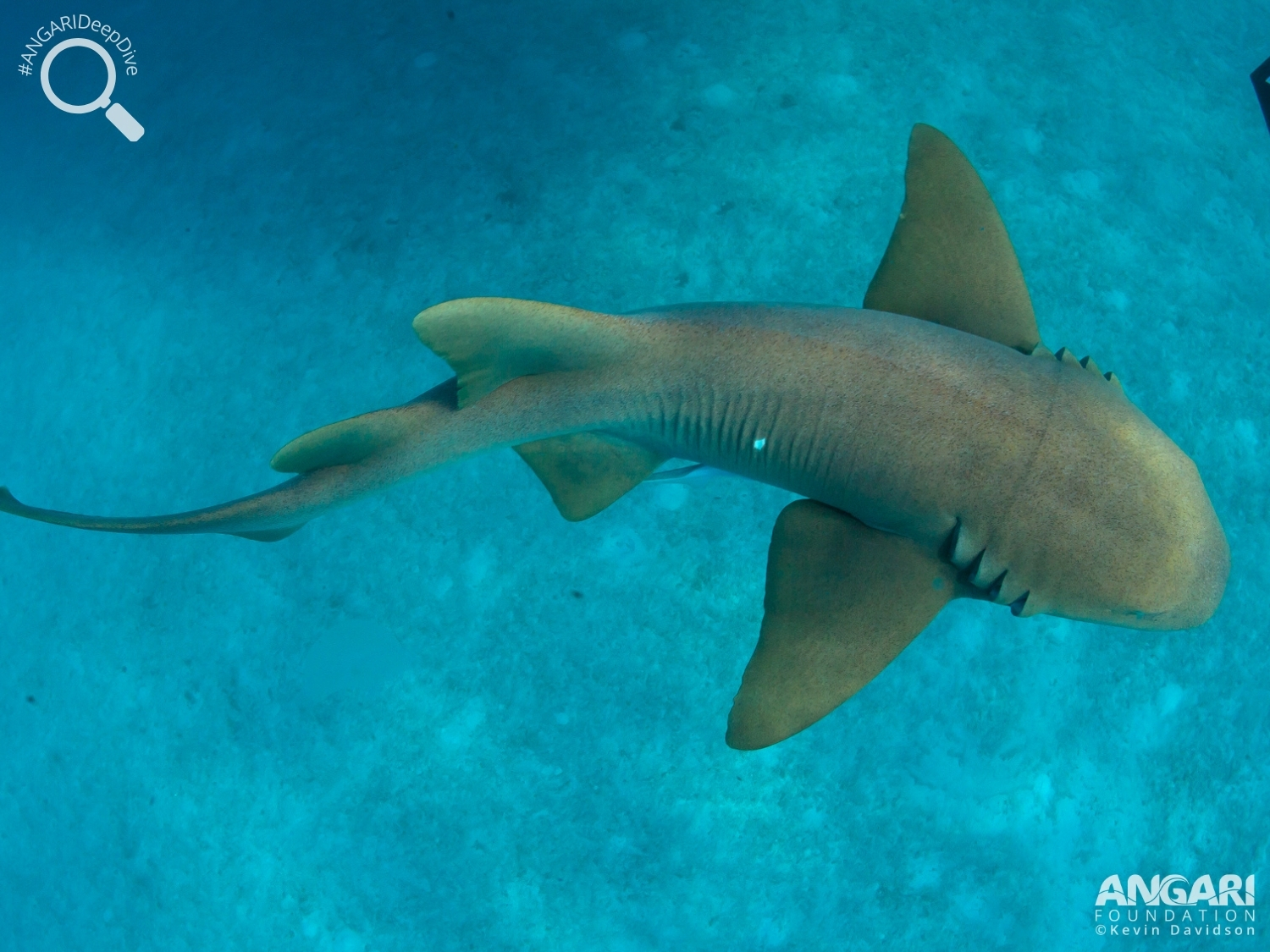
Nurse Shark (Ginglymostoma cirratum)
The Atlantic nurse shark (Ginglymostoma cirratum) are shallow-water, warm-water, bottom-dwelling elasmobranchs. They can grow up to 14 feet long and live up to 25 years! Keep reading to discover more facts about this fabulous shark.
#1: Atlantic nurse sharks feel like sandpaper.
Atlantic nurse sharks vary in color from grey to brown. Additionally, their skin feels like sandpaper, as it is composed of dermal denticles. Dermal denticles allow these sharks to swim efficiently while also providing protection.
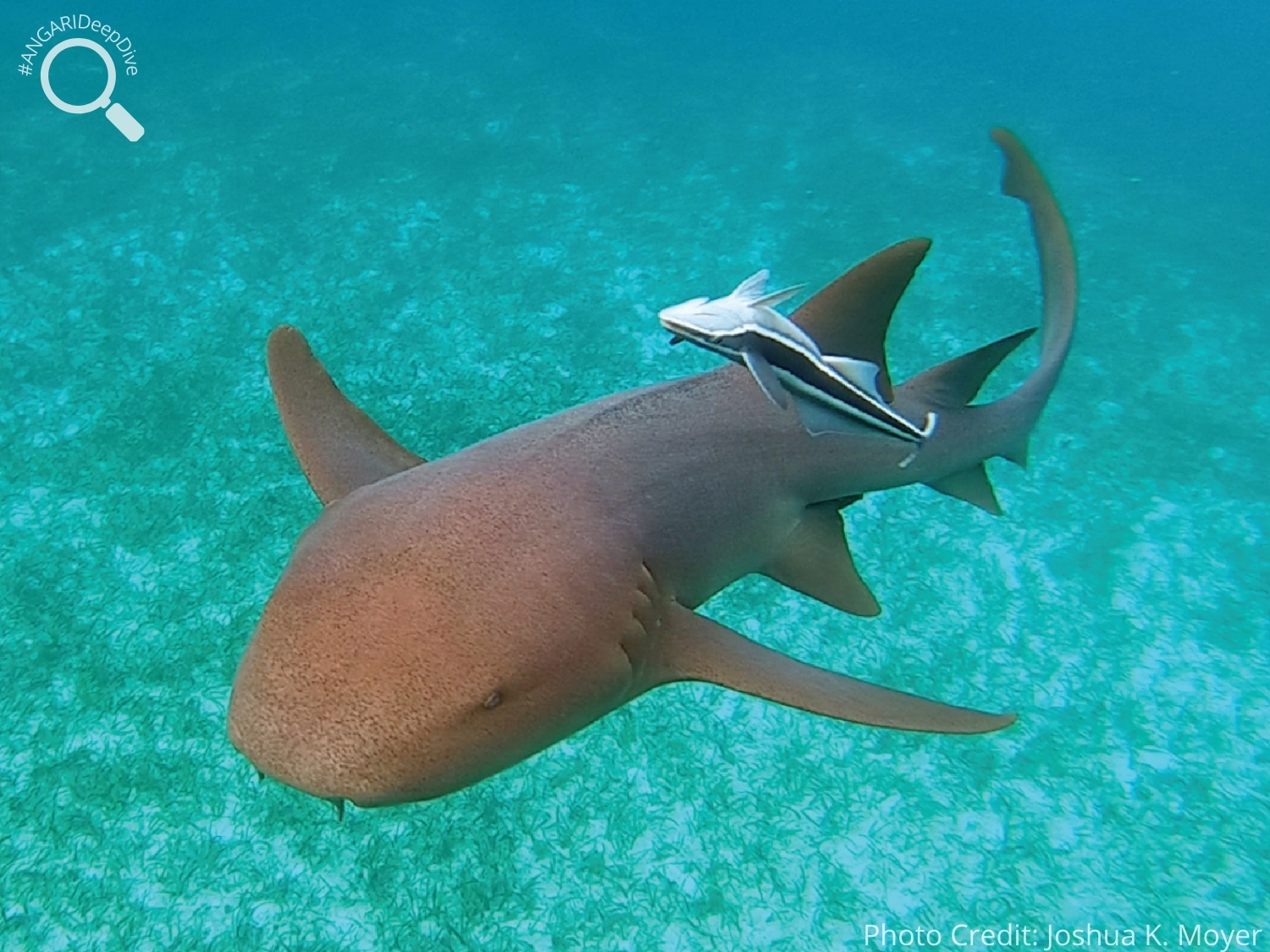
#2: The anatomy of Atlantic nurse sharks.
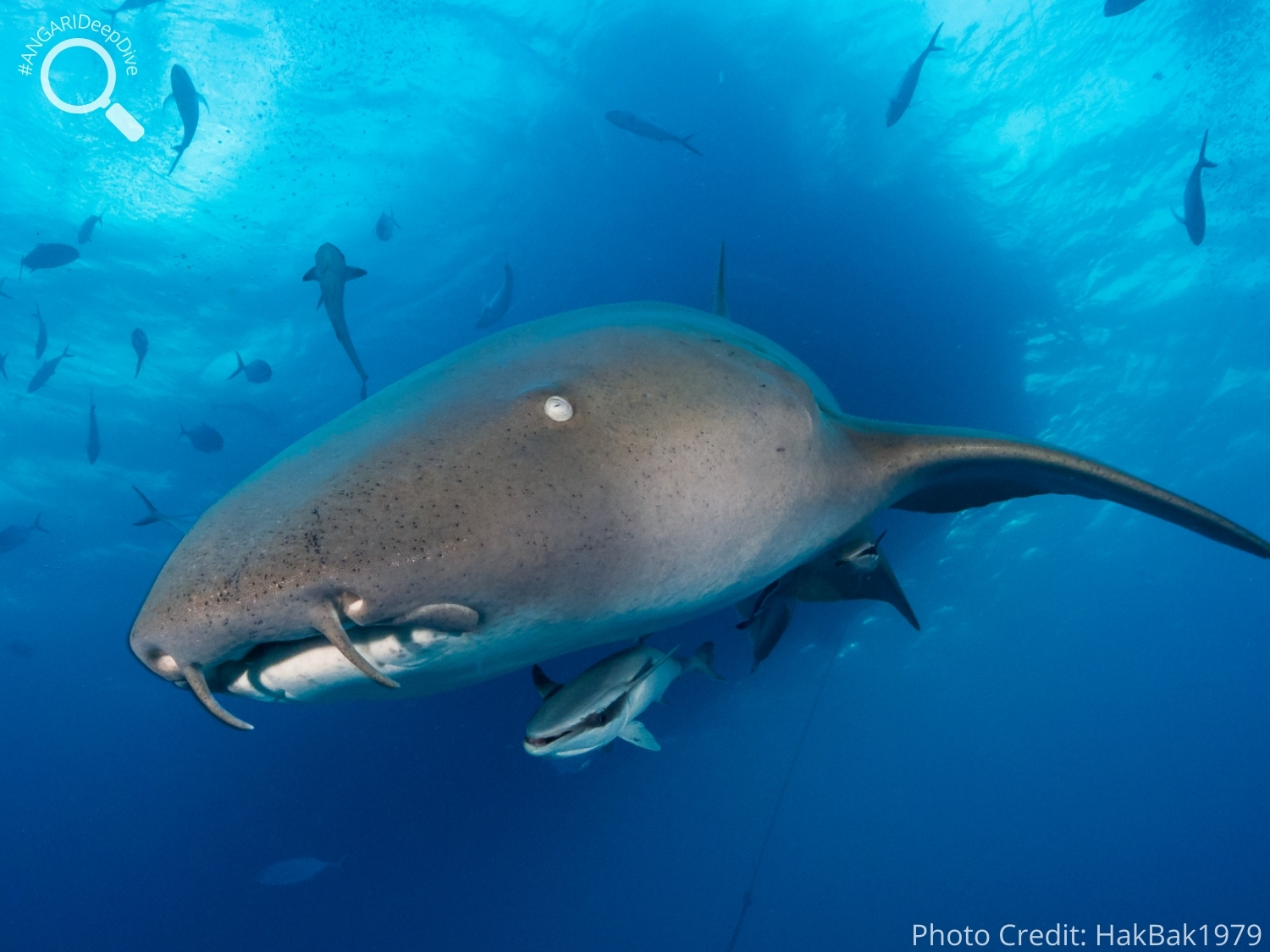
Atlantic nurse sharks have a broad head, a small mouth and very prominent barbels! Atlantic nurse sharks also have tails that can be up to ¼ of their body length.
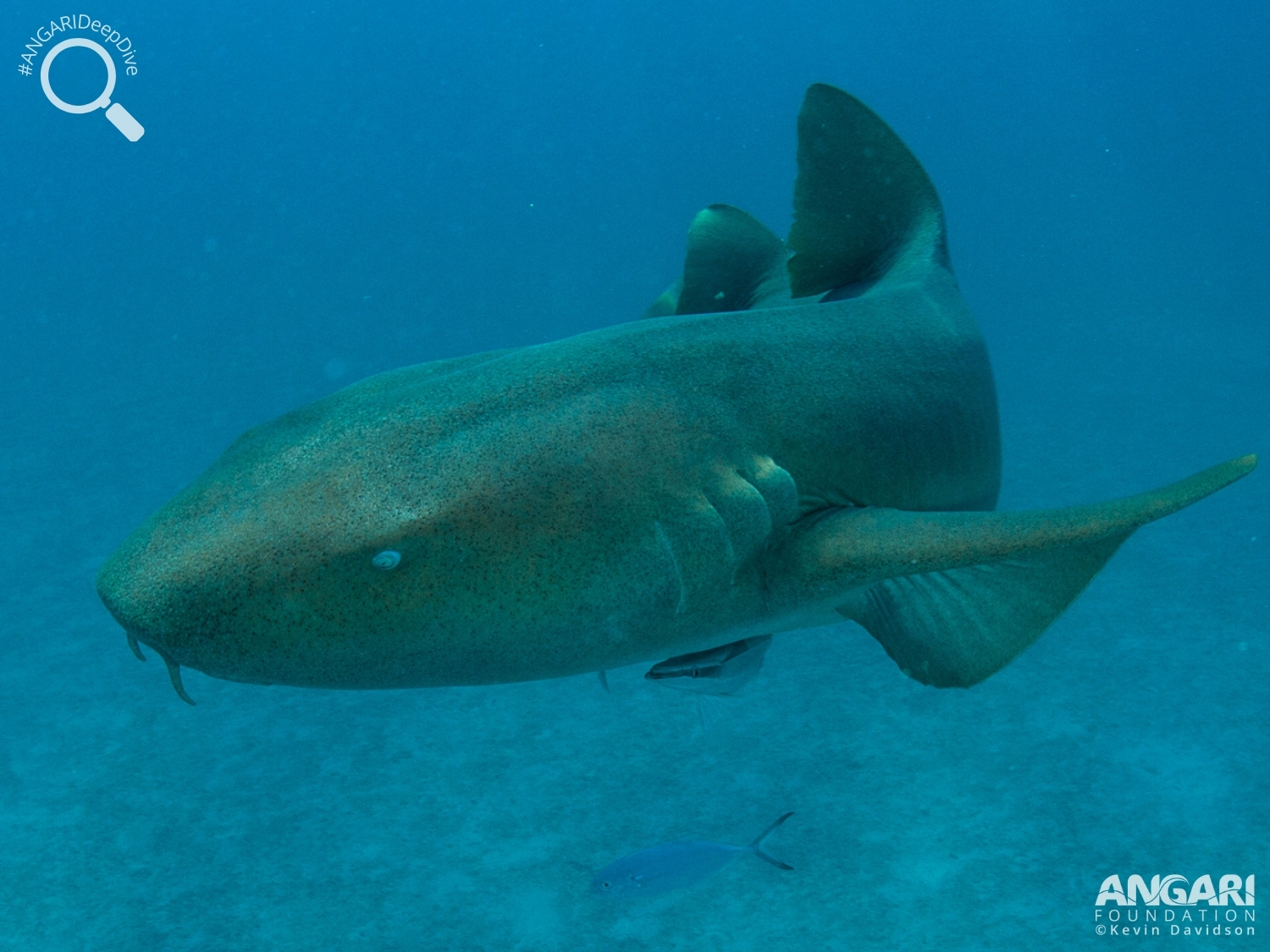
#3: Atlantic nurse sharks prefer warm water.
Atlantic nurse sharks prefer warm water and can be found in the waters of the eastern Pacific and western Atlantic oceans. They are often seen lying down in shallow reef areas!
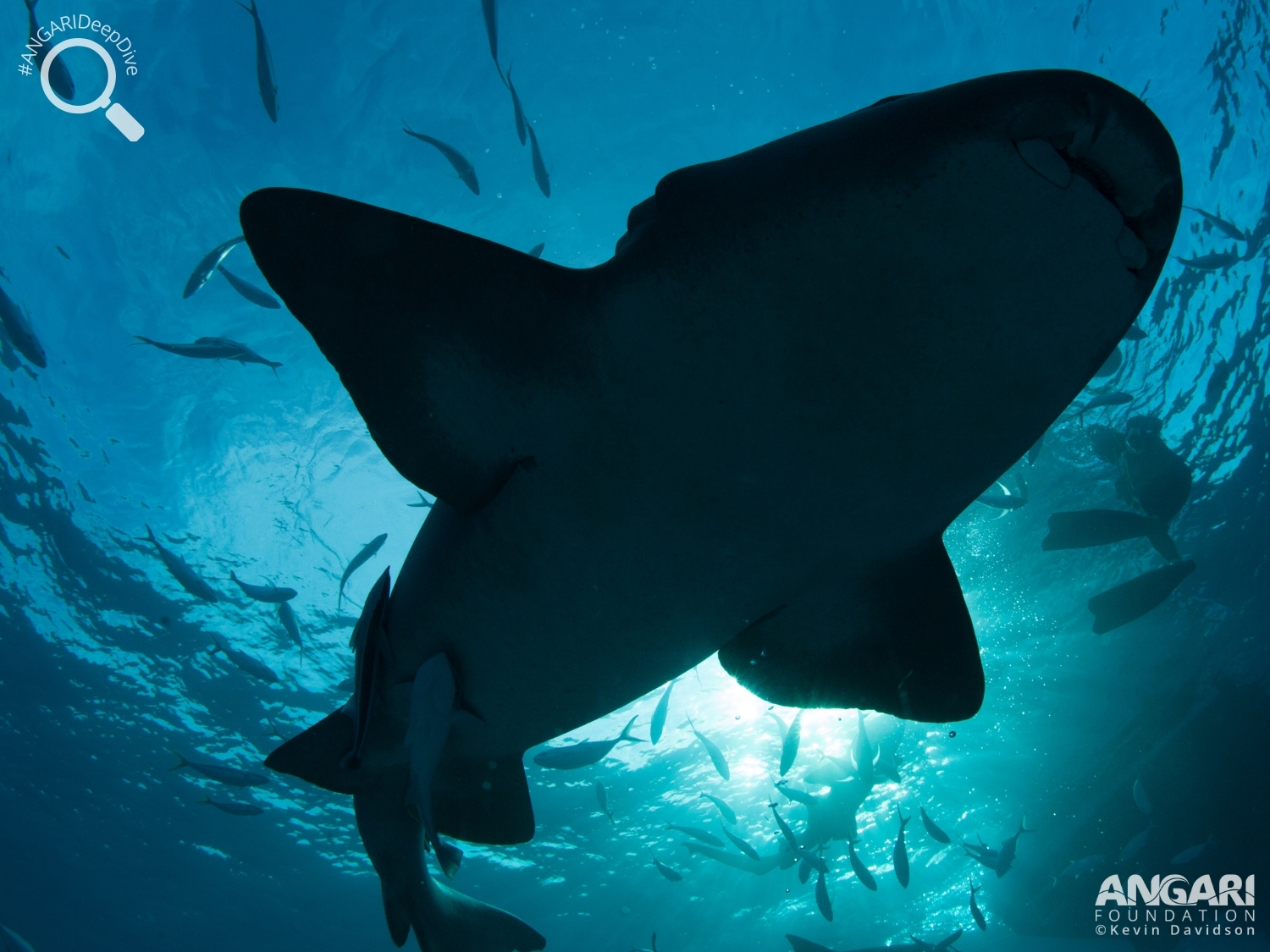
#4: What do Atlantic nurse sharks eat?
Atlantic nurse sharks’ most preferred food includes shrimp, squid and other fish. They have also been observed eating shellfish and grinding up coral with their teeth.
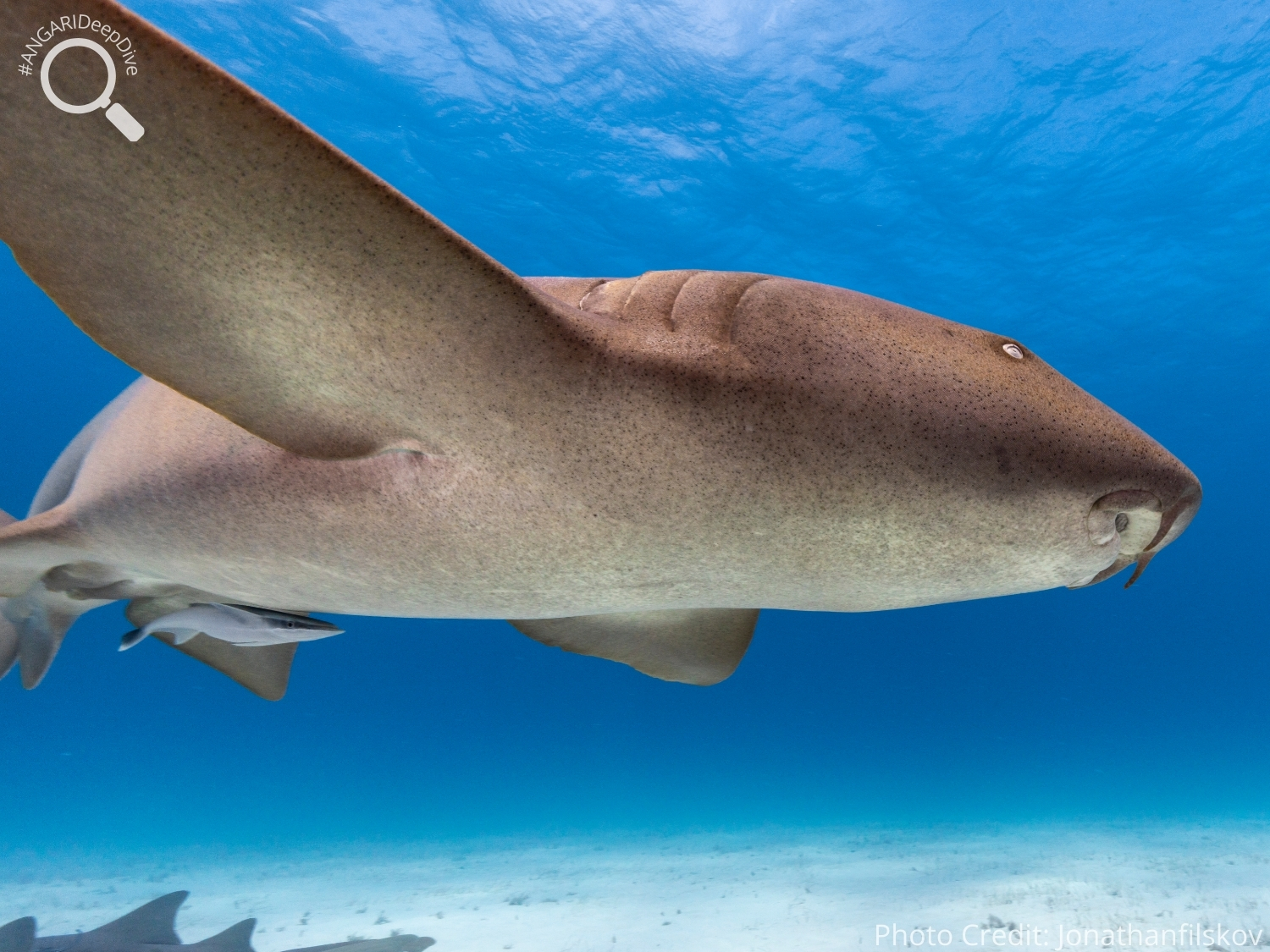
#5: Atlantic nurse sharks can lie very still.
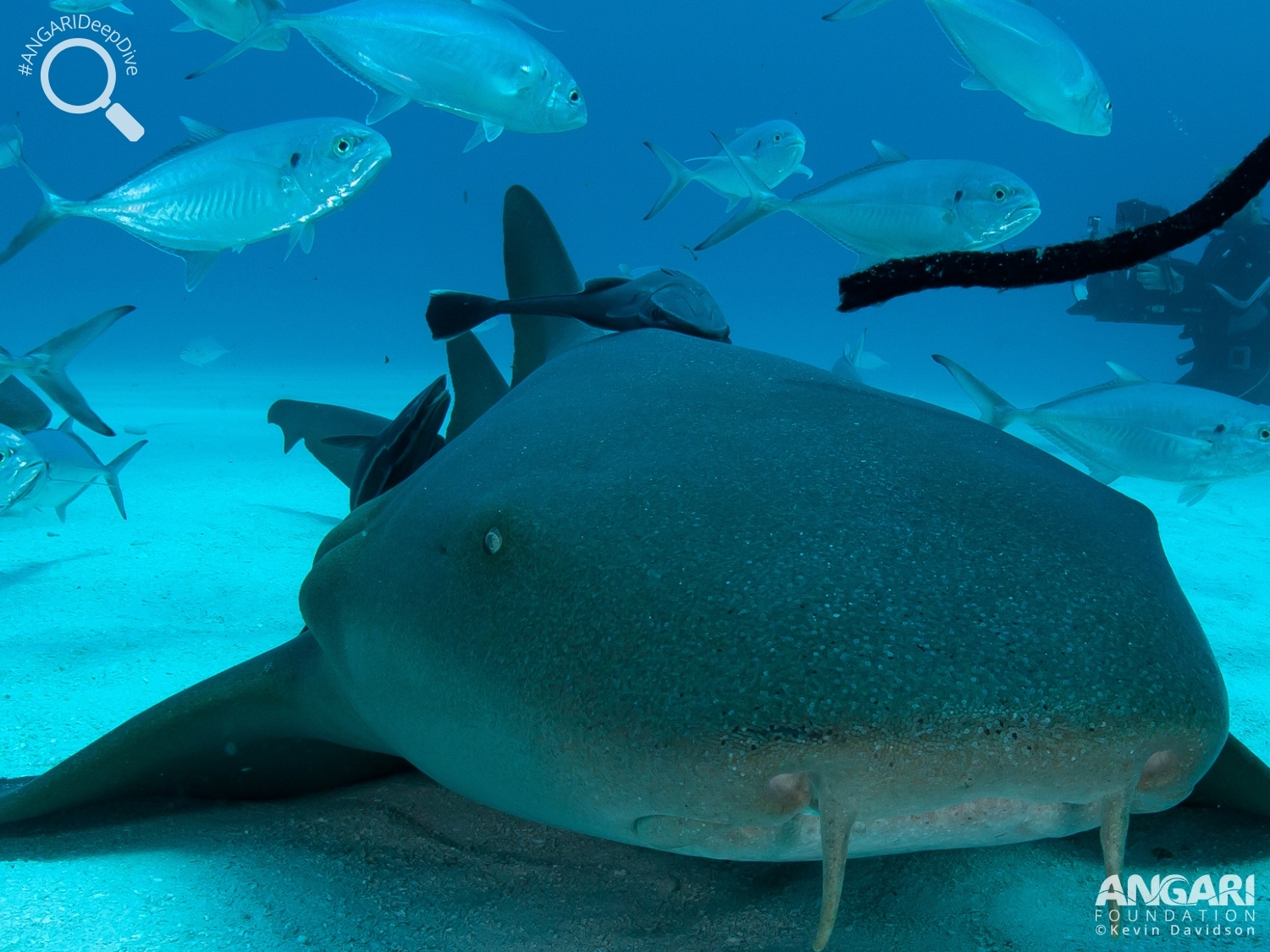
Atlantic nurse sharks are often found lying still on the bottom of the ocean floor. However, this isn’t something every shark species can do! Atlantic nurse sharks engage in this behavior by using buccal pumping to draw water into their mouths and over their gills.
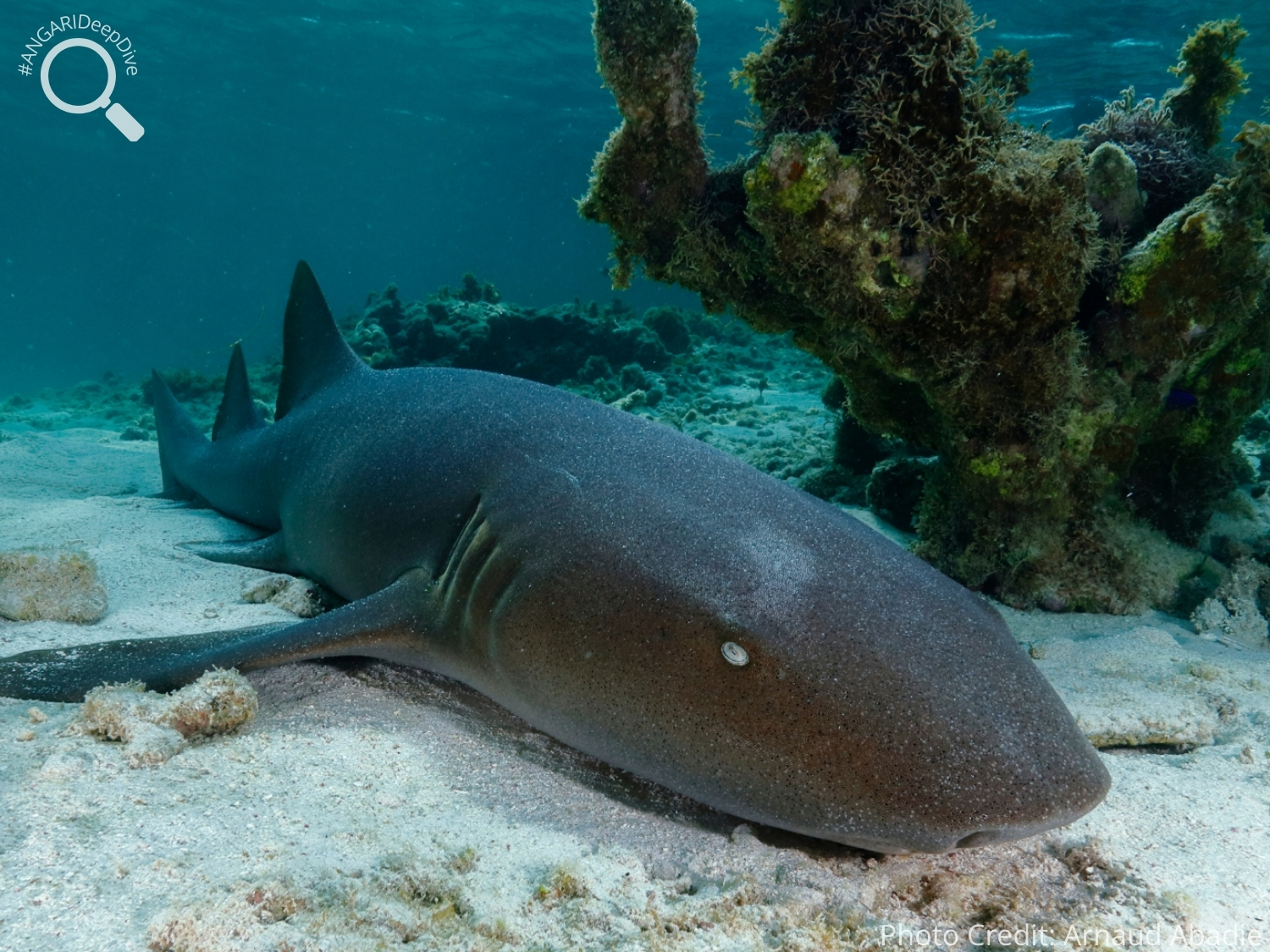
#6: How do Atlantic nurse sharks hunt?
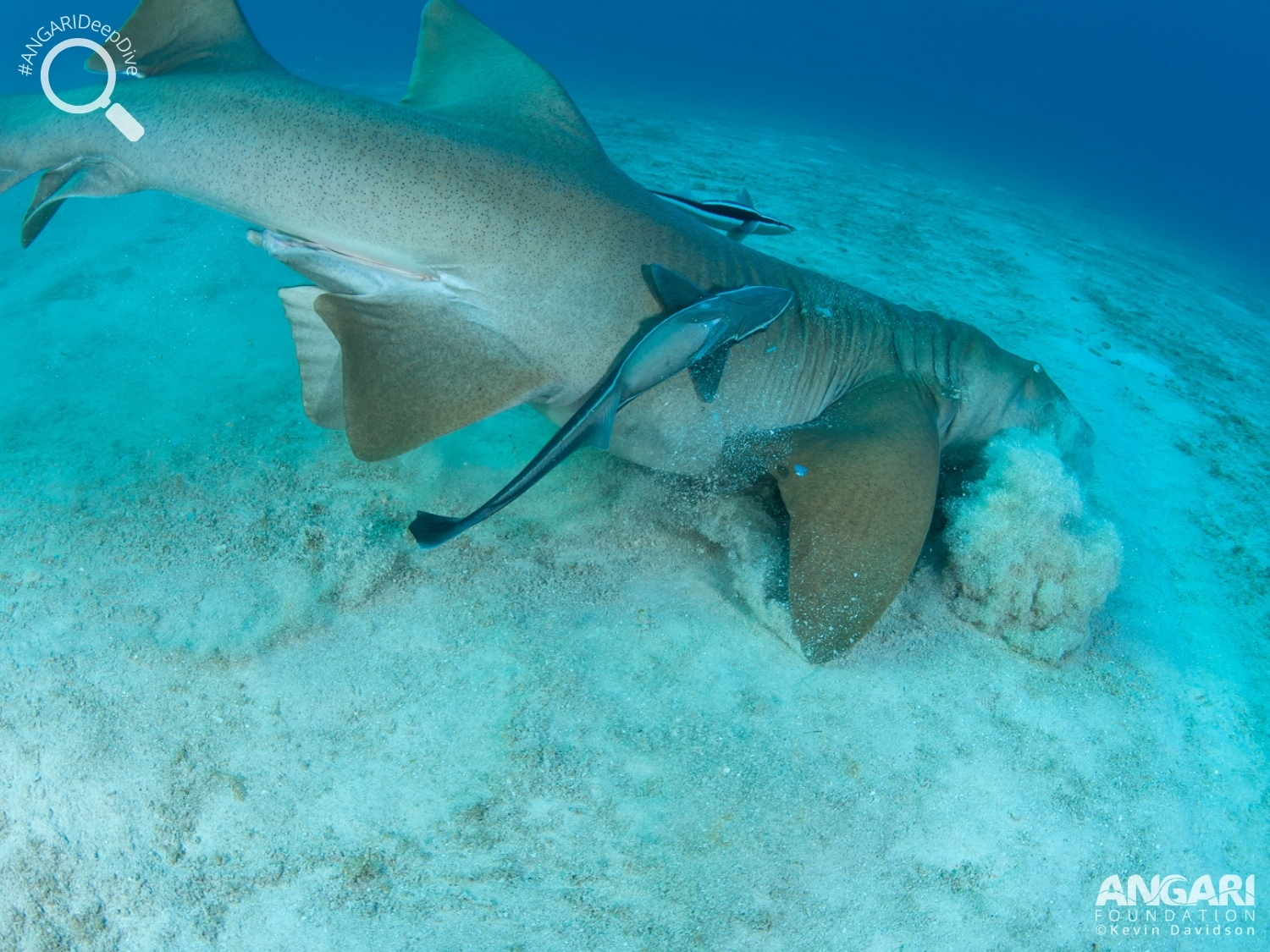
Atlantic nurse sharks are nocturnal and primarily hunt at night. These creatures forage for food in the sand by using a suction motion, which allows them to capture their prey.
#7: How do Atlantic nurse sharks reproduce?
Atlantic nurse sharks are ovoviviparous, meaning that embryos develop within egg cases inside the female. After 6 months of pregnancy, the female shark will then give birth to a litter of 20-30 pups. These pups are typically 12 inches long and are covered in dark spots.
#8: Atlantic nurse sharks can be found in groups.
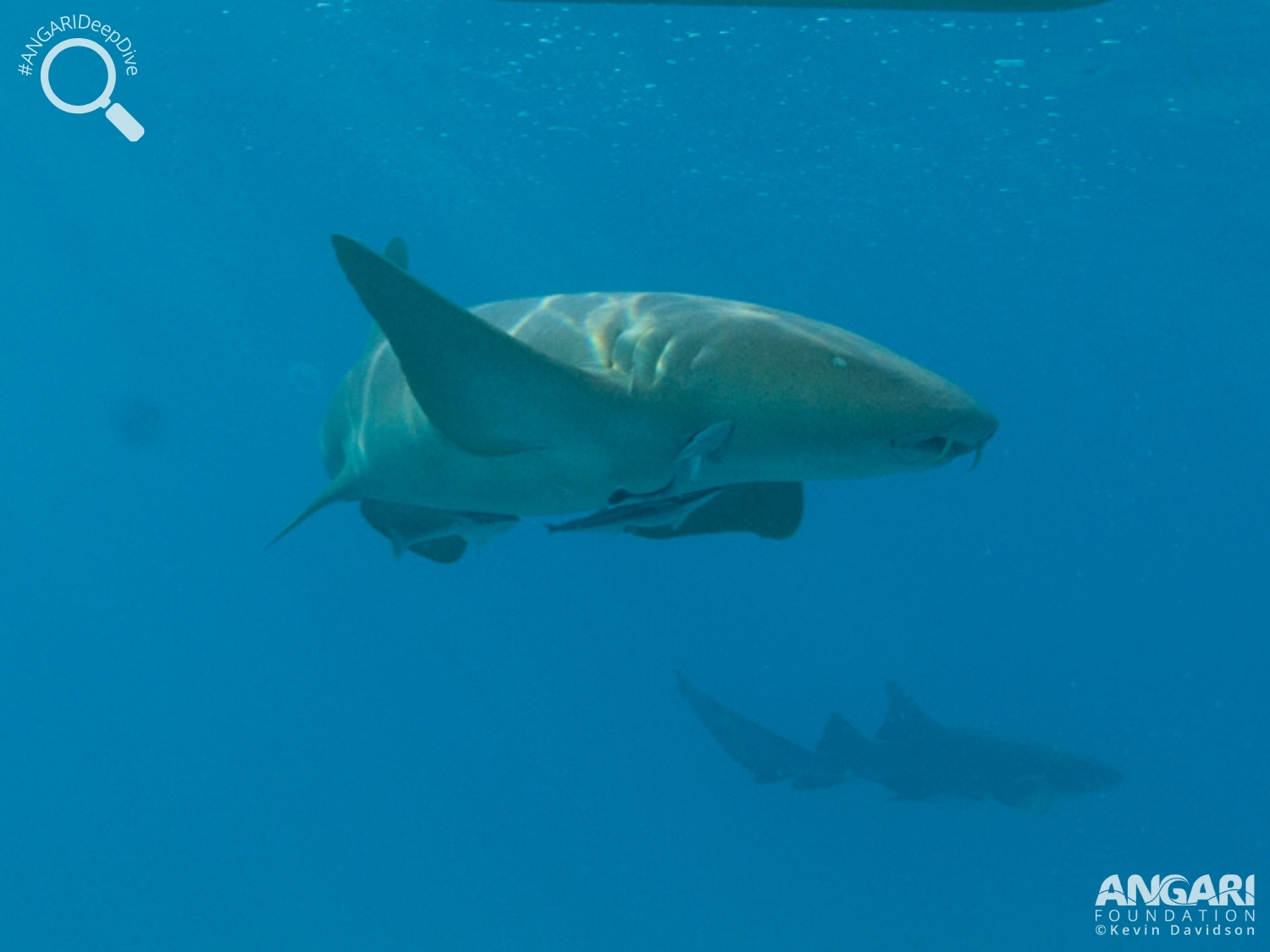
Although Atlantic nurse sharks hunt alone, they can often be found in large groups of over 40 individuals. This may be due to protection, mating or to help each other maintain body temperature!
#9: Atlantic nurse sharks have unique teeth.
Atlantic nurse sharks have very strong jaws filled with thousands of tiny, sharp, serrated teeth! This allows these creatures to eat hard objects and shells.
The Atlantic nurse shark is listed as vulnerable by the IUCN, as they have a relatively small home range, which puts local populations at risk. They are directly targeted by some artisanal fisheries and caught as bycatch in others, and are also threatened by pollution and climate change. The best way to help nurse sharks is to buy sustainably sourced seafood, take steps to limit environmental impacts and support continued research on their populations!
Additional Atlantic Nurse Shark Resources:
1. Nurse Shark – Oceana
2. Nurse Shark – National Park Service
3. Nurse Shark, Ginglymostoma cirratum – Florida Fish and WildlifeConservation Commission

Related Posts