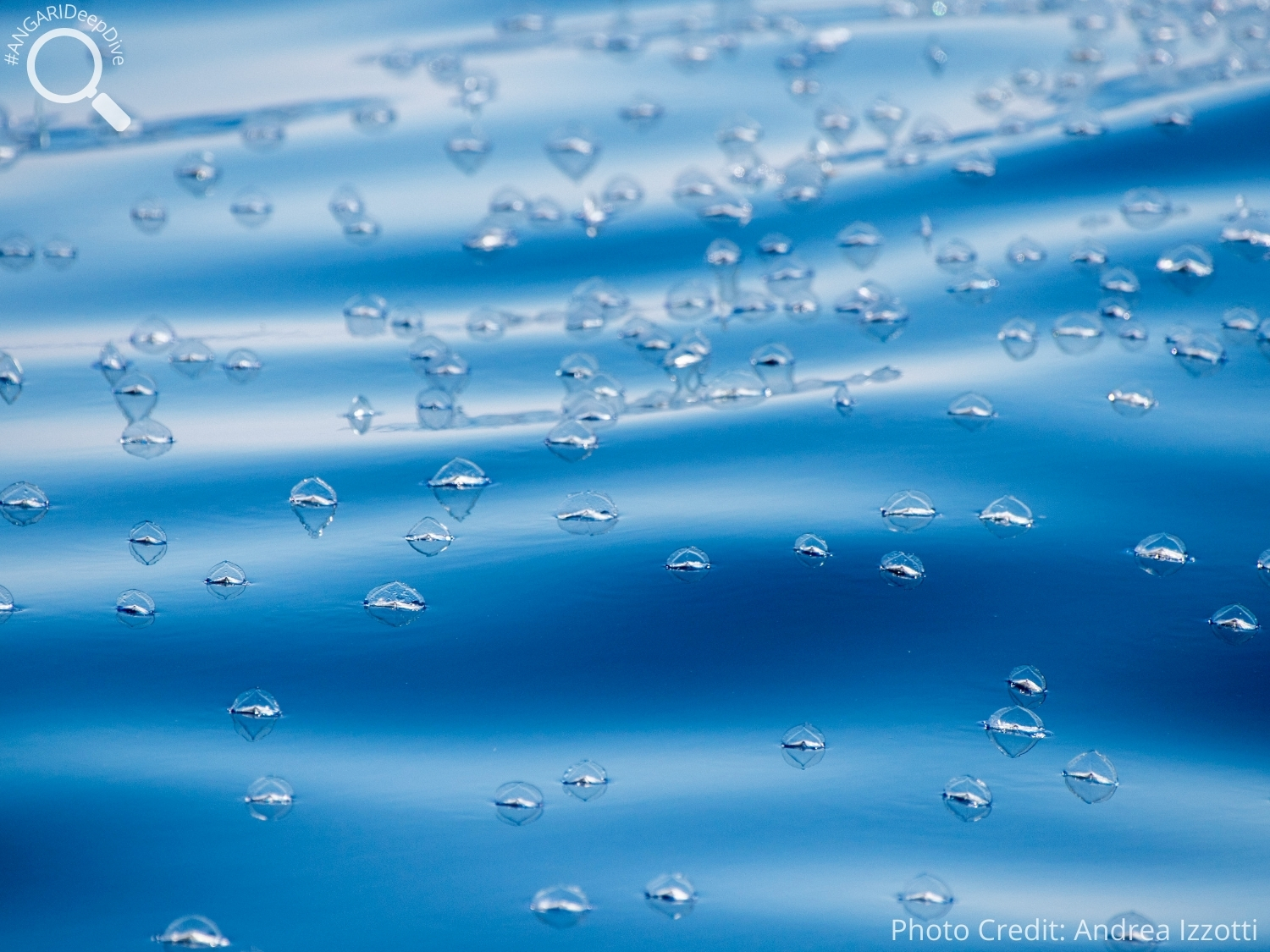
Often spotted on the ocean’s surface, by-the-wind sailors vary in color from blue to purple and rely on the wind to get around.
Common Sea Fan (Gorgonia ventalina)
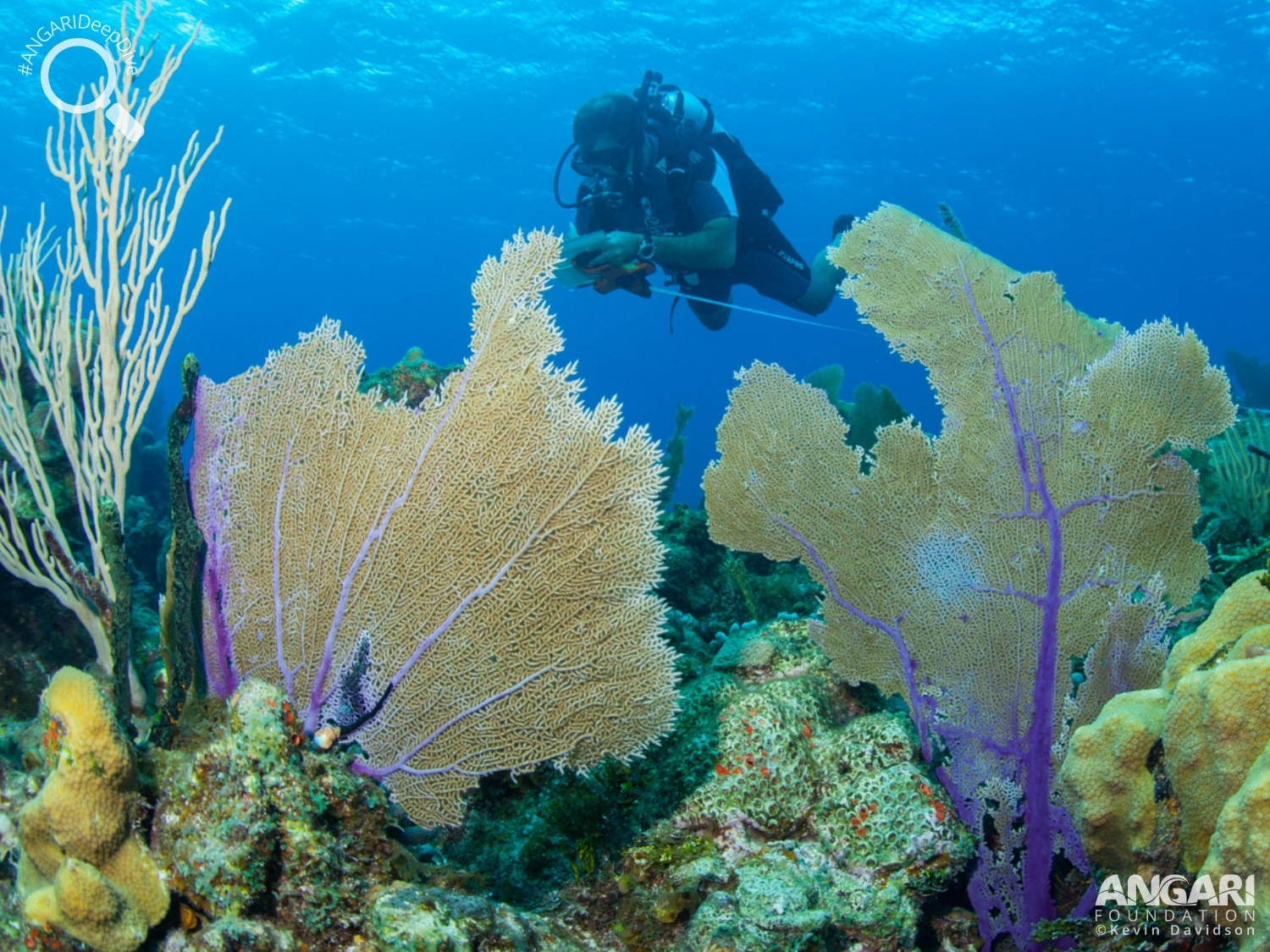
Common sea fans (Gorgonia ventalina) are commonly found on coral reefs and can be identified by their purple tissue. This purple tissue gives the common sea fan another name, the purple sea fan. Additionally, as the name implies, common sea fans are shaped like fans and you can read all about that and more below.
#1: Where are common sea fans found?
Common sea fans are typically found among reefs in water depths of up to 30 meters. They can be seen around the southern parts of Florida, Cuba, the Dominican Republic and northern parts of Colombia and Venezuela.
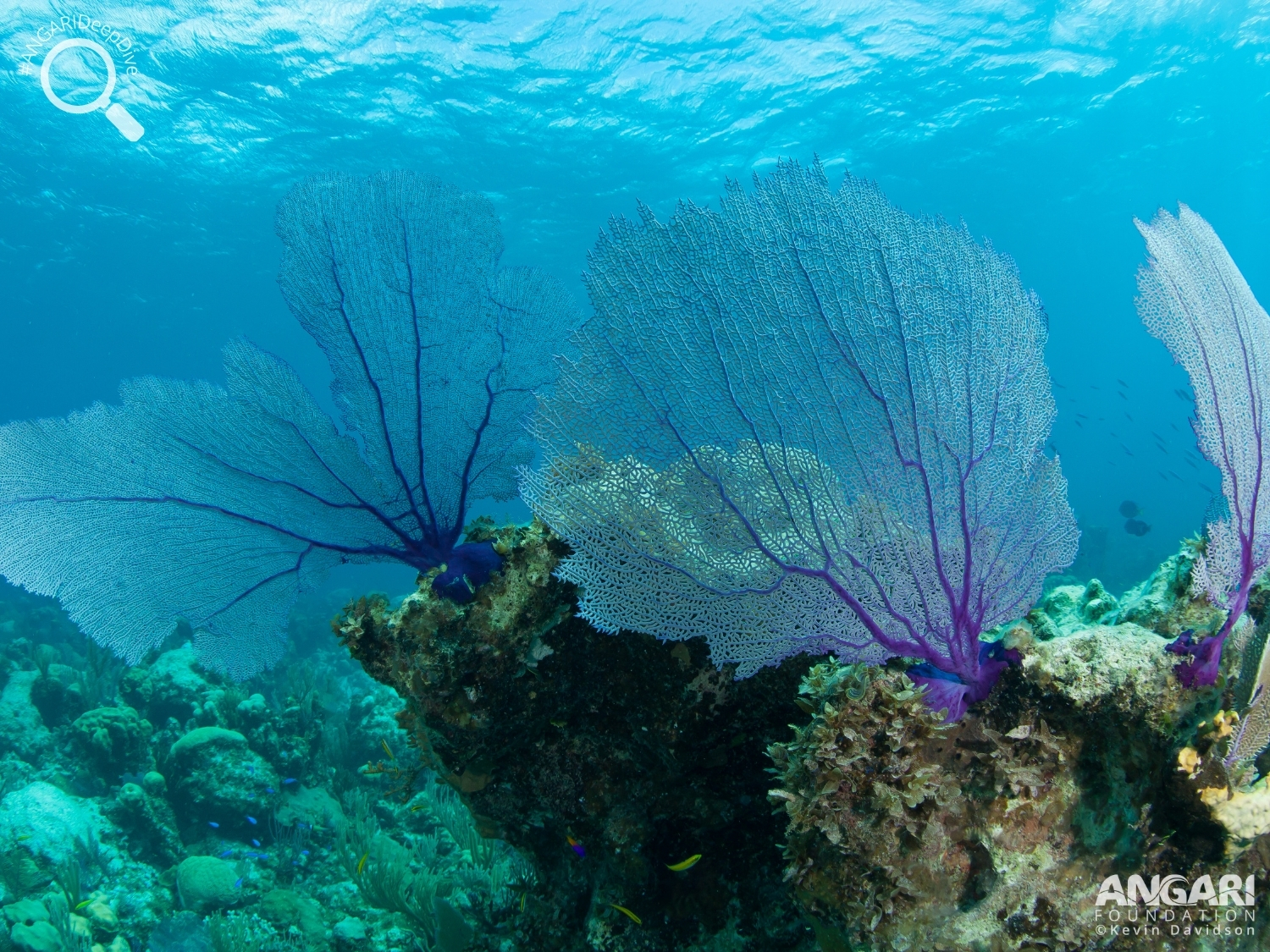
#2: Common sea fans thrive in flowing waters.
Common sea fans are filter feeders, which means they survive on nutrients in the water. As filter feeders, the speed of the water in which common sea fans live is very important. The flow of water will provide the common sea fans with organic material and nutrients, which are important for their growth and respiration.
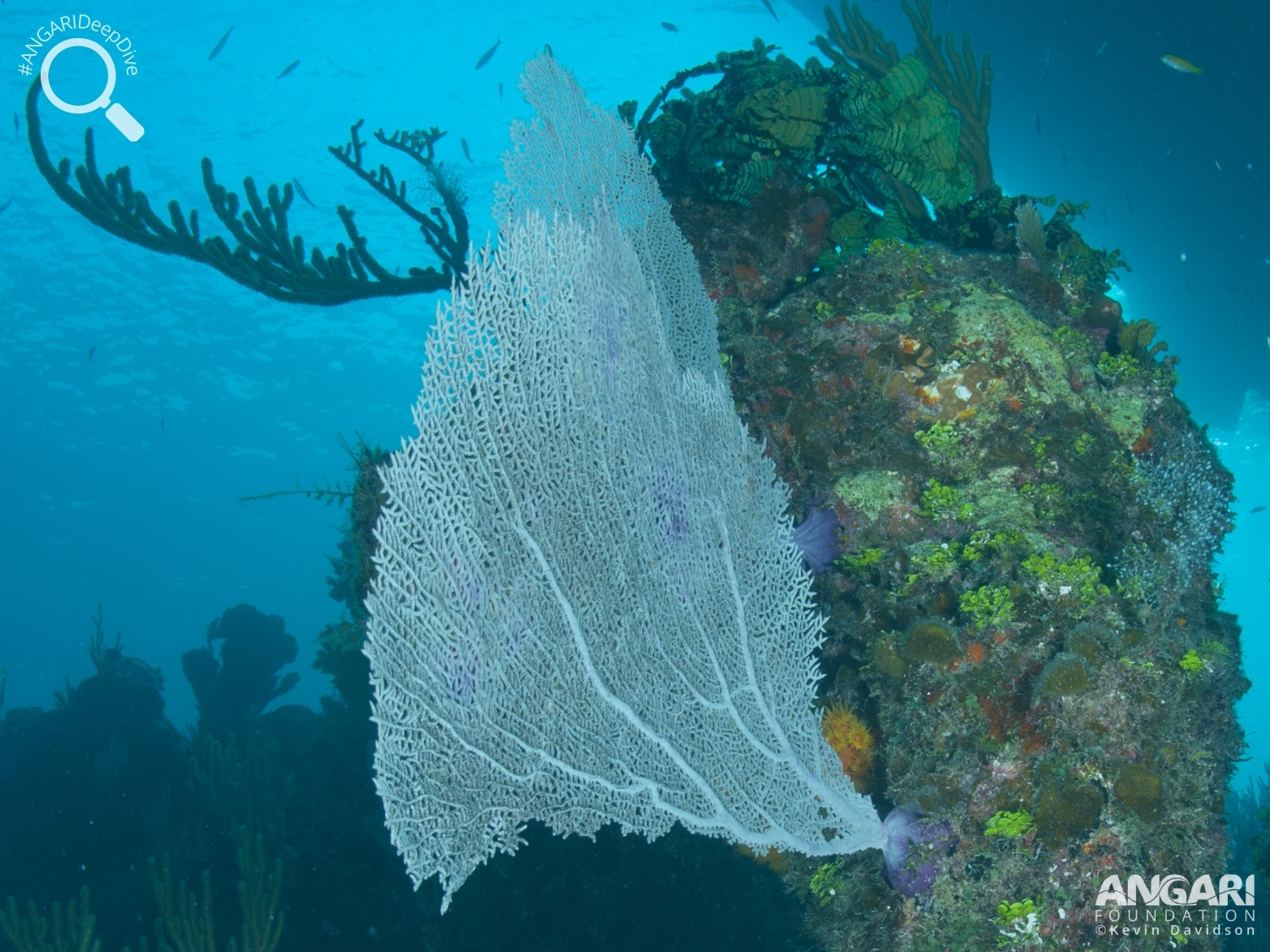
#3: What shape are common sea fans?
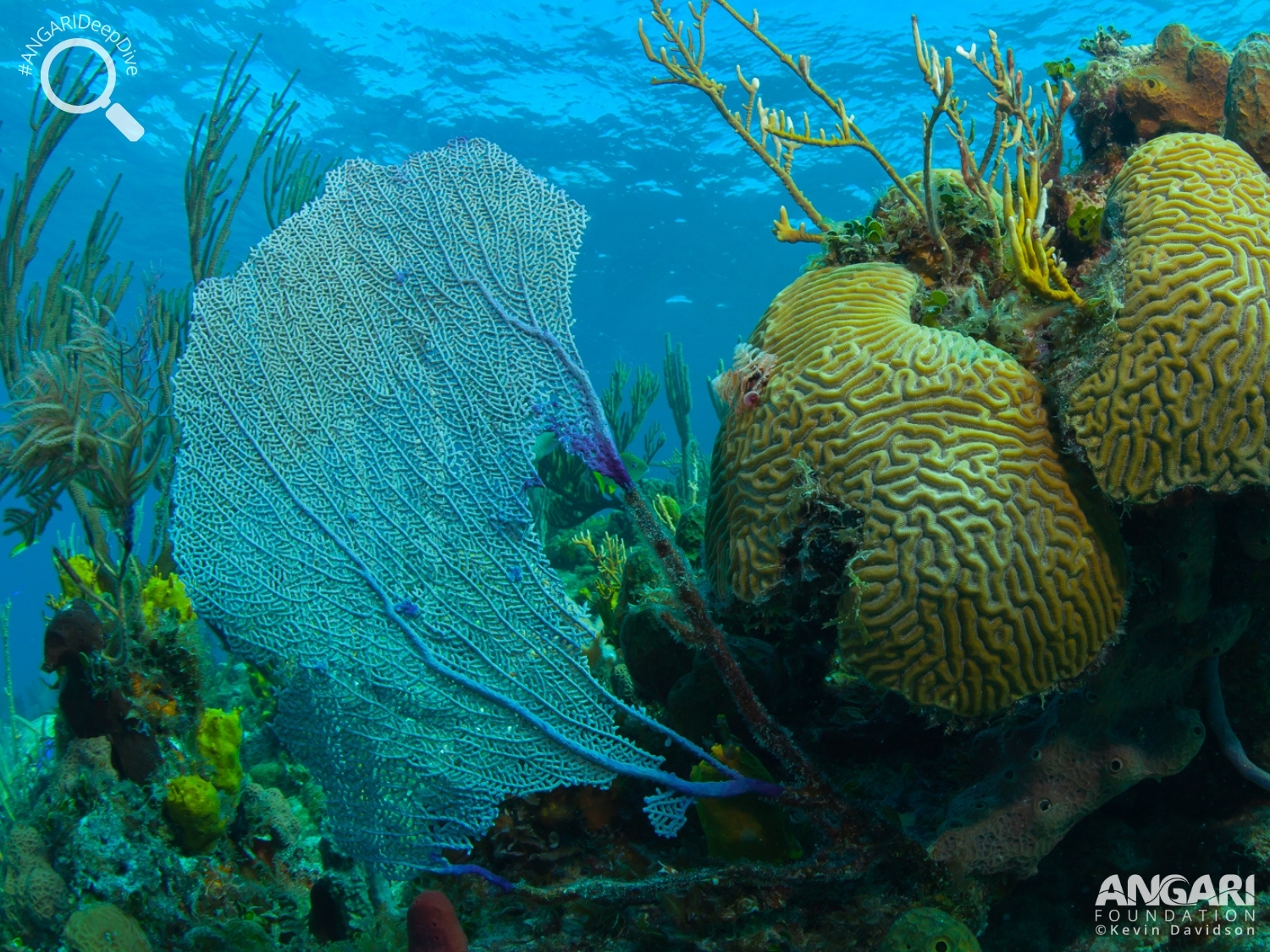
Just as their name implies, common sea fans are fan-shaped! They have a slender base that branches out to a single flat branched layer. The single branches combine to give the coral its distinctive fan shape.
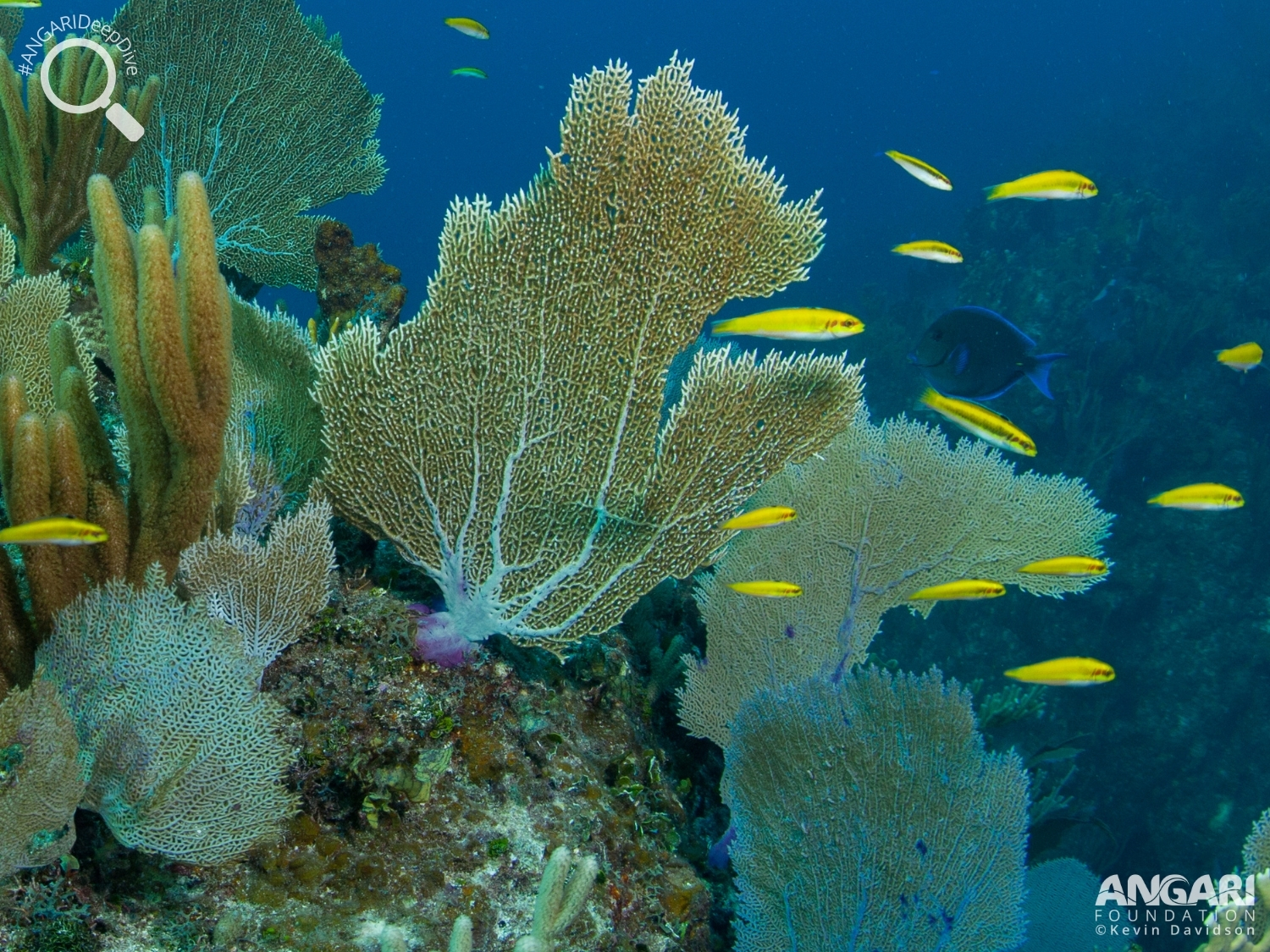
#4: How big are common sea fans?
Common sea fans can grow up to 180cm (5.10ft) tall and 150cm (4.9ft) wide. That’s about as big as a dining table that seats four people!
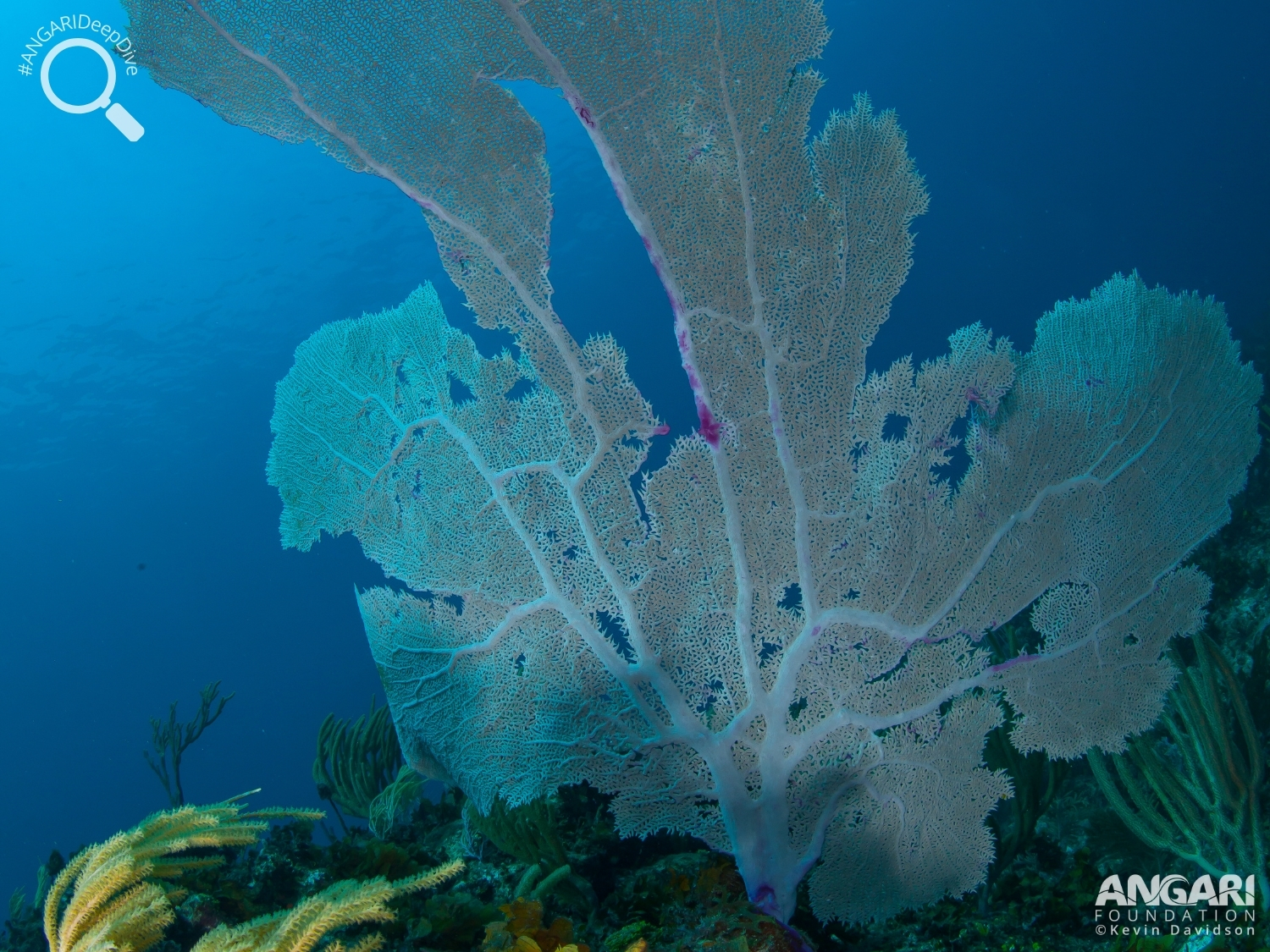
#5: Predators of the common sea fan.
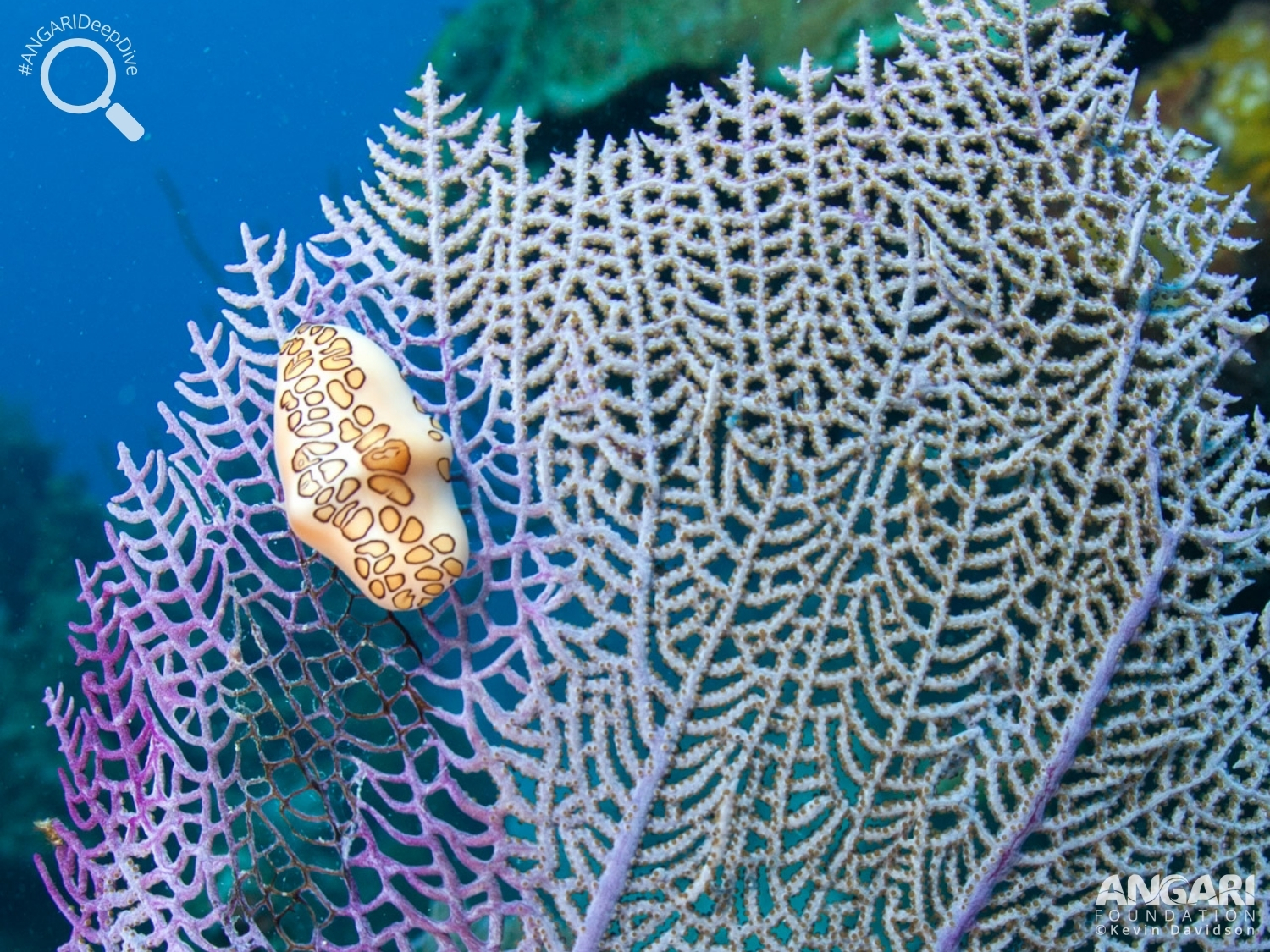
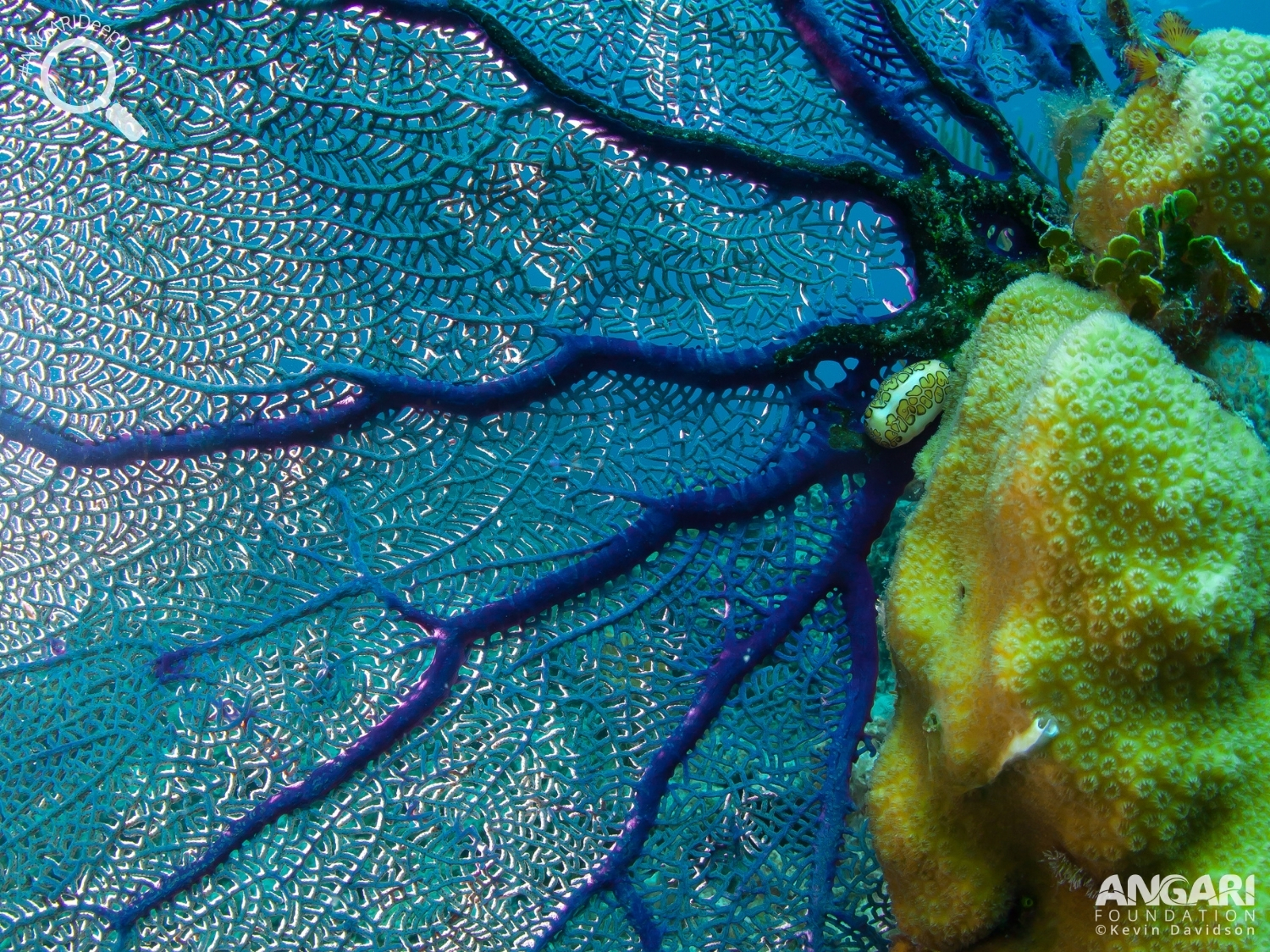
Some predators of the common sea fan include nudibranchs and flamingo tongue snails. These creatures will eat off pieces of the common sea fan, destroying its skeletal framework.
#6: Common sea fans are carnivorous.
Common sea fans are nocturnal, carnivorous filter feeders. The polyps’ tentacles will extend outward, allowing the common sea fan to capture and eat zooplankton.
#7: How do common sea fans get nutrients?
Common sea fans have a symbiotic relationship with zooxanthellae, a type of algae. The zooxanthellae that live on the common sea fan provide it with nutrients through photosynthetic activity.
Did you know that common sea fans can get sick? Common sea fans may be attacked by the fungus Aspergillus sydowii, which causes the disease aspergillosis. When common sea fans contract the disease, it can result in extreme purpling of tissues, damaged patches and even death. While scientists continue to study this disease, one thing they have determined is that the disease is closely linked to warmer water temperatures. Sea fans that live in stressful conditions, such as warming waters, are highly susceptible.
Additional Common Sea Fan Resources:
1. Common Sea Fan – Lamar University
2. Gorgonia ventalina (Purple Sea Fan) – The University of the West Indies
3. Florent’s Guide To The Florida, Bahamas & Caribbean Reefs – Common Sea Fan

Related Posts