Often spotted on the ocean’s surface, by-the-wind sailors vary in color from blue to purple and rely on the wind to get around.
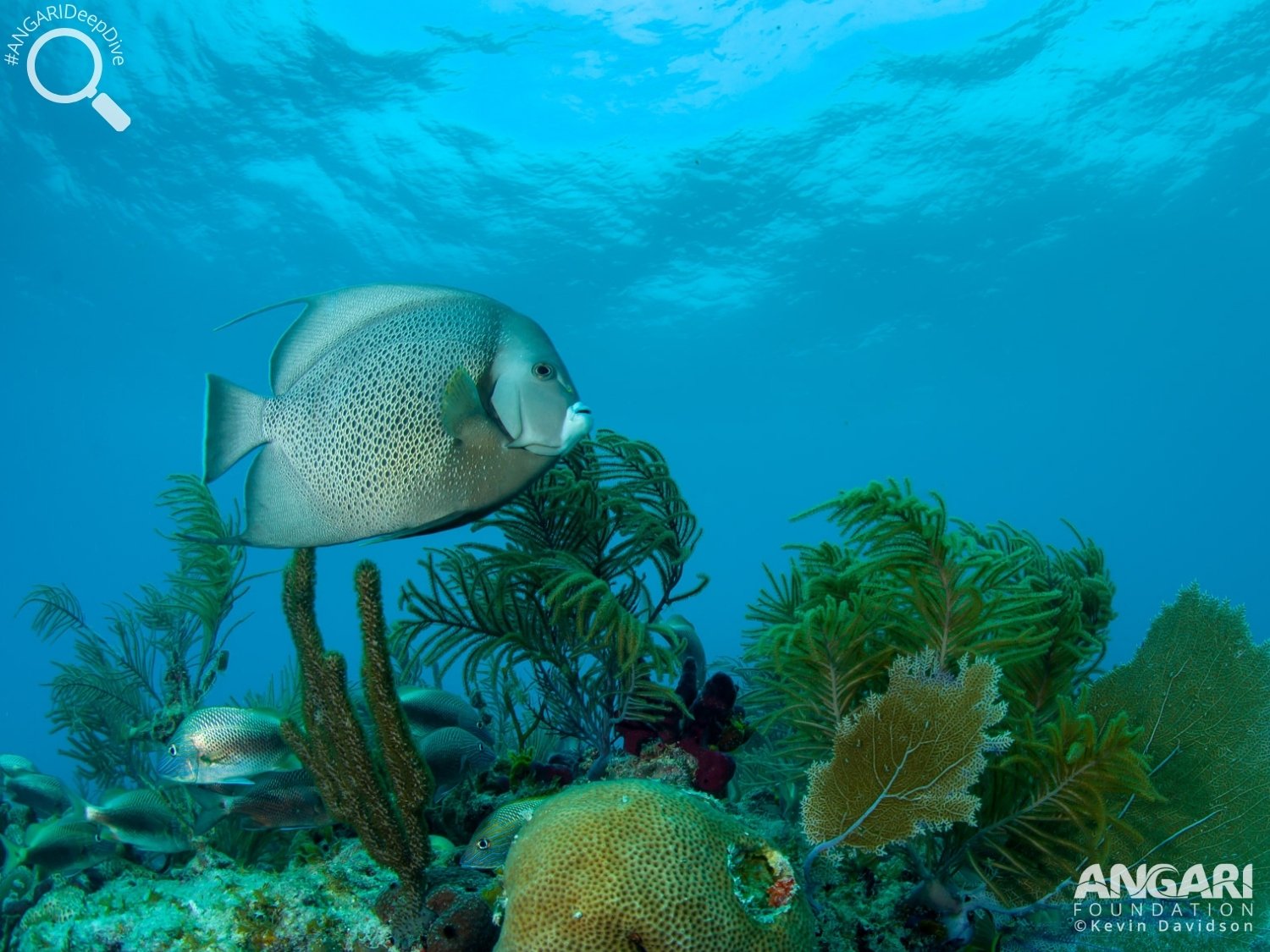
Gray Angelfish (Pomacanthus arcuatus)
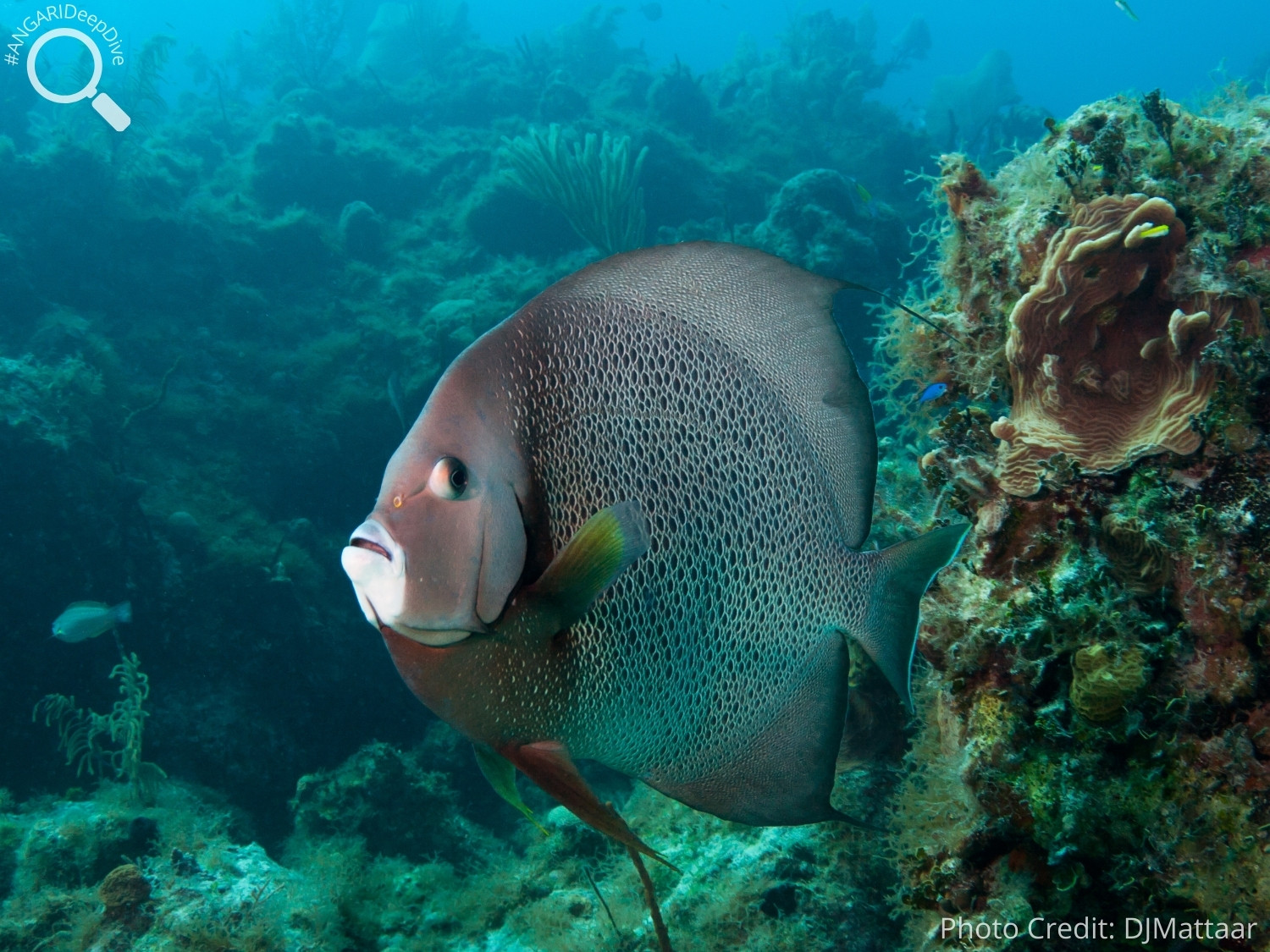
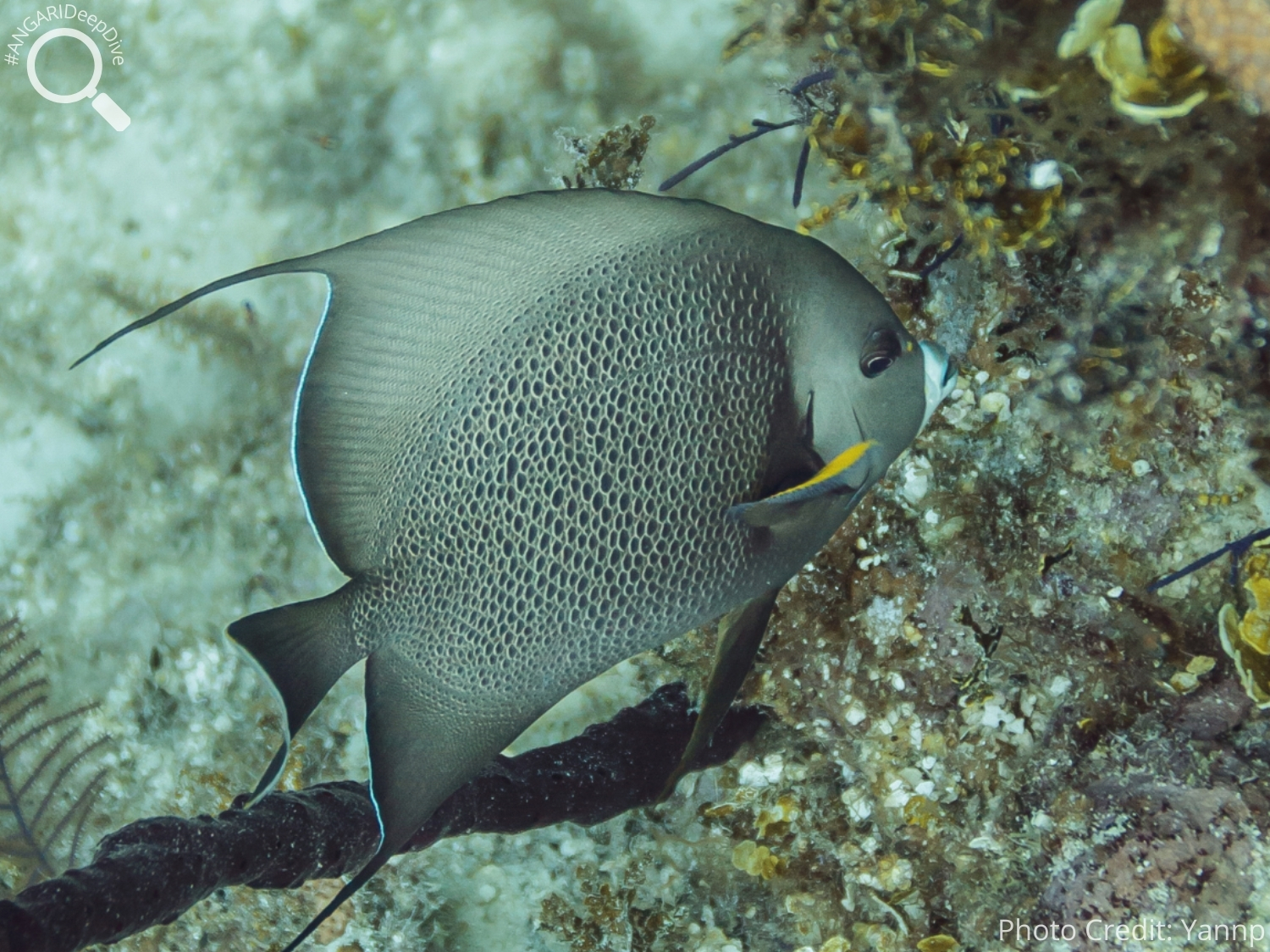
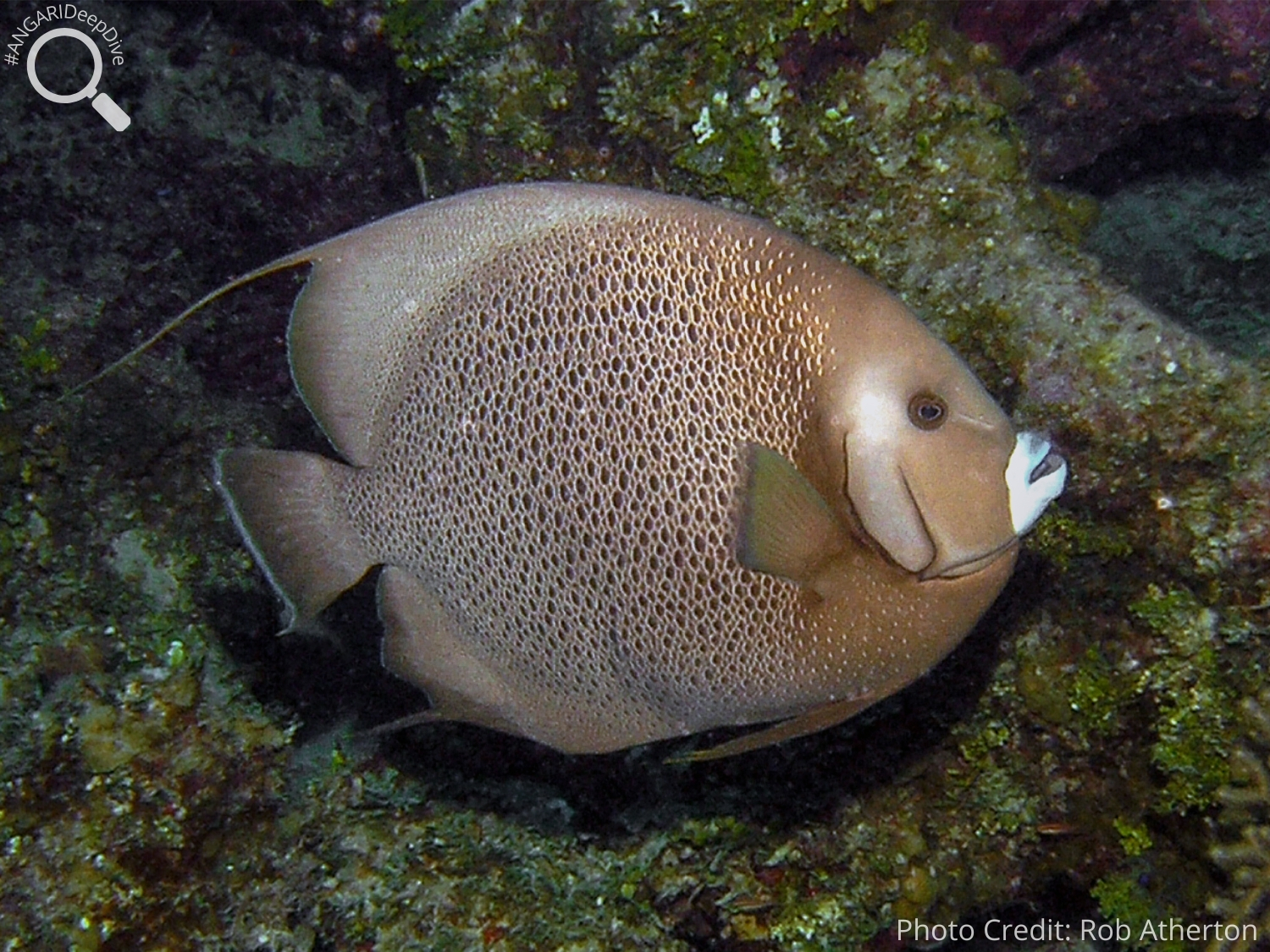
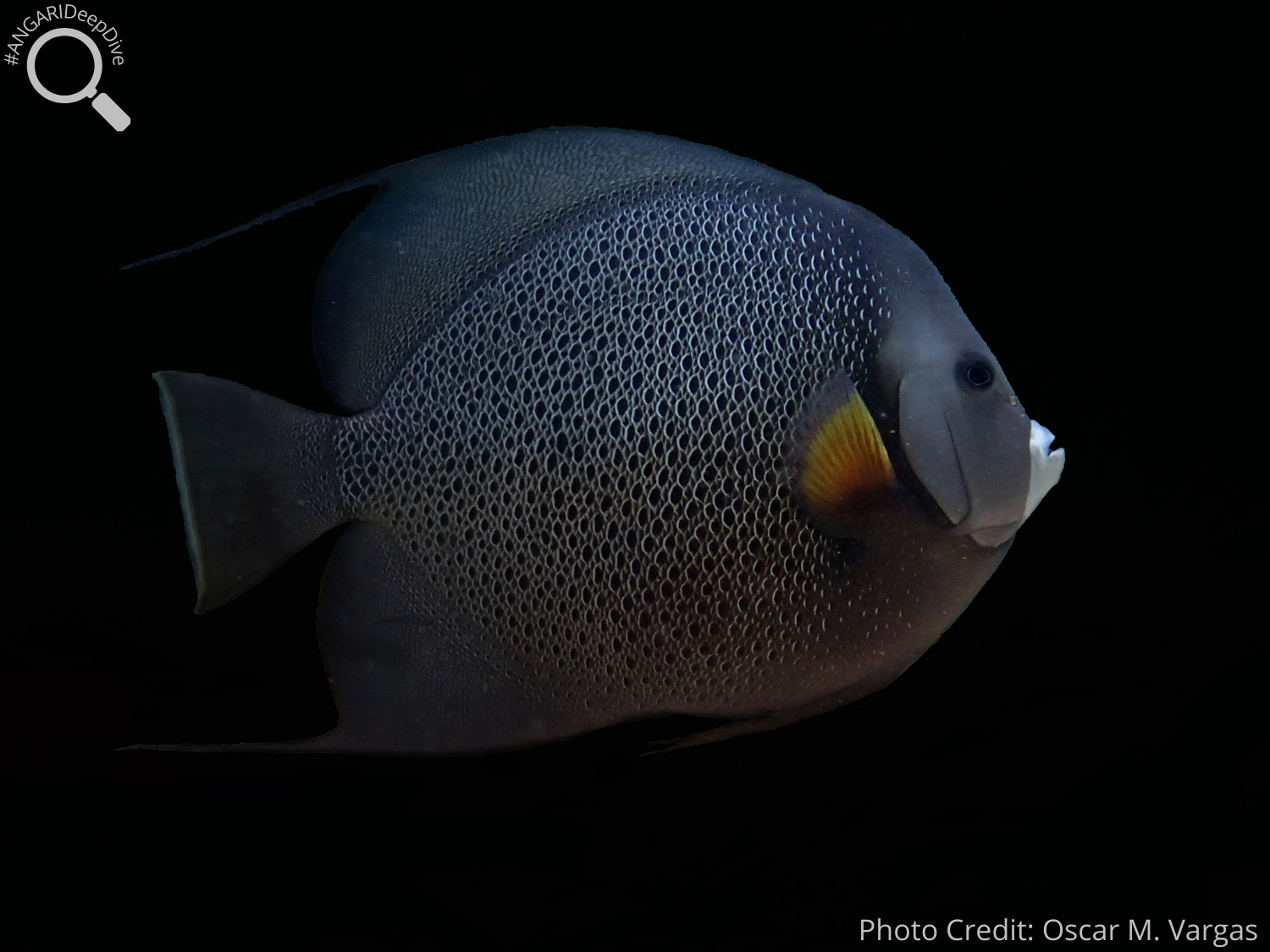
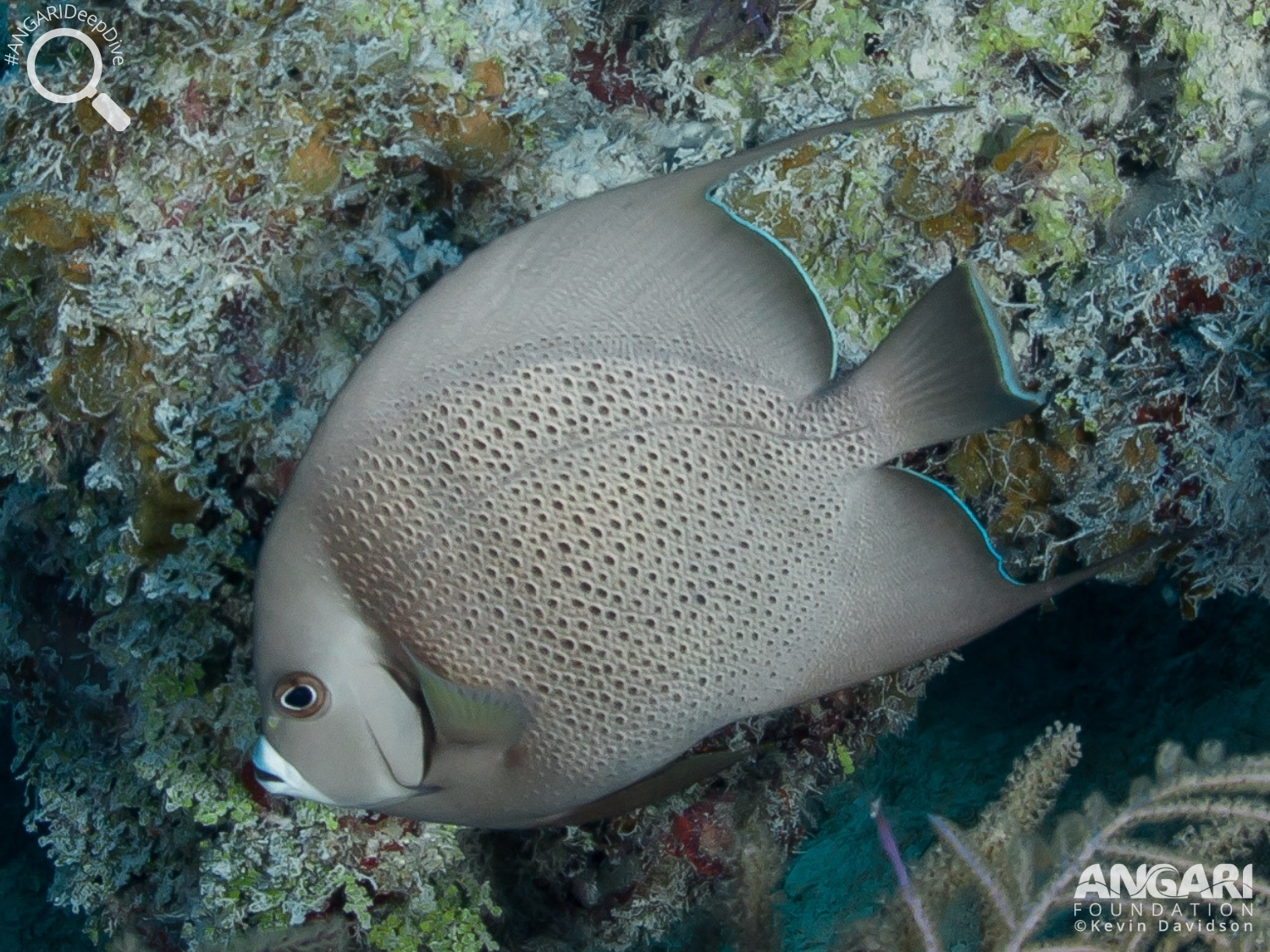
Did you know that gray angelfish (Pomacanthus arcuatus) are found on coral reefs in the western Atlantic Ocean? They have a flat and compressed body, which enables them to be strong swimmers and also they vary in color from shiny gray or brown with yellow pectoral fins. These iconic attributes set gray angelfish apart from other similar fish species!
#1: How big is the gray angelfish?
On average a gray angelfish will grow to be between 17 and 19 inches (43 – 48cm) long. However, they have been known to grow to be as long as 24 inches (60cm) long.
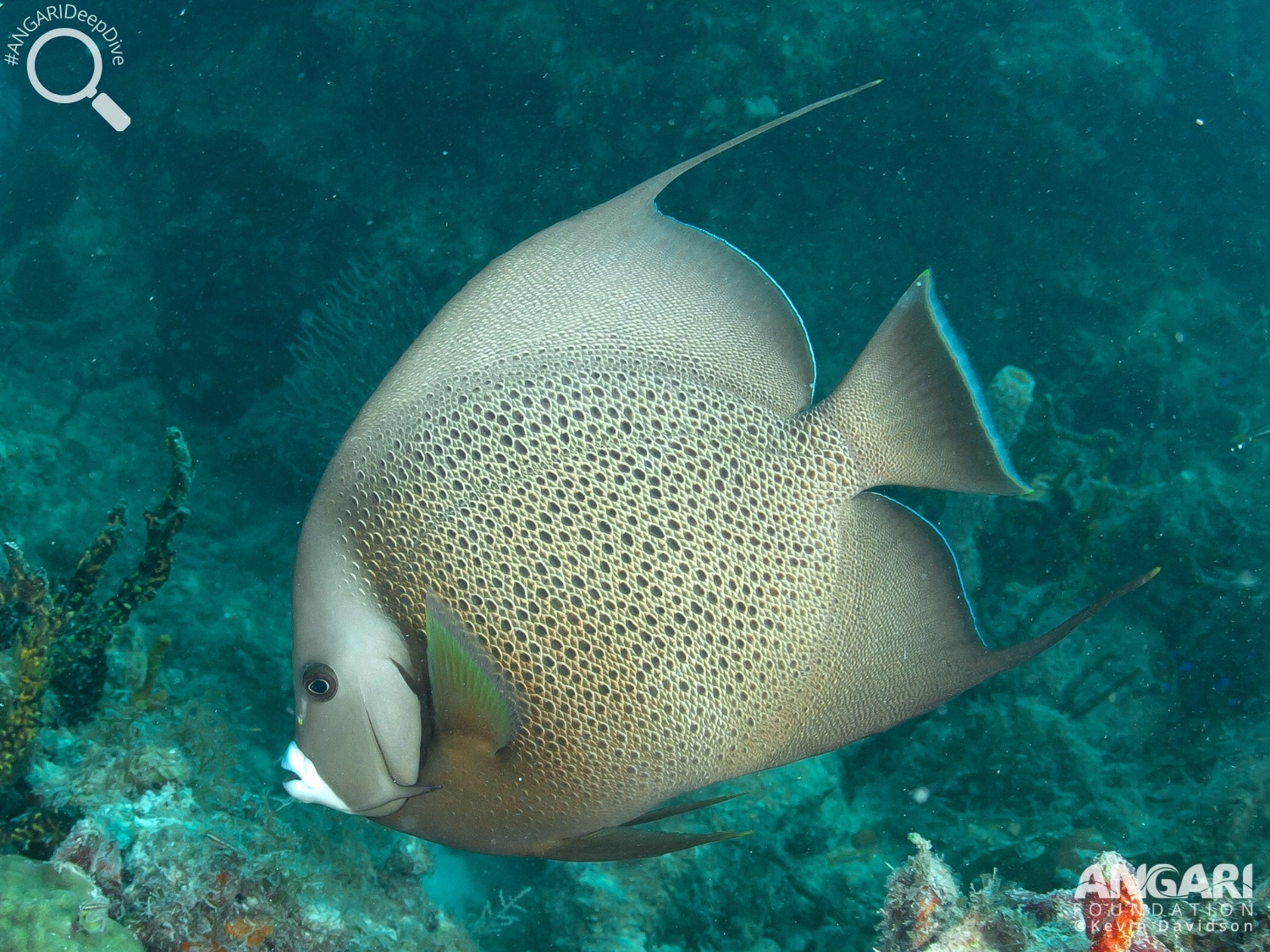
#2: Gray angelfish have bristle-like teeth.
Gray angelfish have small, bristle-like teeth that help them tear and grind their food. This allows them to eat a variety of textures, such as sponges, seagrass or smaller fish.
#3: What is the difference between a juvenile and adult gray angelfish?
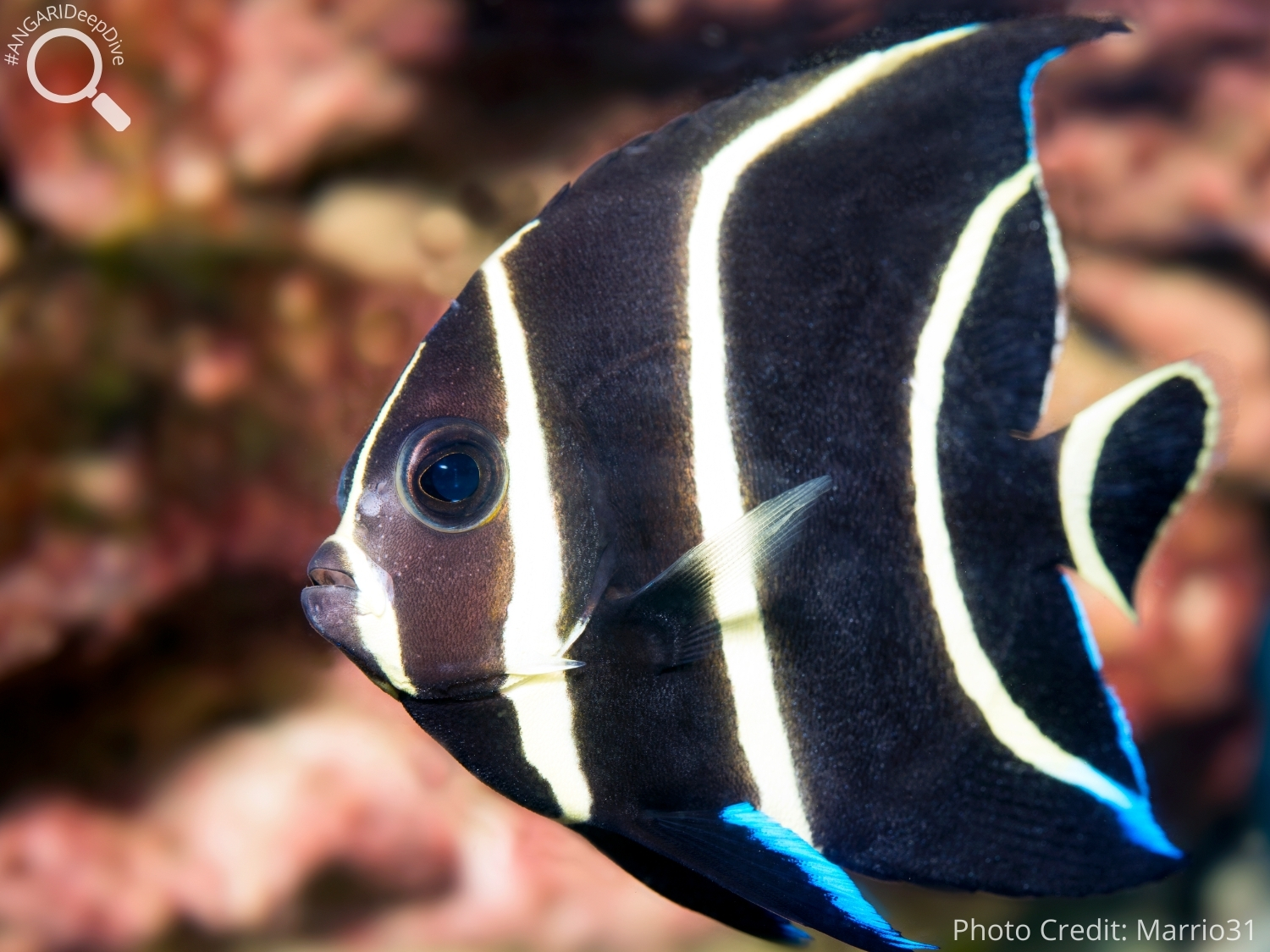
Juvenile gray angelfish look different compared to adult gray angelfish. Juvenile gray angelfish have dark blackish scales with five yellow stripes that run vertically down their bodies, while mature gray angelfish have pale gray scales and brown spots.
#4: Gray angelfish enjoy their alone time.
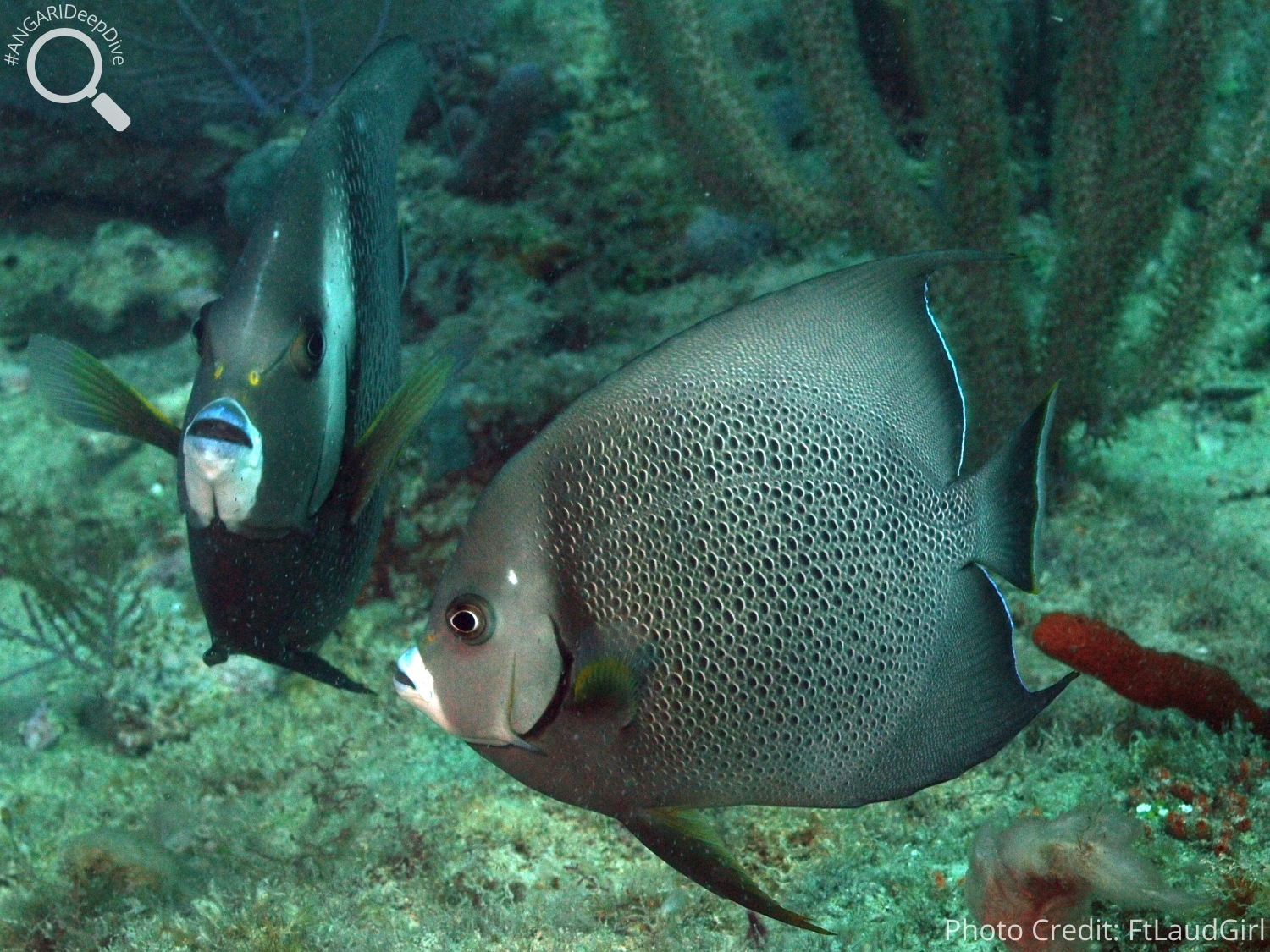
It is very common to see gray angelfish traveling in pairs or on their own. What is very uncommon and something that you won’t find is a gray angelfish traveling in a massive school of fish.
#5: How does the gray angelfish reproduce?
Once the gray angelfish find their lifetime partner, they will begin mating between the months of April and September. The female gray angelfish will release about 25,000-75,000 eggs at a time.
#6: How long does it take for their eggs to hatch?
Once the female gray angelfish releases her eggs and they have become fertilized, they only take a very short amount of time before they are ready to hatch. Normally the eggs will hatch15-20 hours after being released and fertilized.
#7: What is on the menu for the gray angelfish?
Gray angelfish are known to eat a variety of things such as sponges, algae, seagrasses, gorgonian polyps and other invertebrates. Some of the invertebrates that are favored by the species include tunicates, zoantharians, gorgonians, hydroids and bryozoans.
#8: The gray angelfish loves playing hide-and-seek.
When a gray angelfish feels threatened they will use coral reefs to hide and camouflage themselves and protect themselves from predators. The reefs also offer them a great place to rest and eat.
#9: Gray angelfish help maintain the ecosystem.
The gray angelfish play a really important role within the coral reef ecosystem that it lives. They are known to eat the algae and sponges off the rock, coral and other fish and this helps maintain the marine ecosystem.
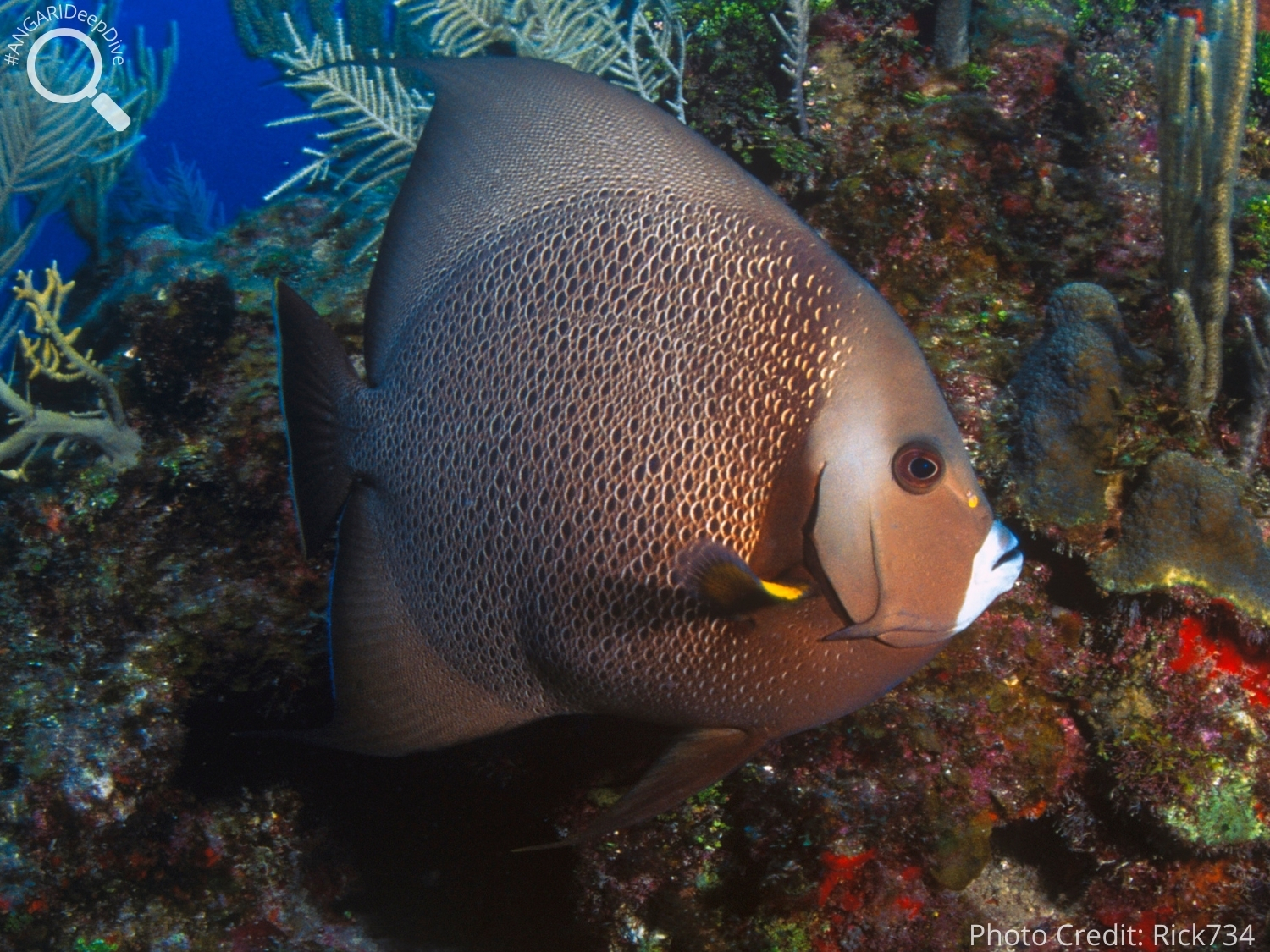
Although the gray angelfish is a species of least-concern, it is still crucial to ensure that it stays this way and their populations are maintained. Volunteering your time at beach clean-ups, recycling drives and community conservation events can make a huge difference for the future of the gray angelfish. Furthermore, simple changes at home, such as reducing water waste, avoiding single-use plastic and recycling, are great ways to protect gray angelfish and all marine life.
Additional Gray Angelfish Resources:
1. Gray Angelfish – Florida Museum
2. Pomacanthus arcuatus (Grey Angelfish) – The Online Guide to the Animals of Trinidad and Tobago
3. Grey Angelfish – The IUCN Red List of Threatened Species

Related Posts