

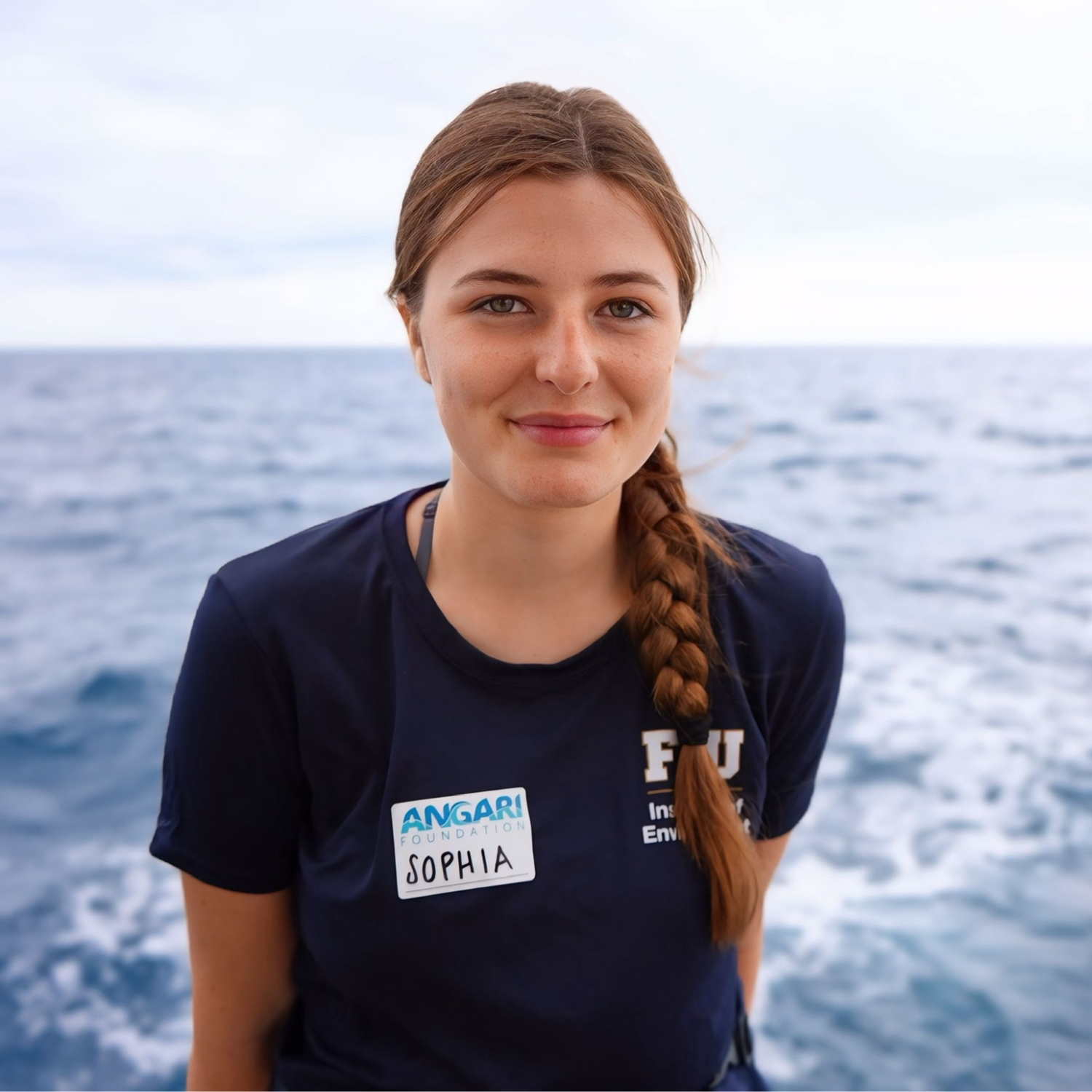
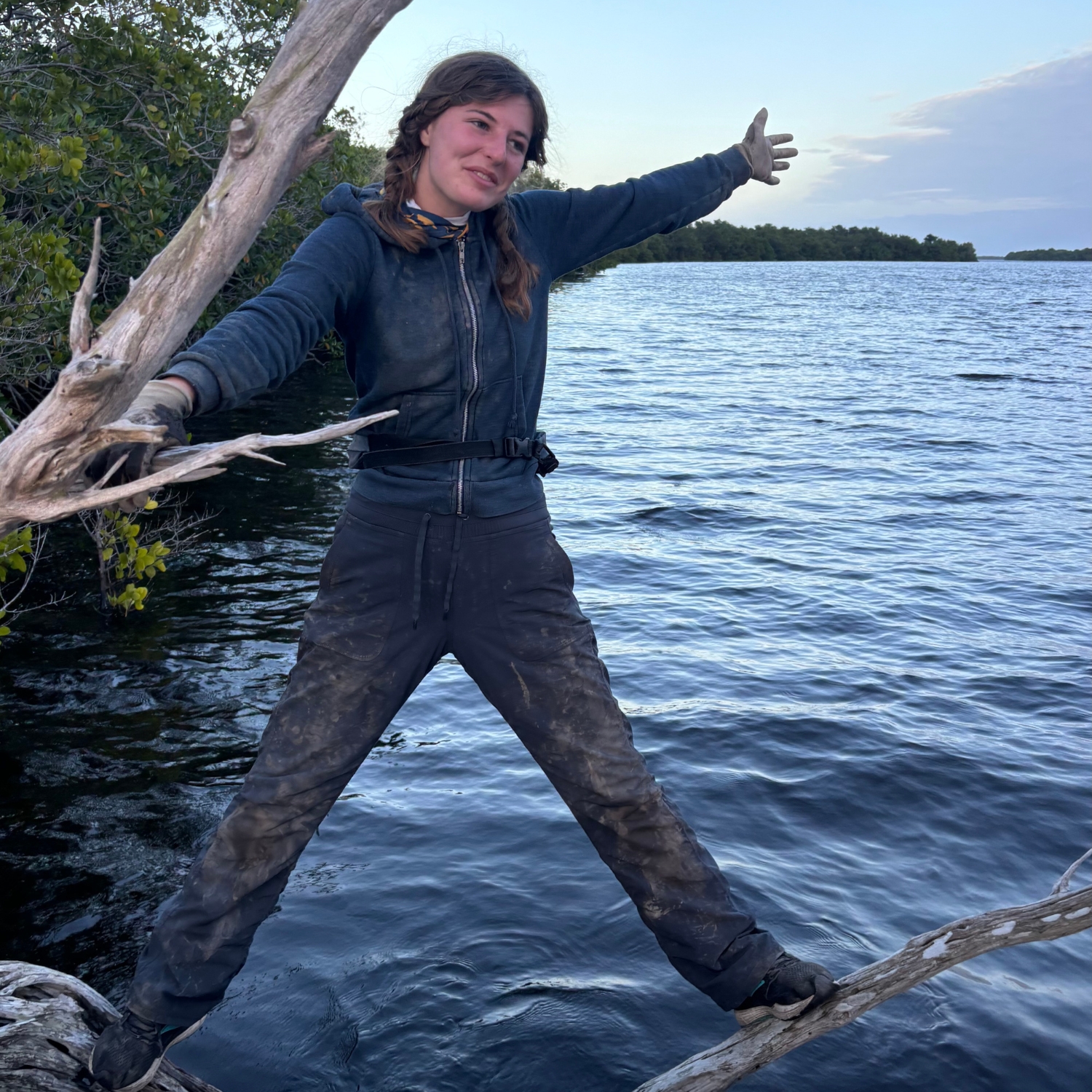
Meet Sophia Hemsi
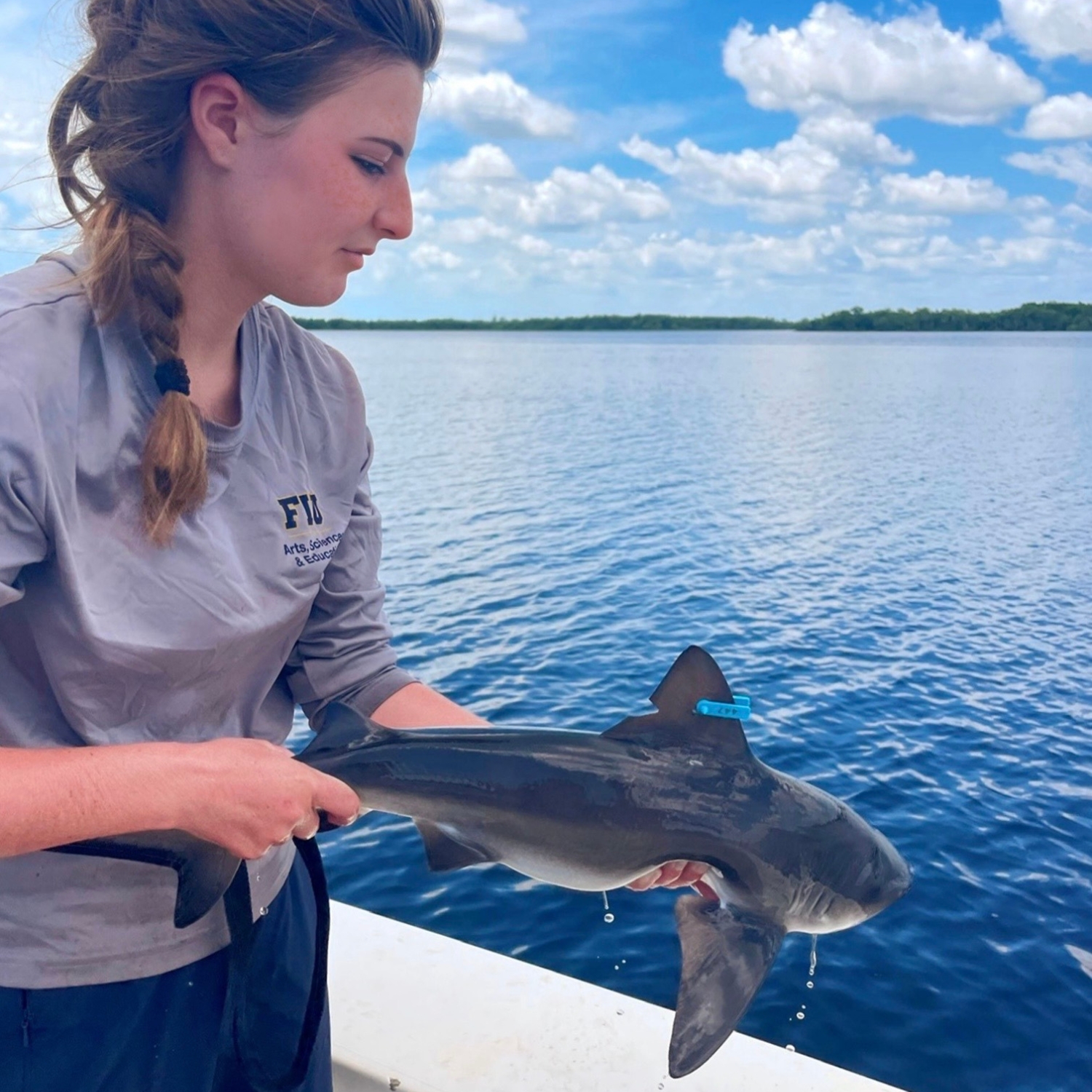
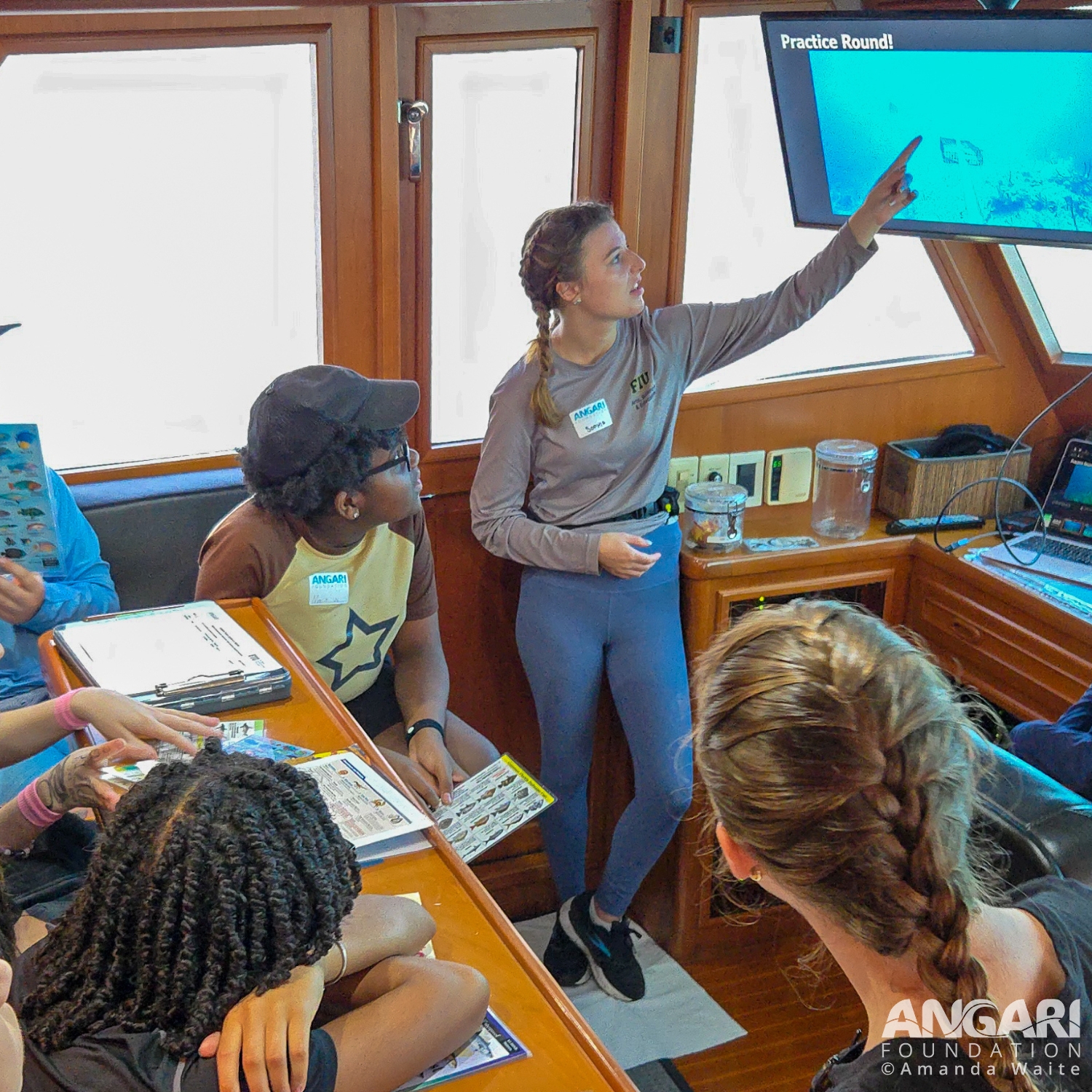
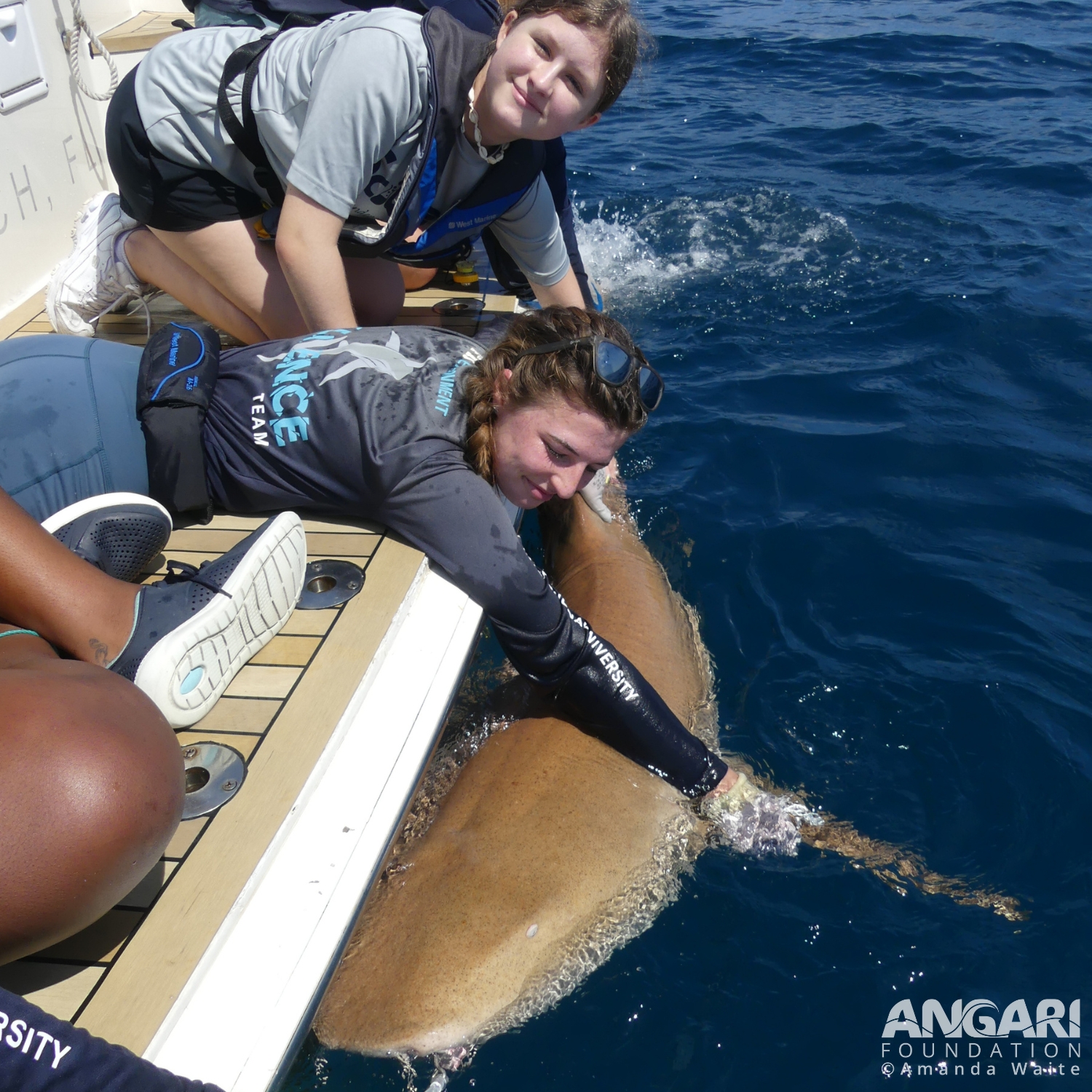
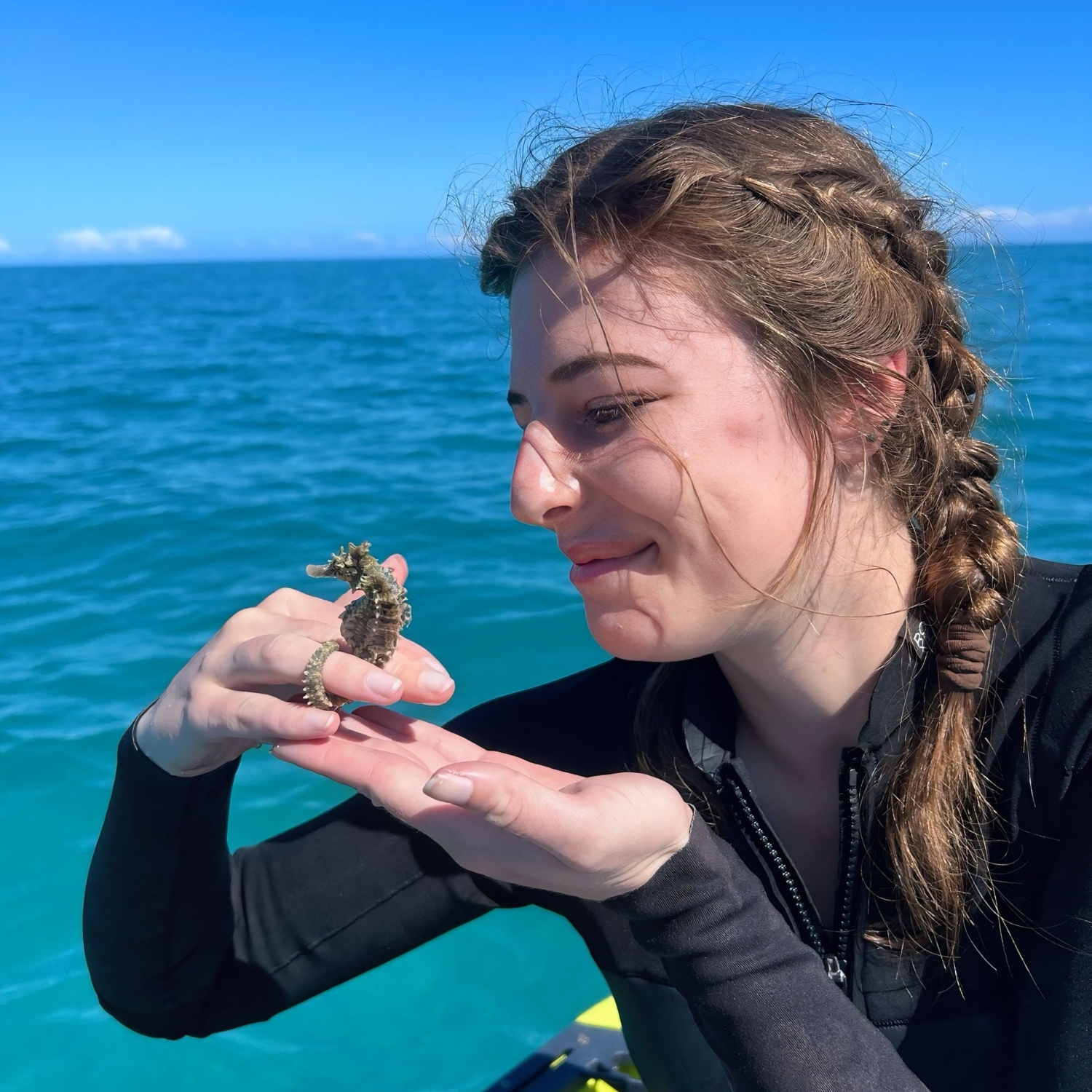
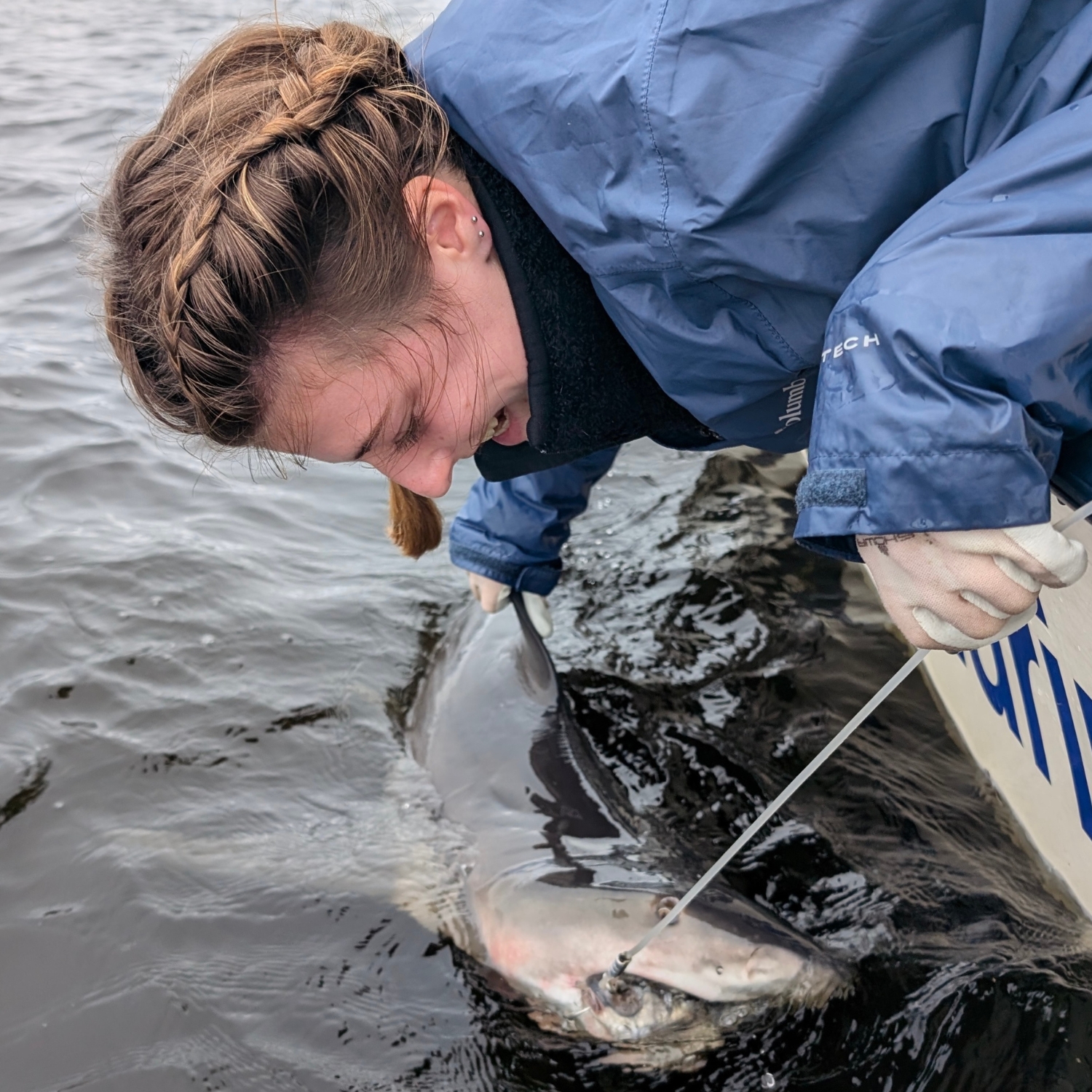
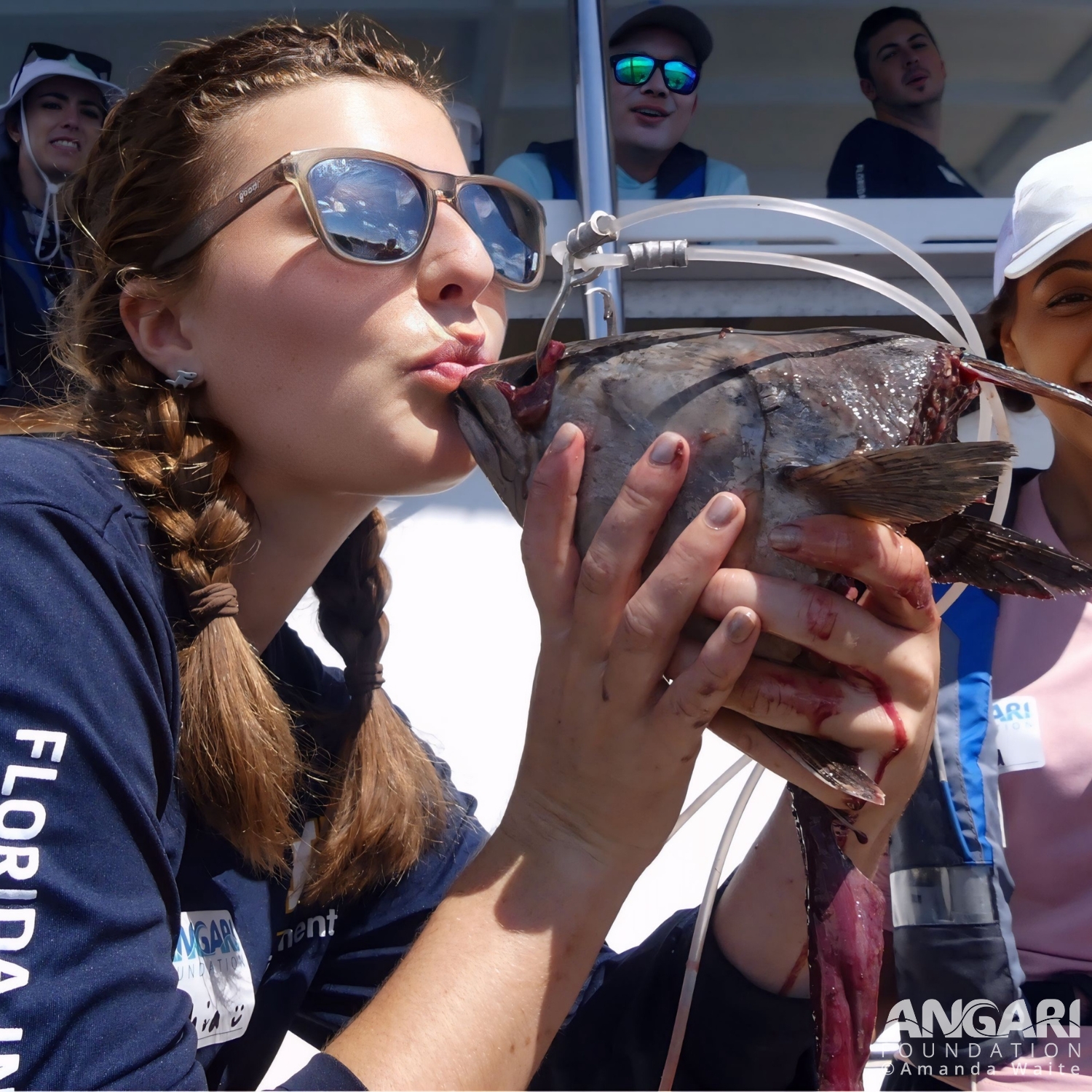
I’m a marine ecologist-in-training and new Ph.D. student at Florida International University, driven by a passion for uncovering the overlooked social lives of marine animals. Originally from the mountains of Colorado, I knew from a young age that my future belonged in the ocean. During my undergraduate years, I interned extensively with the Heithaus Lab and served as an FIU scientist with ANGARI Foundation, joining Coastal Ocean Explorers: Sharks expeditions from the very beginning. These experiences instilled in me a passion for marine fieldwork, research and science communication. My research has explored topics ranging from bull shark social dynamics in the Everglades to inter-island variation in Caribbean cetacean communities, and the foraging behavior of Southern Resident killer whales as a NOAA Hollings Scholar. Through all of it, I aim to bridge science and storytelling to foster environmental literacy and support marine conservation.
2025 B.S. in Marine Biology, Florida International University


Get To Know Sophia
I’m originally from Boulder, Colorado, to my lifelong dismay because for as long as I can remember I’ve been captivated by the ocean and its extraordinary inhabitants. Growing up landlocked only deepened that fascination. I would spend hours buried in the marine science section of my elementary school library, often skipping recess to devour every book I could find. Looking back, those early obsessions probably sparked my love for research and filled my brain with endless marine trivia (did you know tiger sharks can lose up to 30,000 teeth in their lifetime?!). Colorado also gave me my first hands-on experience with animals, an internship at the Denver Zoo. Despite my teenage reluctance to clean my own room (to my parents’ frustration), I absolutely loved scrubbing down the bat cave with bats swirling around me, tidying up after turtles and serving as the maid to a pack of very mischievous capuchin monkeys. Those experiences grounded my love of animal behavior and fieldwork in reality and fun.
Impossible question, but if I had to choose, I’d say octopuses (and yes, it’s octopuses, not octopi, since the word comes from Greek, not Latin!). They never cease to amaze me with their astonishing intelligence, problem-solving abilities and almost alien-like adaptability. From opening jars and navigating mazes to using tools and changing color and texture in milliseconds, octopuses blur the line between invertebrate and sentient enigma. There’s something both eerie and beautiful about the way they interact with their world – curious, observant and seemingly aware in a way we’re only beginning to understand. Studying them feels like peering into a parallel form of cognition, evolved entirely separate from our own. Every time I learn something new about octopuses, I walk away more awestruck— and with more questions than answers.
During my undergraduate, I jumped right into volunteering my time to help out labs at my university with their research, over 1,000 hours! I did an undergraduate thesis on the social lives of juvenile bull sharks in the Everglades, another on the community composition of whales and dolphins in islands in the Caribbean, and worked with the Southern Resident killer whales as a NOAA Hollings scholar. My dream job is to work as a research scientist at NOAA or the Mote Marine Lab.
Yes! I am a first-year Ph.D. student in Mike Heithaus’s lab at Florida International University and will study the behavioral and social ecology of marine predators.
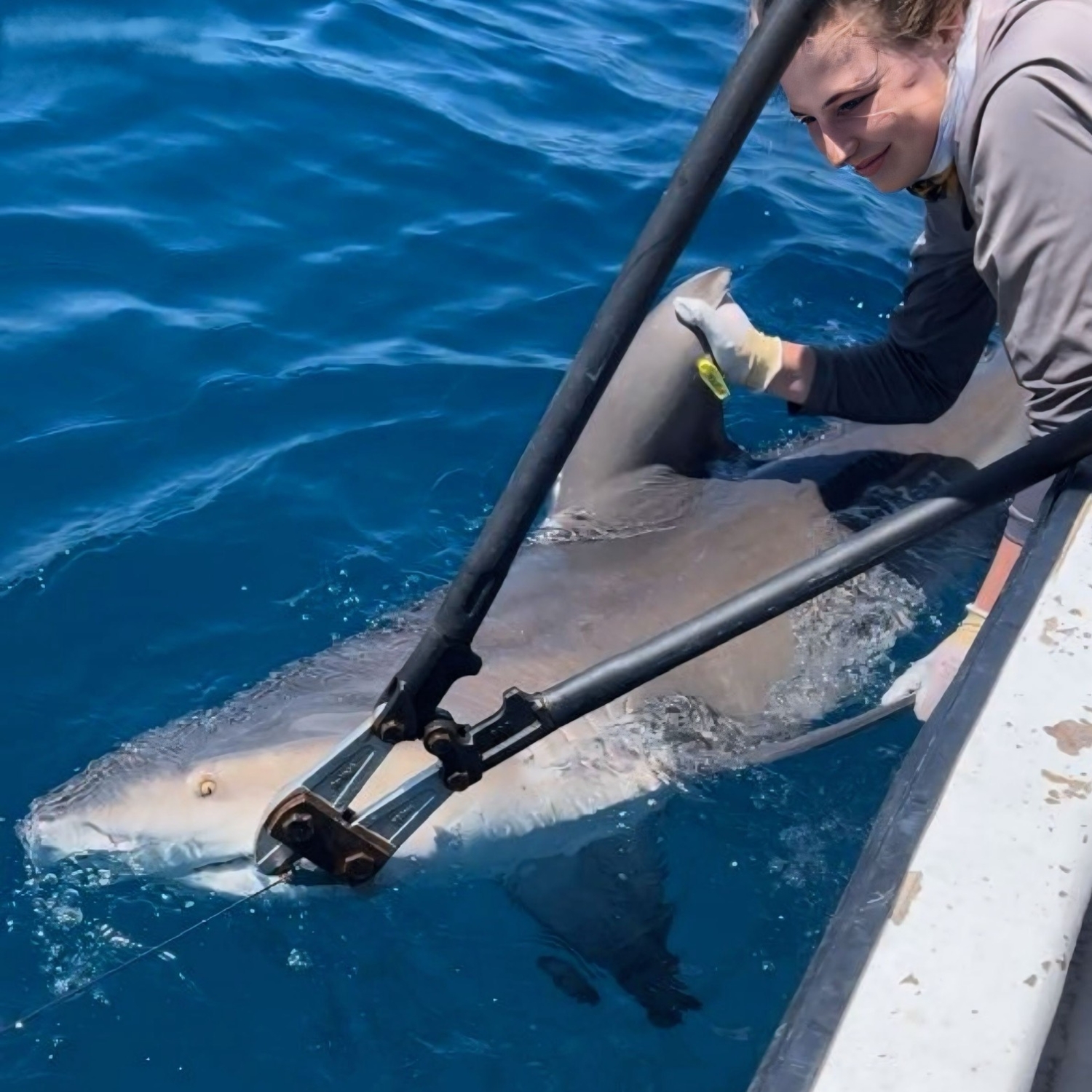
For me, one of the best parts of being a Ph.D. student is that there is no typical day! I have days where I wake up at 4:00 am to go shark tagging and come back at midnight, and many where I toggle between working in the lab and taking classes. You never know what the next day might bring!
It’s difficult to care about something you don’t understand or even know of. The more we can inspire people to learn about the world we all inhabit, the more inspired and prepared they will be to take care of it.
Research is an unbelievably rewarding thing for me, as I get to both aid in marine conservation and learn about and work to add to the vast body of knowledge about our world. The most challenging for me is managing all my responsibilities. I love to try to do a billion different cool projects at once, but it gets hard to balance, especially with having a personal life.
Besides the hundreds of hours I have spent helping others with their research, I also do lots of beach clean ups and volunteer with a street cat TNVR (Trap-Neuter-Vaccinate-Return) program here in Miami. When I was in high school I also volunteered at the Denver Zoo!
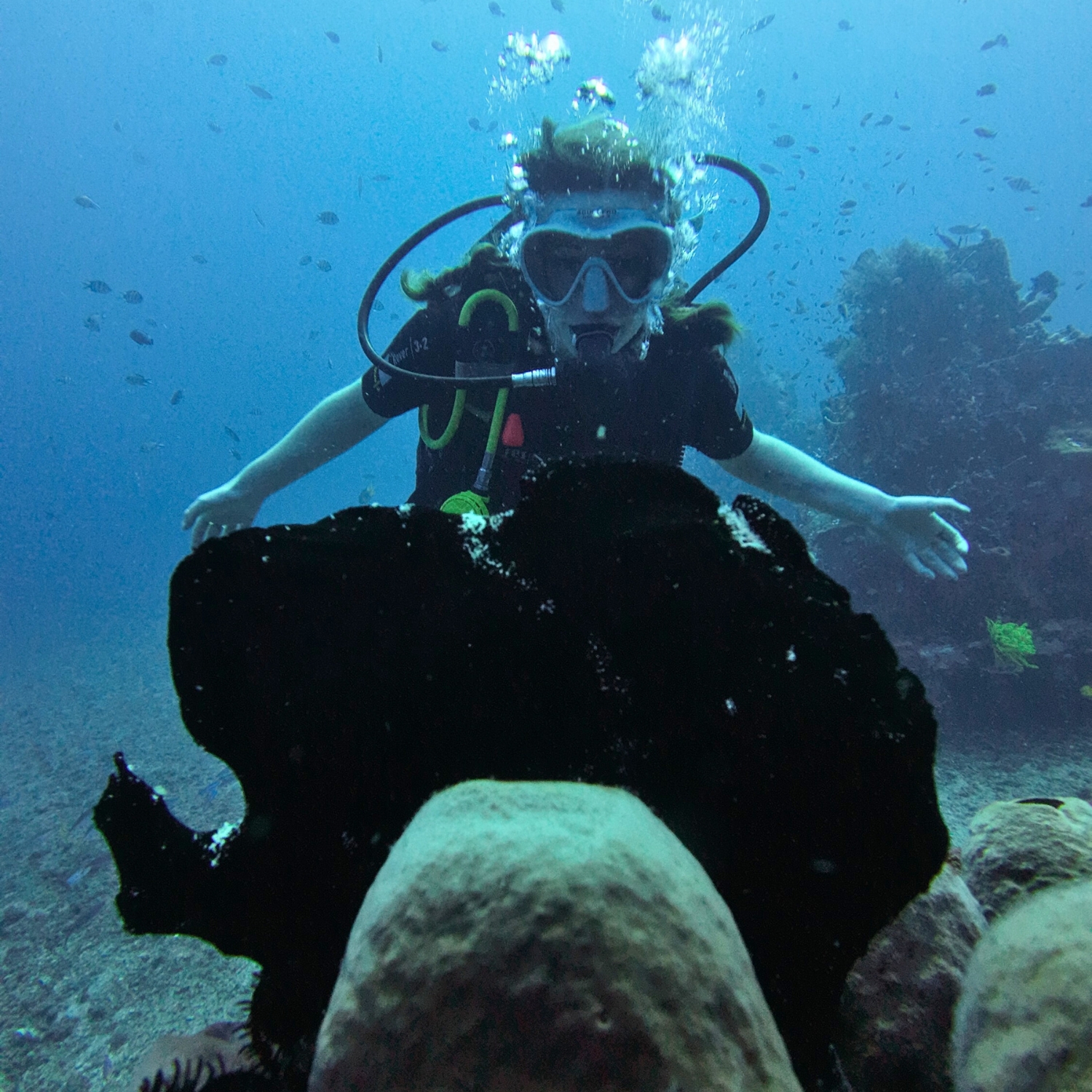
In my free time I love to dive or snorkel, travel, read, make art or play with my cats!
Just keep swimming! Perseverance matters more than any other skill.
My deep fascination with how profoundly different the experiences of marine animals are from our own drives me every day to learn more about the unique ways they perceive the world. The surprising ways in which we are the same enthrall me even more!
Interview conducted in August 2025