




Meet Sarah Rider
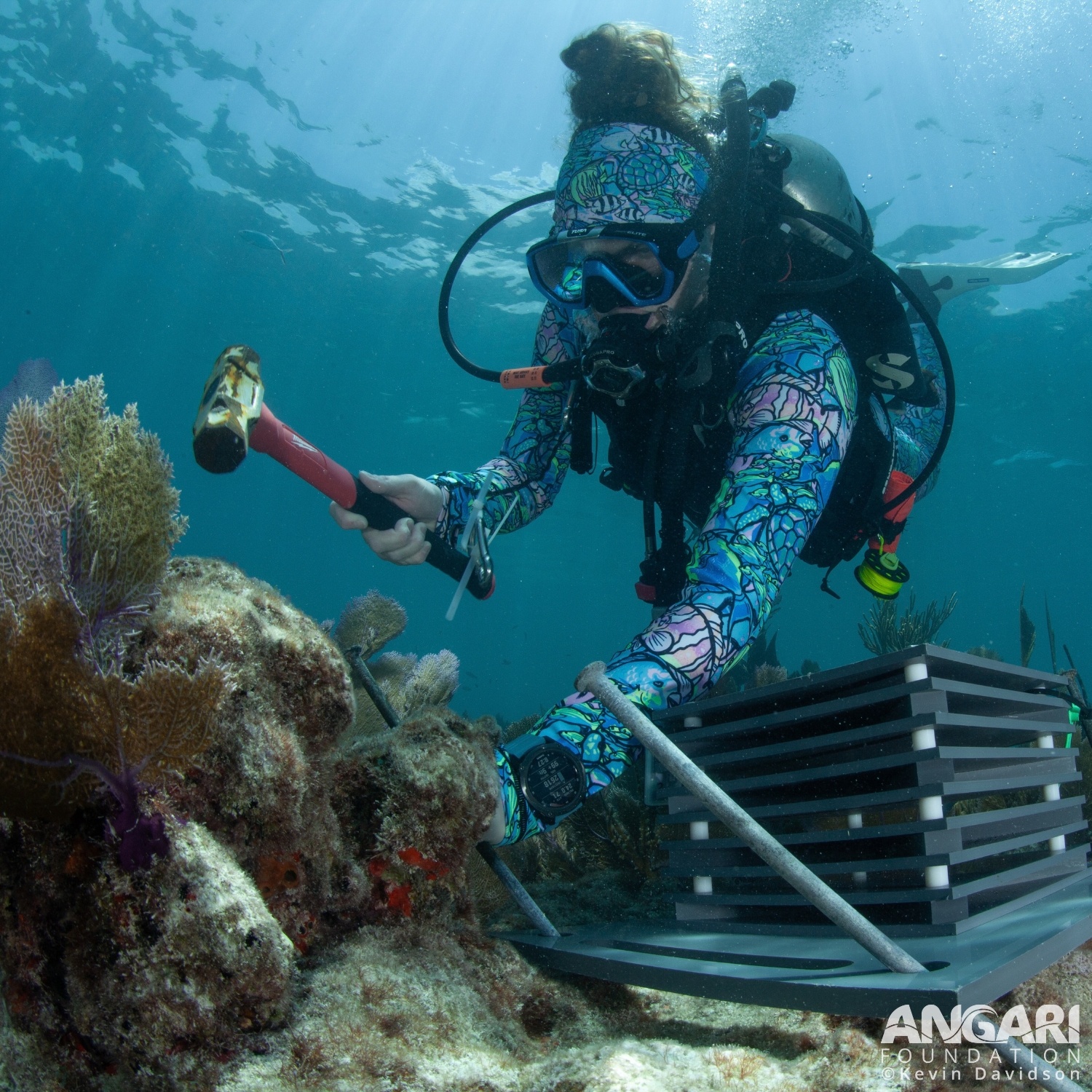
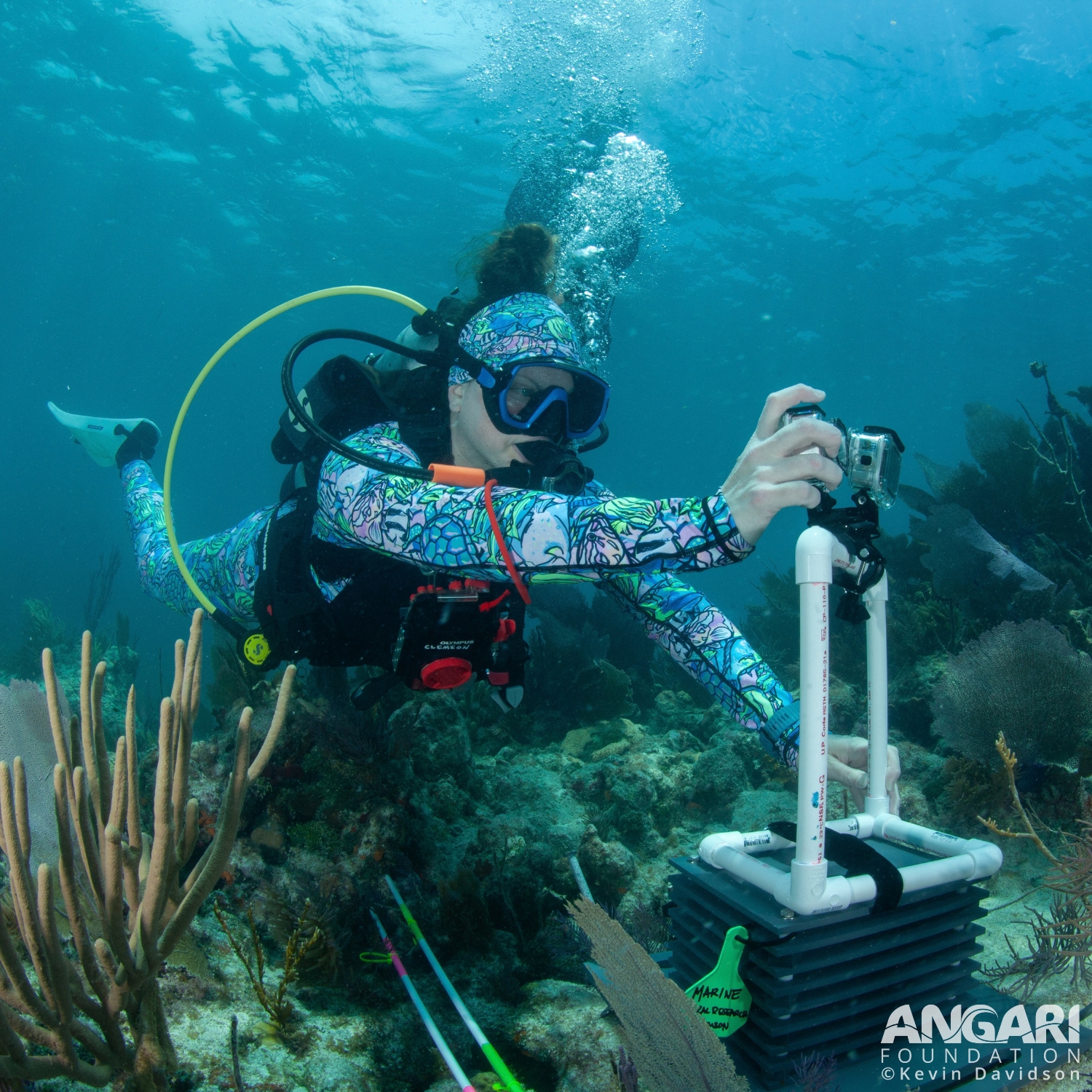
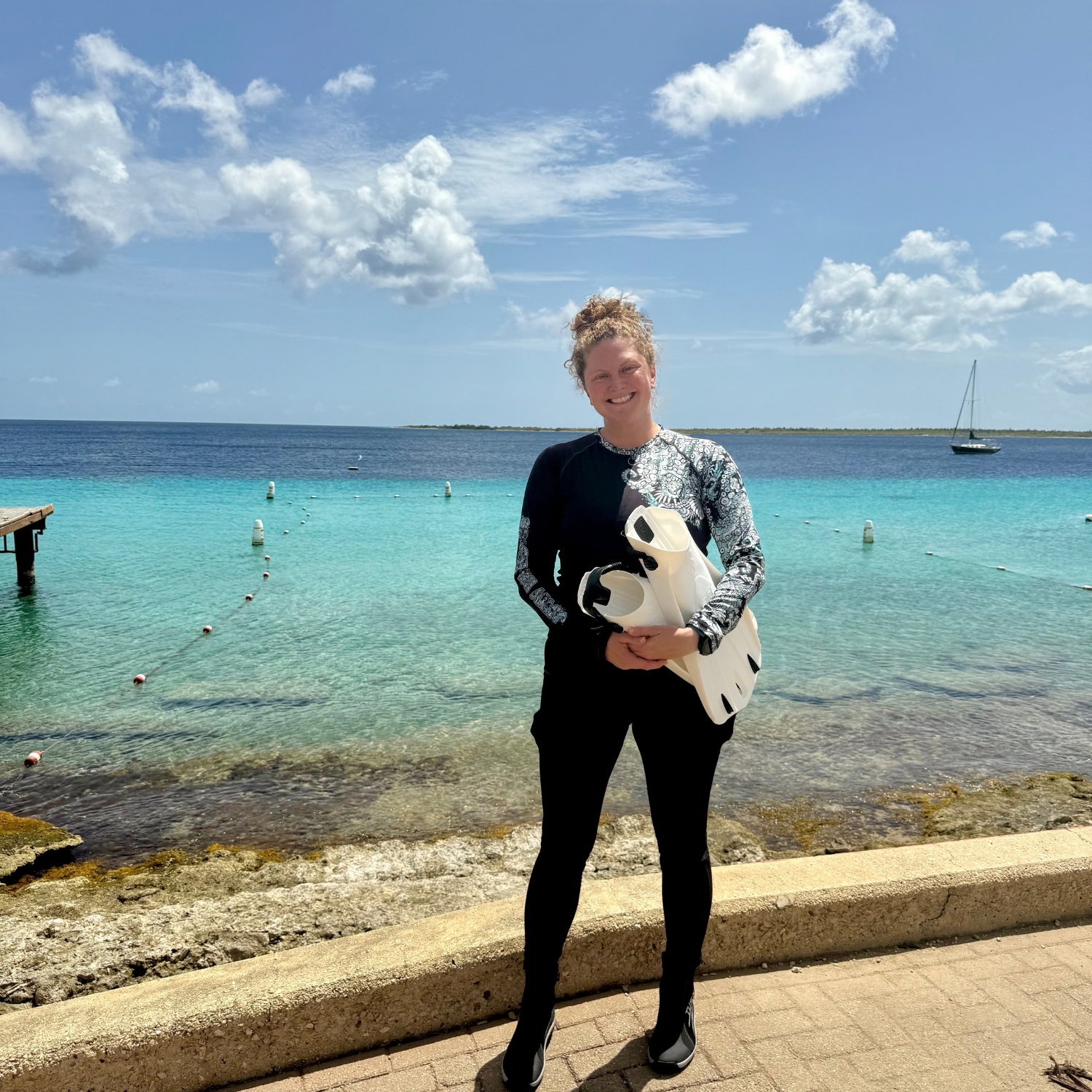
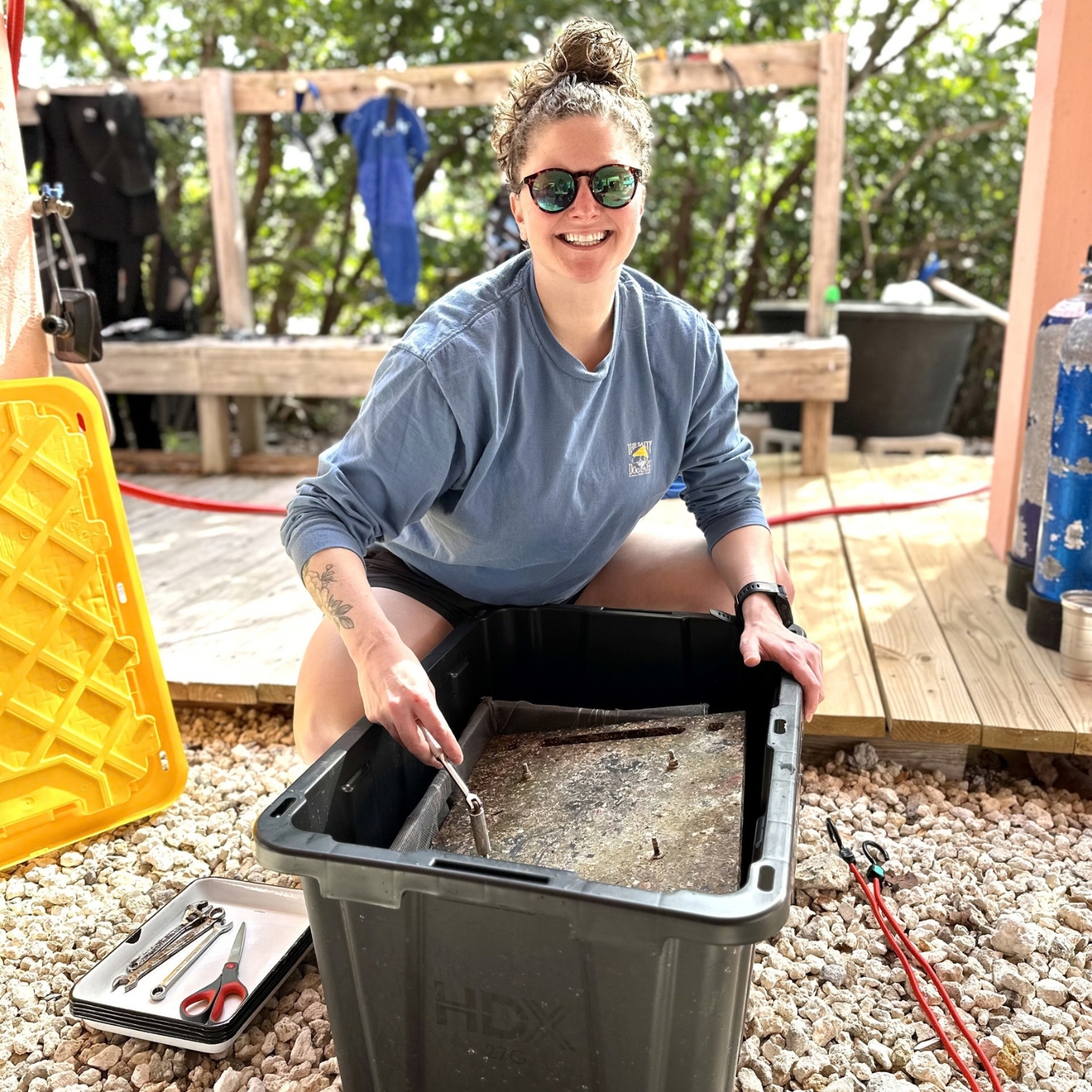
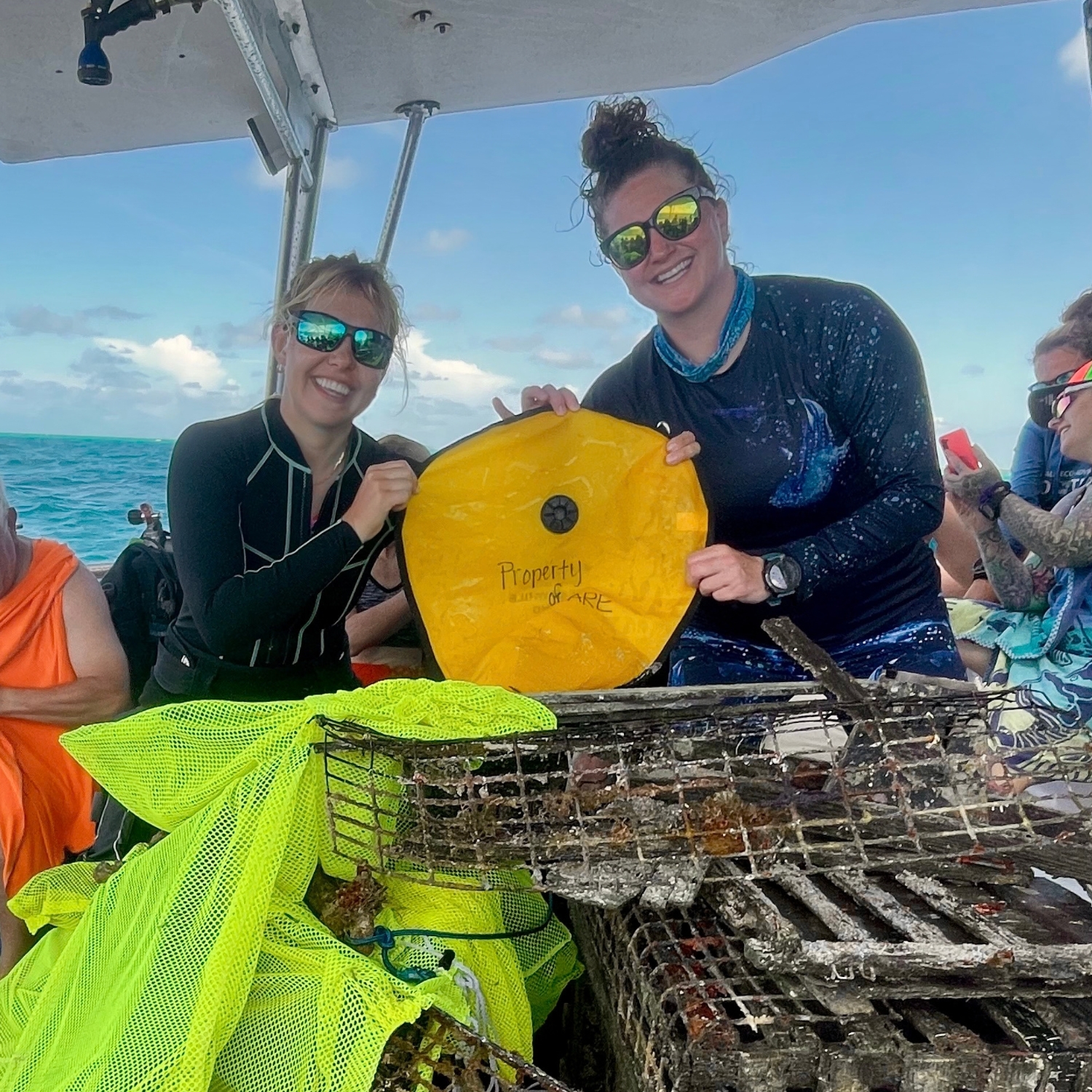
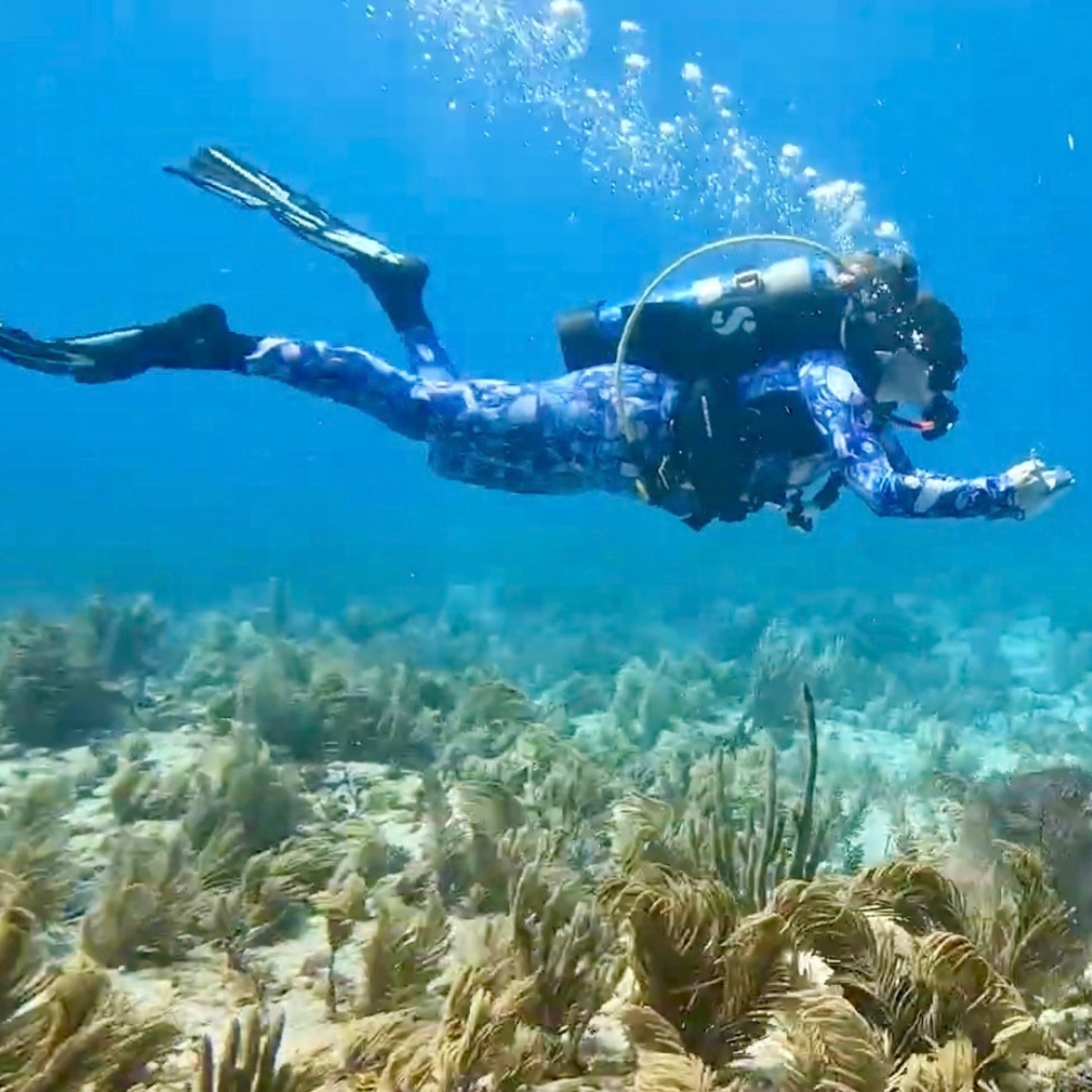
I am a third-year Ph.D. student in the Childress Lab for Marine Ecology at Clemson University in the Department of Biological Sciences. My research focuses on understanding how environmental conditions affect invertebrate and fish communities on coral reefs in the Florida Keys National Marine Sanctuary and Bonaire National Marine Park. Two of my favorite field methods involve SCUBA diving to photograph the seafloor for the purpose of creating 3D models of coral reef structures, and recording behavioral interactions between fish species. I am honored to be a 2024 National Science Foundation Graduate Research Fellowship Program award recipient. Prior to going back to school for my Ph.D., I worked for the U.S. Navy as a Marine Resources Specialist focusing on mitigating impacts from at-sea training and testing on marine mammals. My overall career goal is to aid in the conservation of endangered species and sensitive habitats. Outside of work, I love camping, hiking and traveling around the world!
2008 M.S. Environmental Management, Duke University
2004 B.S. Marine Science, Coastal Carolina University

Get To Know Sarah
I grew up in Kansas City and dreamt about becoming a marine biologist since before I can remember. I loved taking family road trips to visit my aunt and uncle in South Carolina every summer. We got to visit Hilton Head Island, which seemed like heaven to me. My love for South Carolina beaches is why I went to college at Coastal Carolina University as a Marine Science major!
I love killer whales because they are graceful, intelligent and mischevious.
I am in a Ph.D. program for Biological Sciences with a focus on Marine Ecology. I chose this field because it offers a combination of education and research experiences directly related to marine conservation and animal behavior.
After graduating from Coastal Carolina University, I wanted to gain a better understanding of how science is used to make environmental management decisions. I enrolled in a Master of Environmental Management program at Duke University’s Nicholas School of the Environment. My dream job is to manage a research program that enhances the best available science used to support policymaking.
A big part of my research focuses on cryptobenthic invertebrate communities in the Florida Keys National Marine Sanctuary. Cryptobenthic invertebrates are small (typically less than 3 inches) crabs, shrimps, worms and other critters that live hidden within crevices of coral reefs. They are critically important to coral reef health because they comprise the base of reef food webs. We currently have little understanding of how cryptobenthic invertebrate communities are affected by environmental conditions, such as temperature and reef structural complexity. Improving our understanding of community dynamics will help inform coral reef management initiatives, such as coral restoration. I enjoy this area of work because it combines two things I love: SCUBA diving and ocean conservation.
A typical day in the life of a Ph.D. student involves an early wakeup, reading before class, attending classes and seminars, teaching undergraduate science labs, studying and working on research tasks, such as fieldwork design and data analysis.
The most rewarding aspect of my work has been successfully completing field seasons. The sense of accomplishment that comes after months of hard work and planning is incredible! The most challenging part for me is work/life balance, because there are always more tasks I want to accomplish than there are hours in the day.
Preserving live coral cover and coral reef biodiversity is a complex issue that is at the forefront of marine protected area management initiatives around the world. The National Oceanic and Atmospheric Administration (NOAA) founded a coral restoration program in the Florida Keys National Marine Sanctuary in 2019 known as Mission: Iconic Reefs. The goal of Mission: Iconic Reefs is to revive coral populations at seven reefs that have faced declines in coral cover due to marine heat waves, disease events and exposure to other stressors. The seven Mission: Iconic Reefs include Carysfort Reef, Horseshoe Reef, Cheeca Rocks, Sombrero Key, Newfound Harbor, Looe Key and Eastern Dry Rocks. The program’s focus on restoring resilient coral species is important for helping to preserve the United States’ largest barrier reef system into the future.
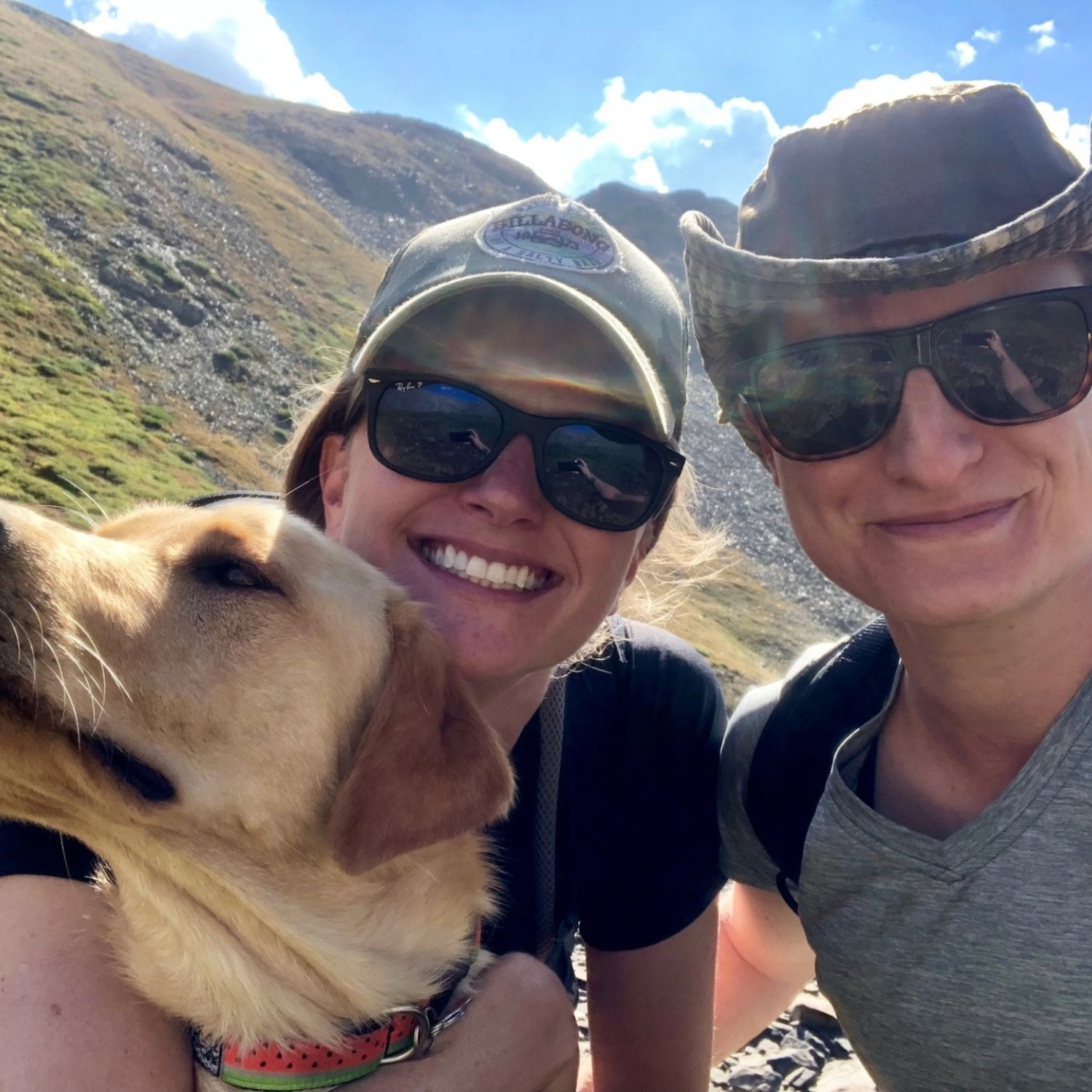
In my spare time I love camping, hiking, traveling around the world and hanging out with my friends and family.
My advice for others thinking about entering a Ph.D. program or career in marine science is: This is a wonderful community filled with supportive people and a lot of amazing opportunities. Work hard, stay focused and remember that you can do hard things!
I feel so fortunate that I’ve been able to pursue my dreams, thanks to the support of my family. Knowing that I have the opportunity to contribute something positive to the ocean, with the hope that future generations will get to enjoy its beauty as much as I have, keeps me motivated.
Interview conducted in September 2026