



Meet Philip Gravinese
I received my B.S. and M.S. degree in Marine Biology from Florida Institute of Technology in 2003 and 2007, respectively. I then left academia for 5 years to teach biology and integrated science in Florida’s public school system before returning to Florida Tech where I earned my Ph.D. in Biology in 2016. I then completed a 3-year post-doc in the Fisheries Ecology and Enhancement Program at Mote Marine Laboratory and Aquarium from 2017-2020. Now, I am an Assistant Professor of Marine Science at Eckerd College in St. Petersburg, Florida.
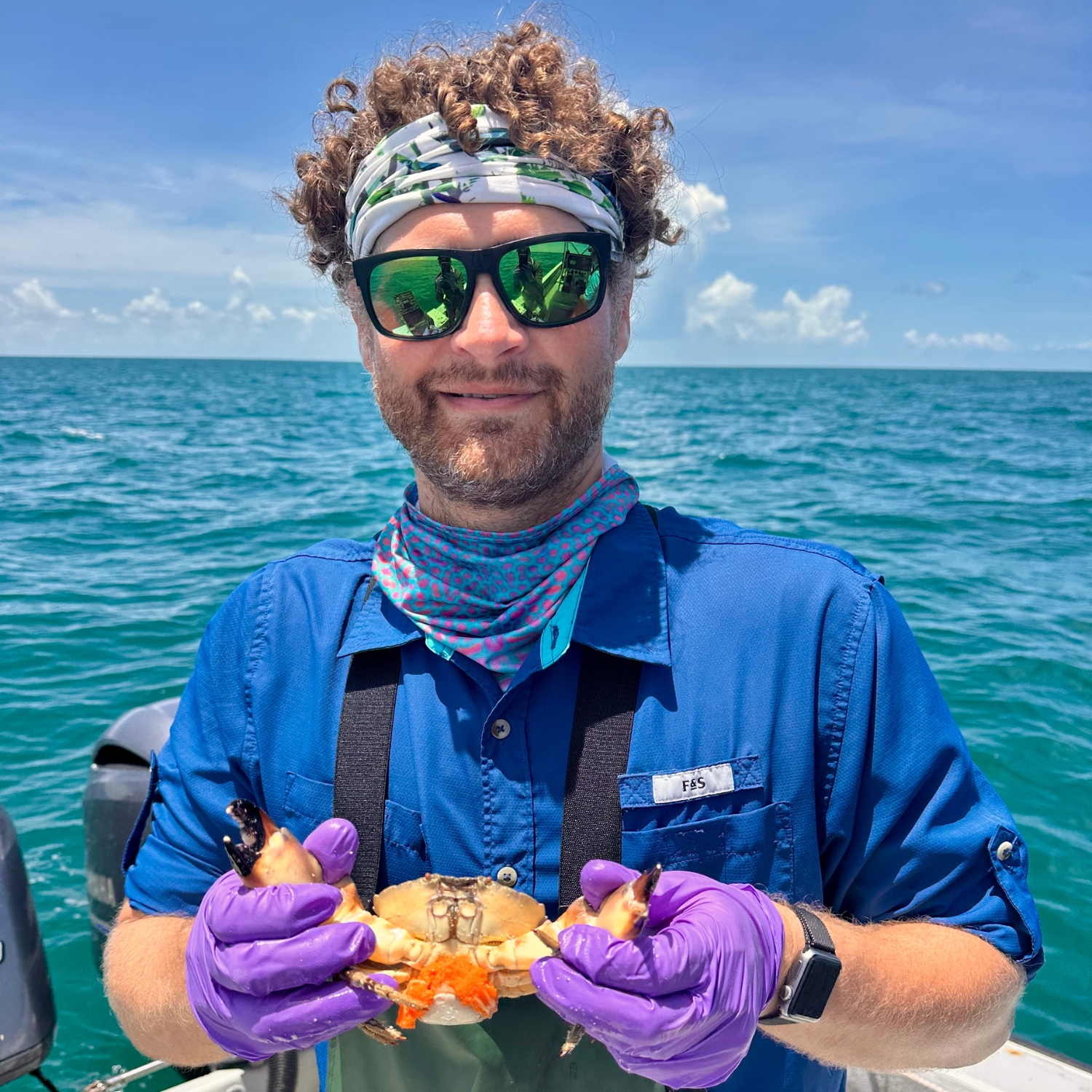
My research is aimed at determining how both singular and simultaneous environmental stressors, like ocean acidification, elevated temperature, hypoxia and toxic algae (red tide), impact the early life history stages of marine invertebrates. Specifically, my research focuses on understanding how these environmental stressors may affect the physiology and behavior of Florida’s commercially and ecologically important crustaceans, including stone crabs, spiny lobsters and more recently the Caribbean king crab. In my spare time, I run a volunteer-based non-profit called Youth Making Ripples, which challenges K-12 and college students to create short marine science films that promote marine conservation.
2016 Ph.D. Biology, Florida Institute of Technology
2007 M.S. Marine Science and Biology, Florida Institute of Technology
2003 B.S. Marine Biology, Florida Institute of Technology

Get To Know Philip
I am originally from just outside of Philadelphia, PA. I received my B.S., M.S. and Ph.D. in marine biology from Florida Tech, completed my Post-doc at Mote Marine Lab, taught for 2 years at Florida Southern College, and am now an Assistant Professor in Marine Science at Eckerd College.
Earlier life stages for many species are usually more sensitive to environmental stressors because they are still developing the physiological mechanisms to tolerate environmental variability. If those early life stages cannot survive, then that creates a break in the species life cycle and could result in loss of a species.
I grew up fishing and crabbing with my grandfather in South Jersey. That was my link to the ocean. When I went to Florida Tech, I was assigned a mentor who also worked with crustaceans and so continued to pursue them as a research organism.
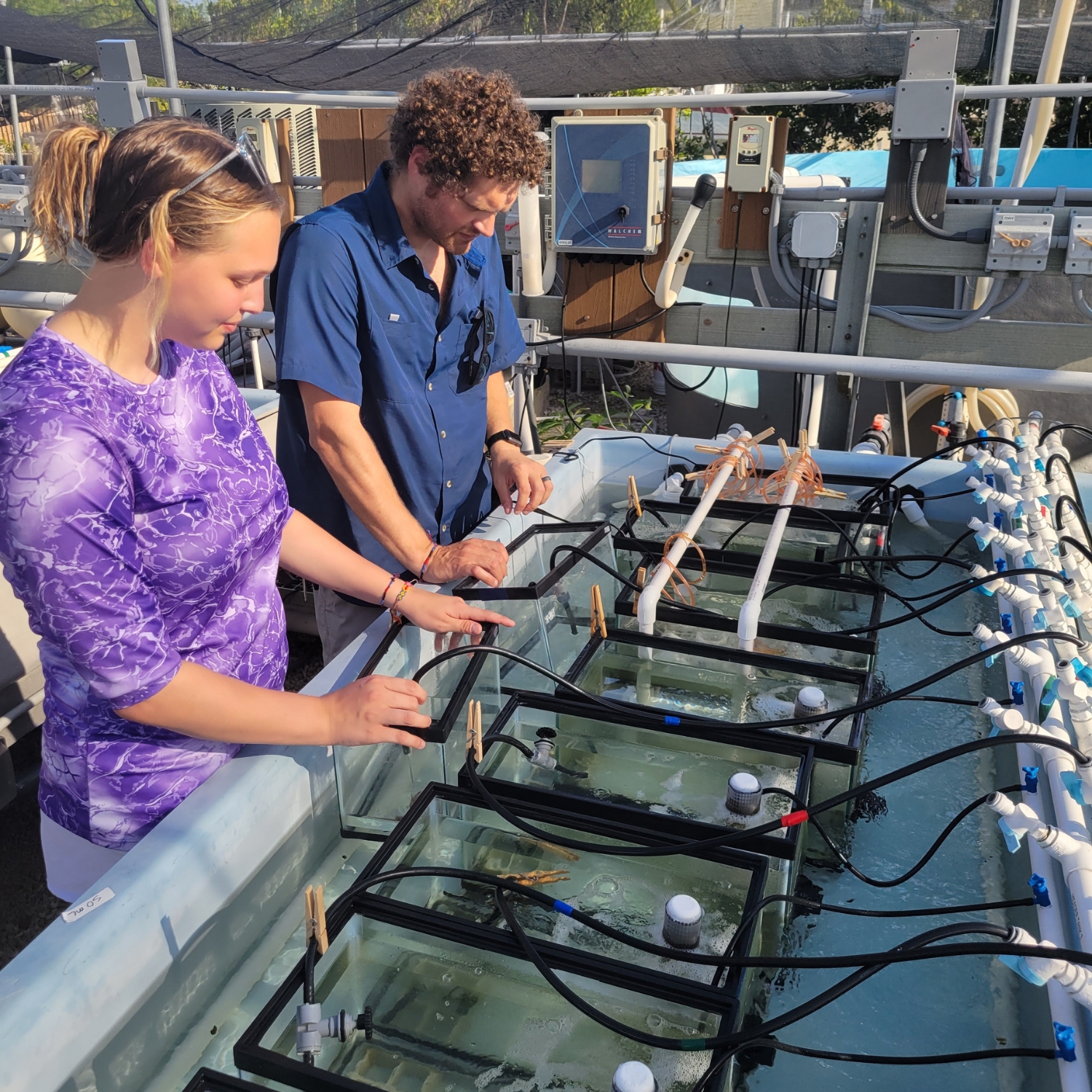
Ocean pH is definitely the most difficult. This is because there are so many variables that can modify pH, and it has to be precisely controlled to do laboratory experiments.
I would say my most unexpected finding is that stone crab larvae alter their swimming direction from up to down when they are exposed to reduced pH conditions.
It has taught me that we still have a lot to learn, and that our ecosystems are so fragile. Science has also shaped me in thinking about creative ways to tackle a problem.
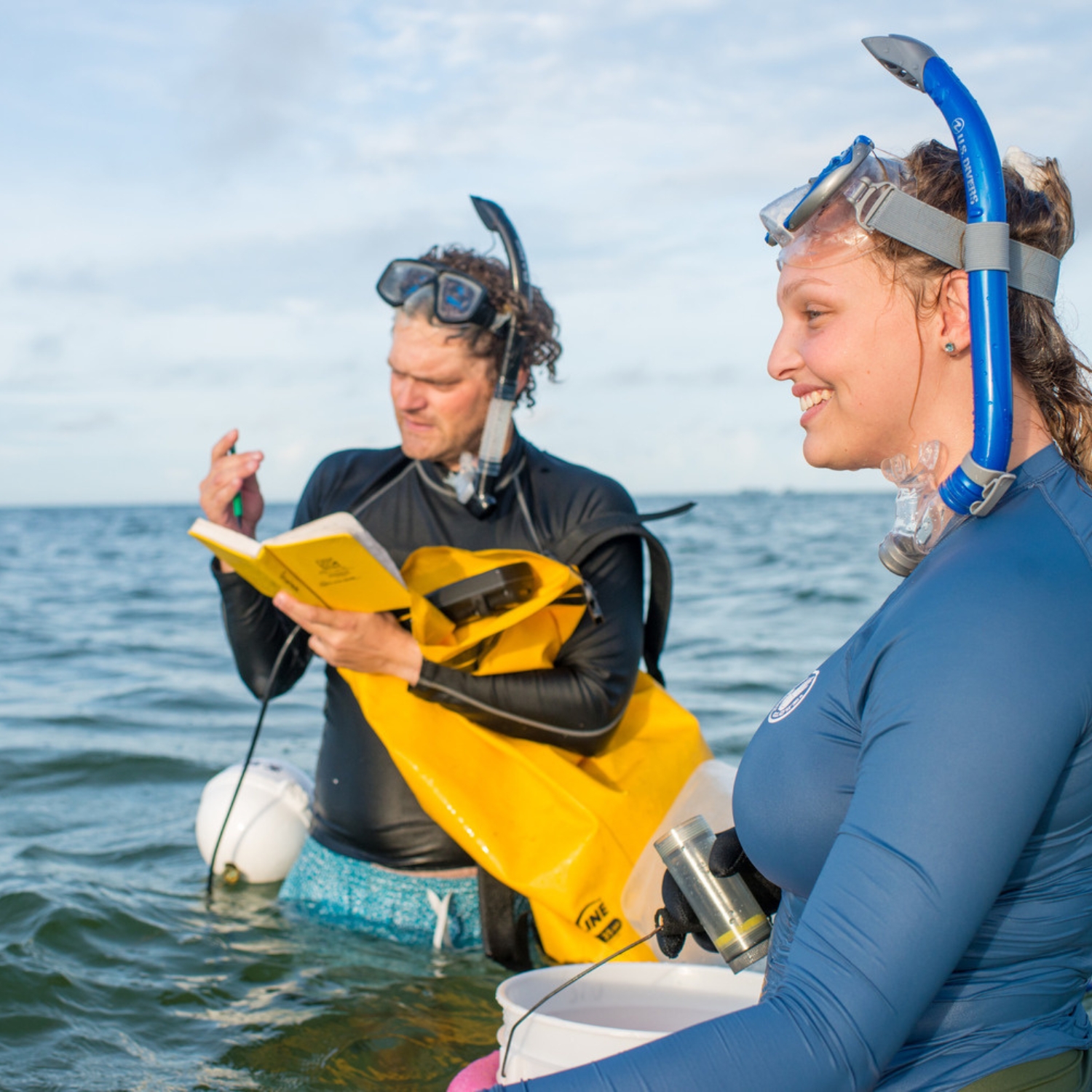
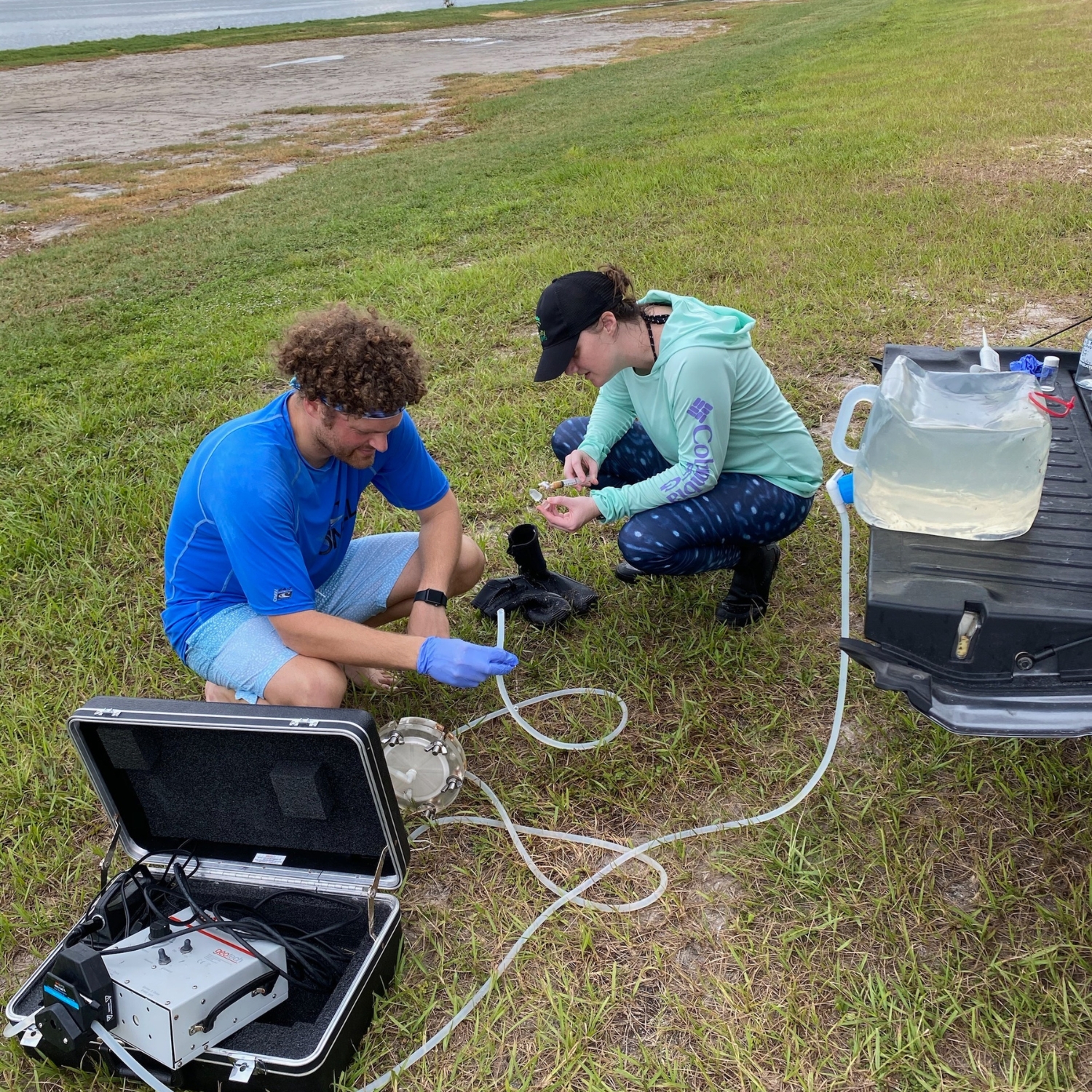
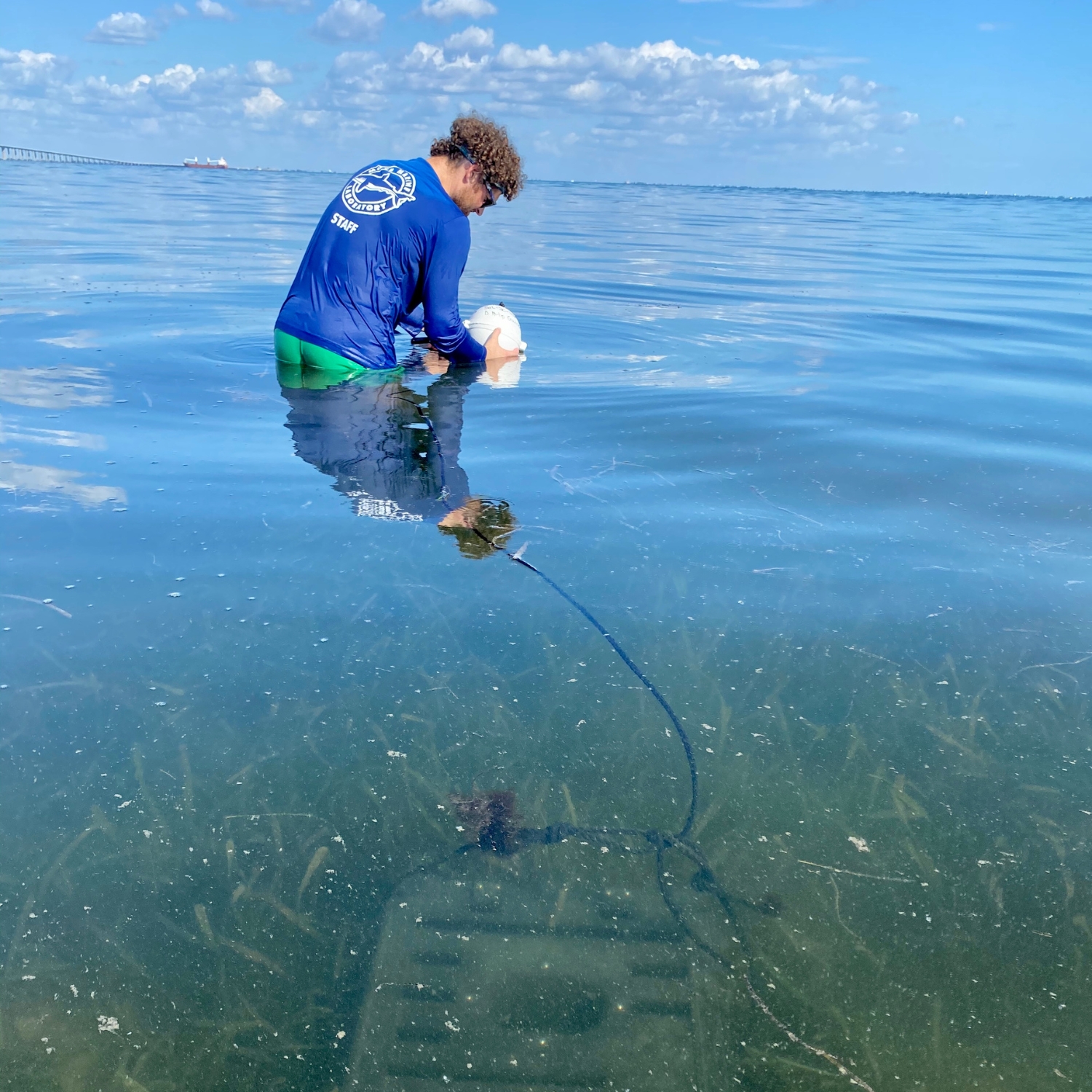
Both, our research is cyclical so we have a heavy field season during the summer, and then transition into the lab during the winter. It helps to keep everyone engaged and is a good change of pace.
The best part for me is definitely getting to work with undergraduates and help train the next generation of scientists.
The most rewarding part of being a scientist is seeing my students succeed! The most challenging part is seeing so many species and ecosystems continue to decline in health.
An octopus – they have so many unique adaptations.
Find a great mentor and seek hands-on experience in a lab doing research.
Interview conducted in November 2025