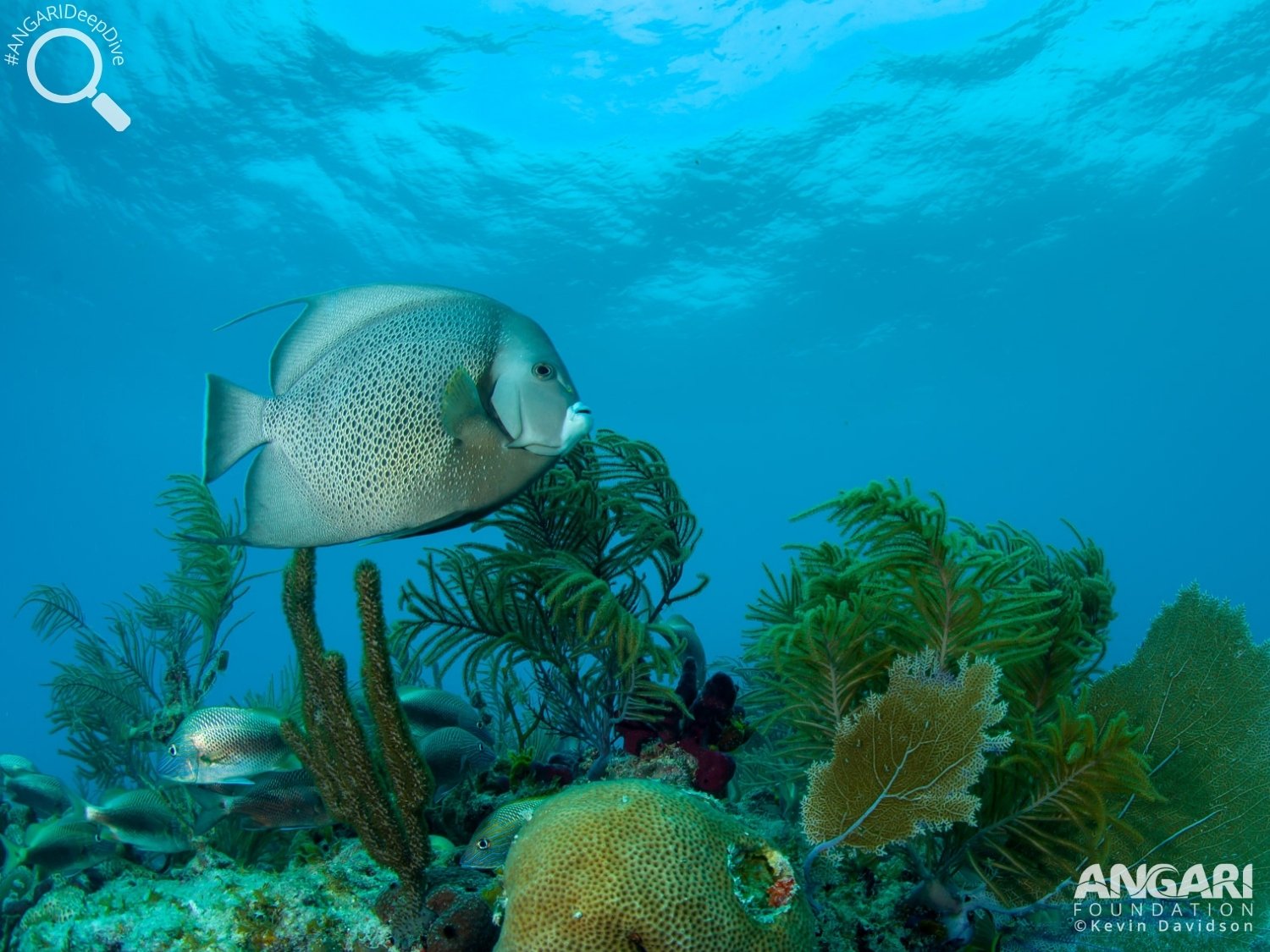
Gray angelfish are found on coral reefs in the western Atlantic Ocean and can be identified by their shiny gray body with yellow pectoral fins.

By-The-Wind Sailor (Velella velella)
Often spotted on the ocean’s surface, a sail can be found floating along on the surface of the water! However, these little sails are actually called by-the-wind sailors and vary in color from blue to purple. To travel, these creatures rely on the wind to get around, so sail further down this page to learn more about by-the-wind sailors!
#1: What size are by-the-wind sailors?
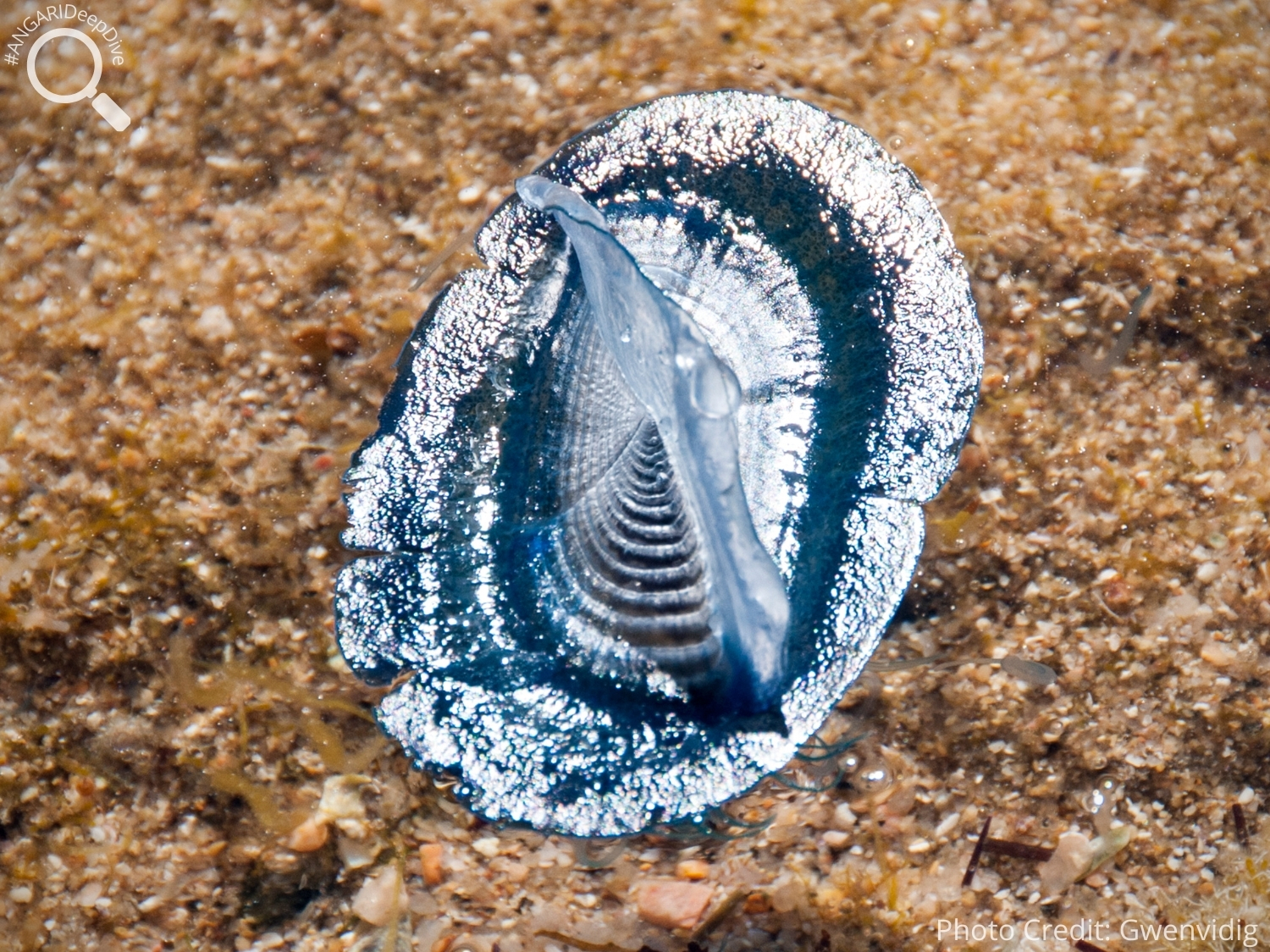
By-the-wind sailors are about 3 to 4 inches (7.62-10.16cm) long. They also have a flexible 2-inch (5.08 cm) high triangular “sail” attached to it! However, at birth, by-the-wind sailors are less than 2 millimeters long, which is half the size of a grain of rice!
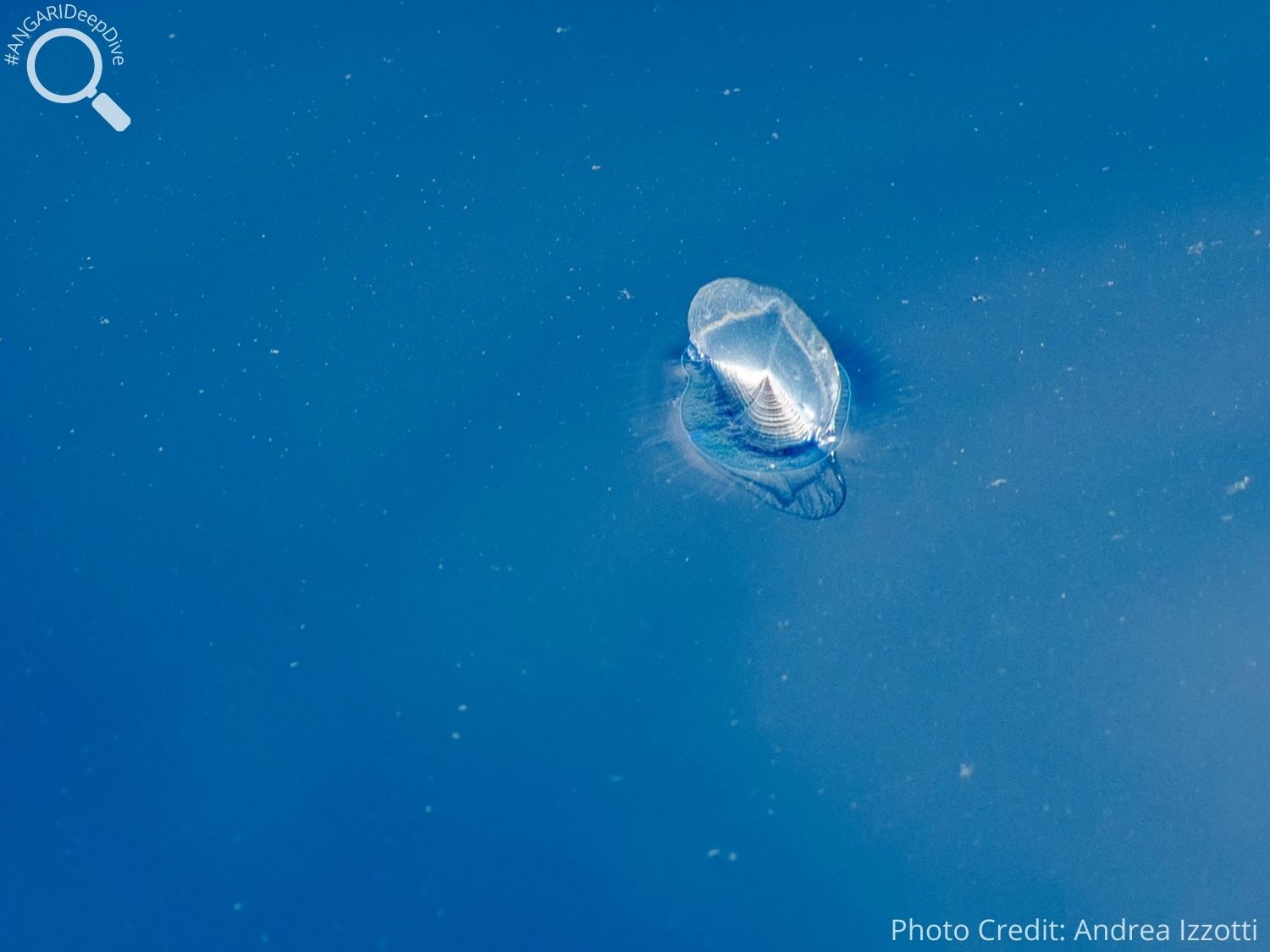
#2: The S-shaped sail of a by-the-wind sailor.
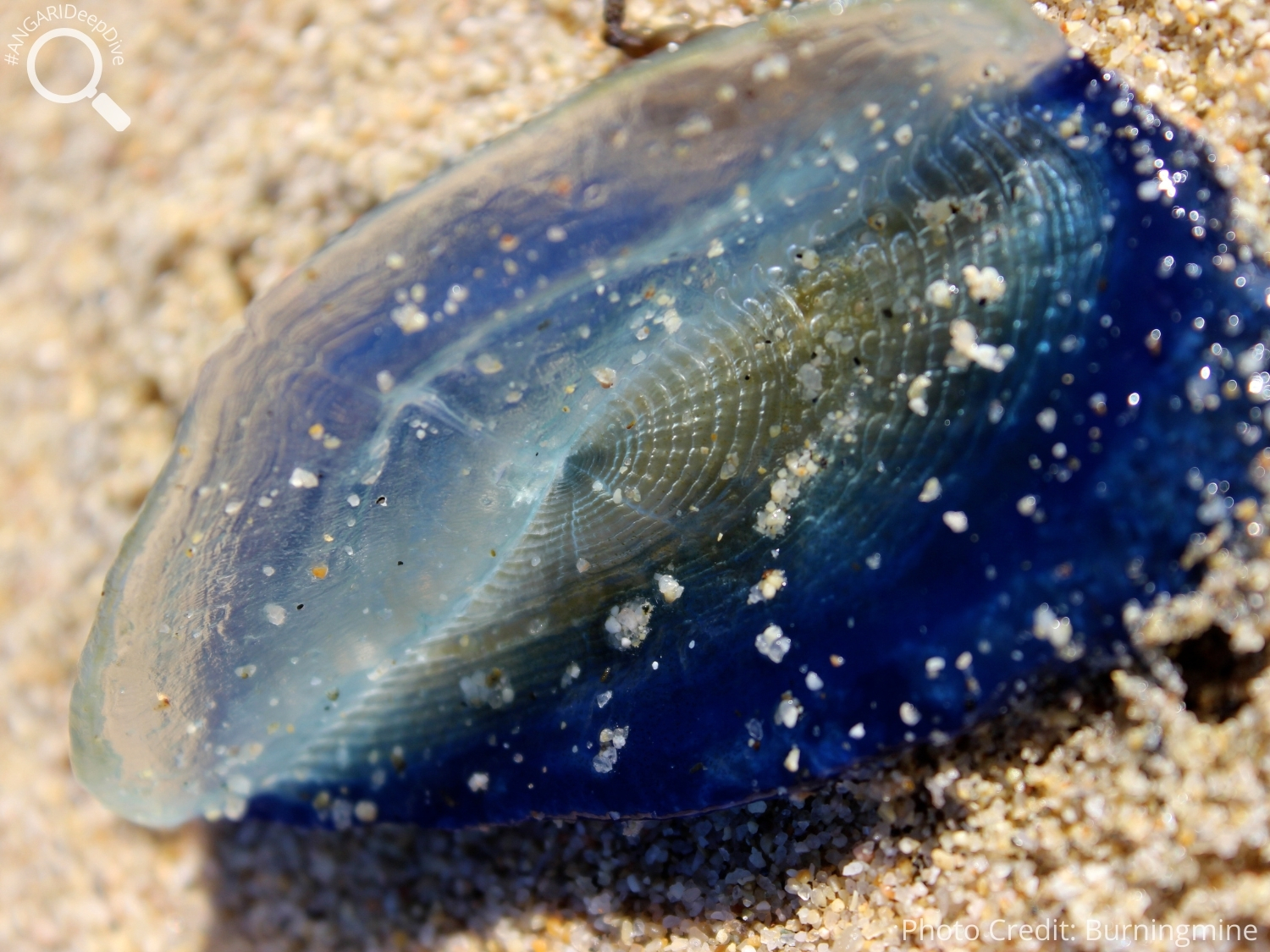
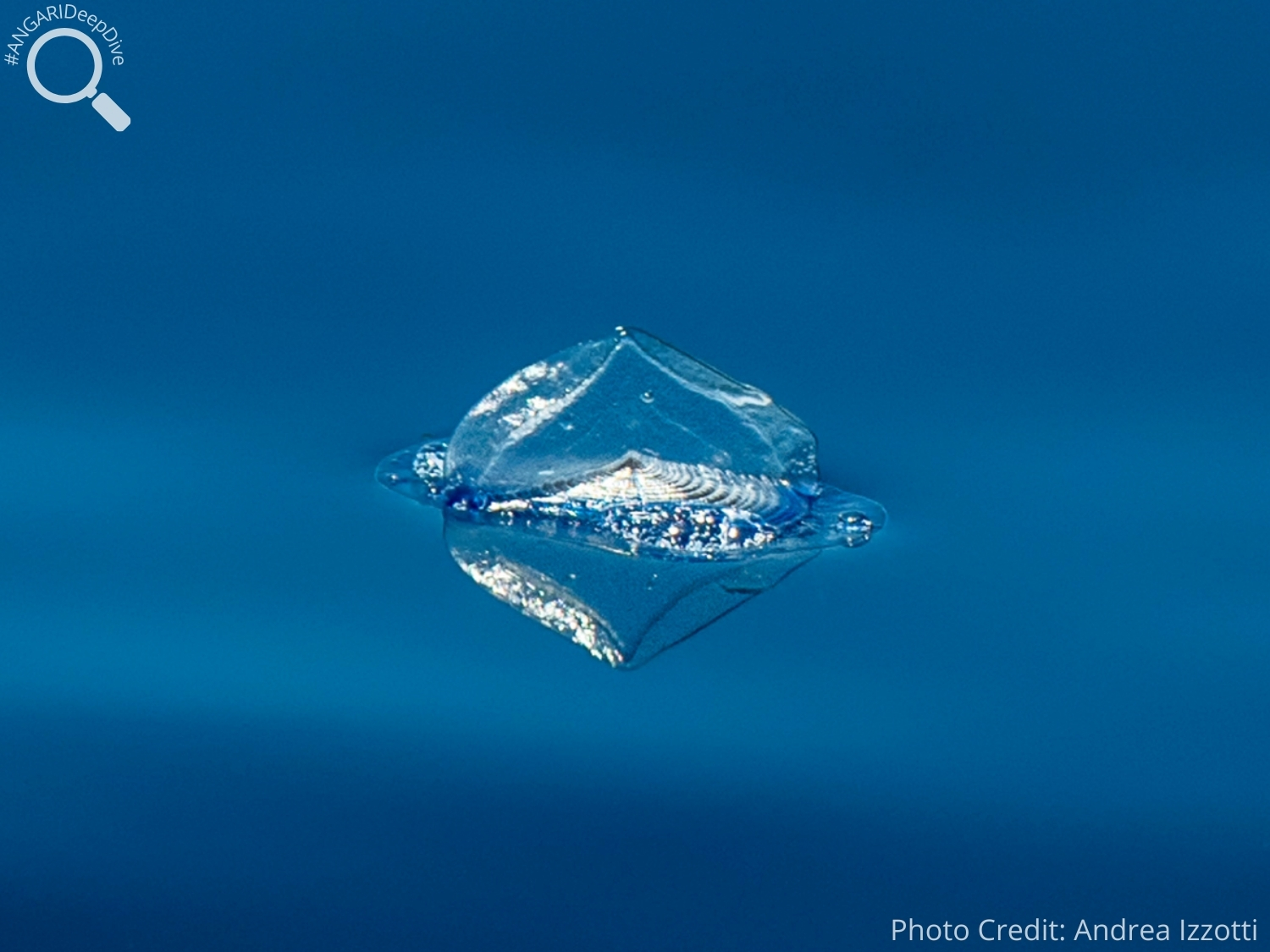
By-the-wind sailors are oval-shaped and flat. Their sail is S-shaped and attached to the main body, also known as the float, at a diagonal angle. However, these creatures don’t actively use their sails to navigate.
#3: What happens to a by-the-wind sailor when it dies?
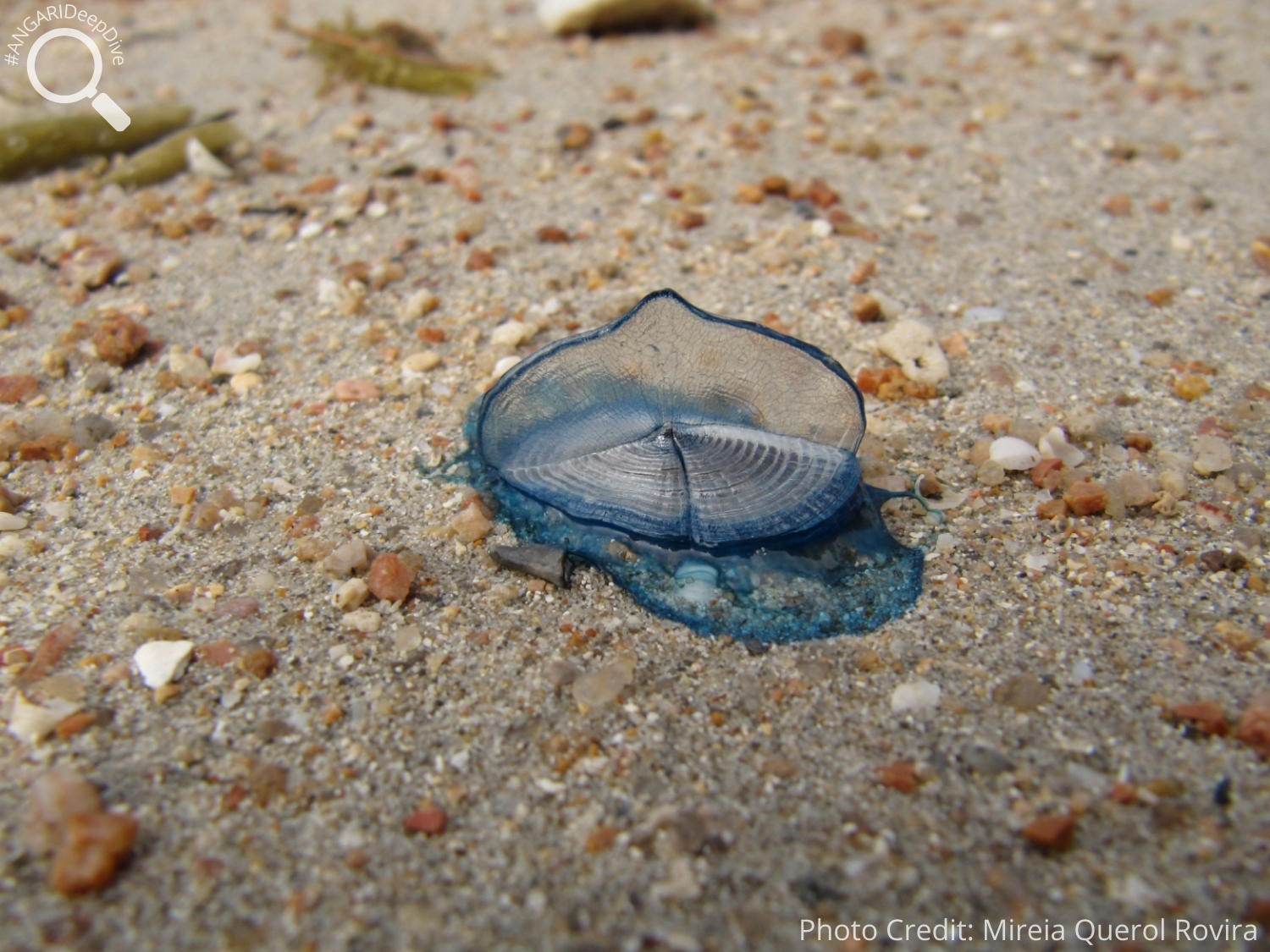
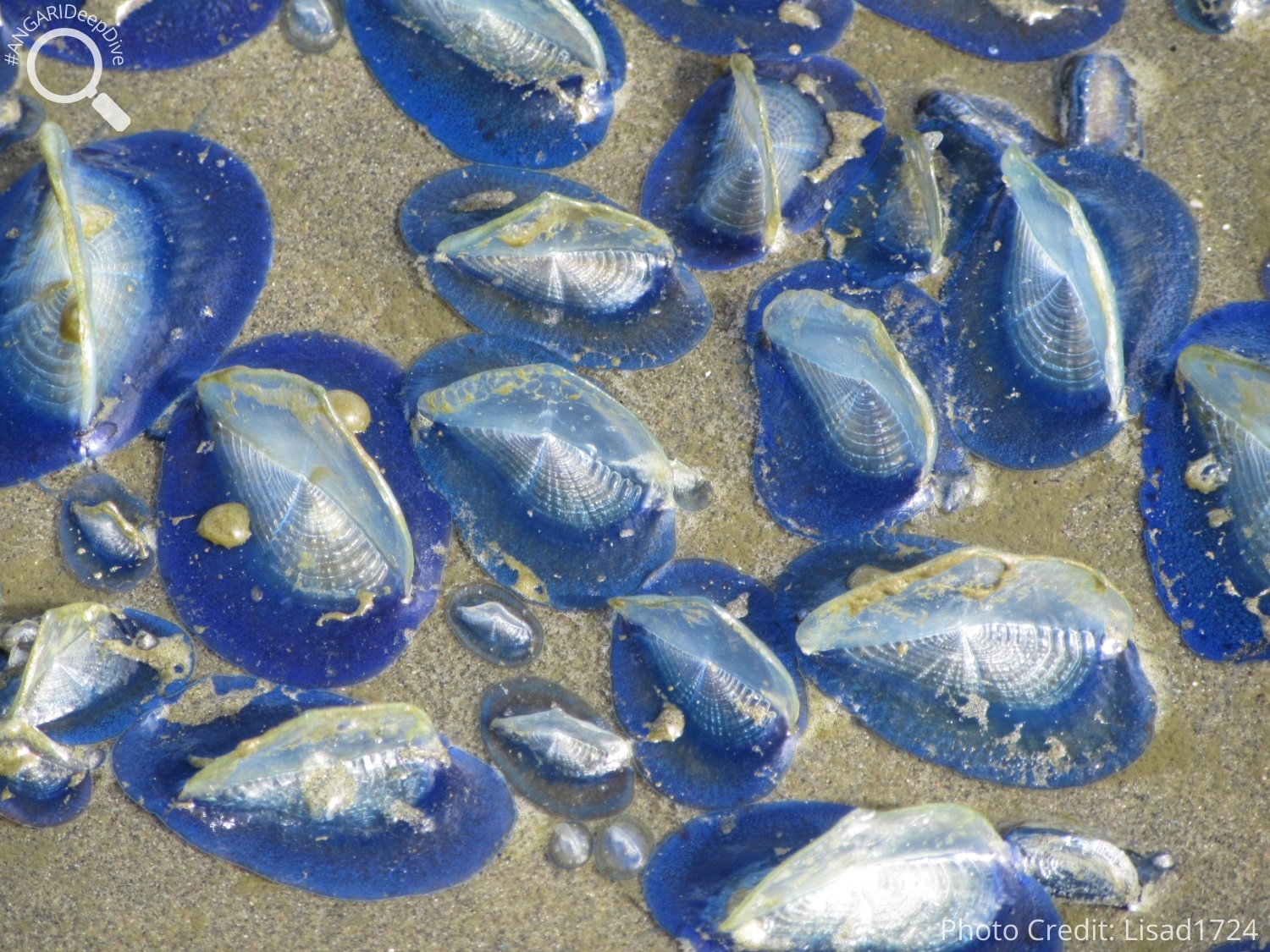
When by-the-wind sailors die, they lose their color and eventually turn clear. Additionally, their texture becomes similar to a plastic bag.
#4: How do by-the-wind sailors travel?
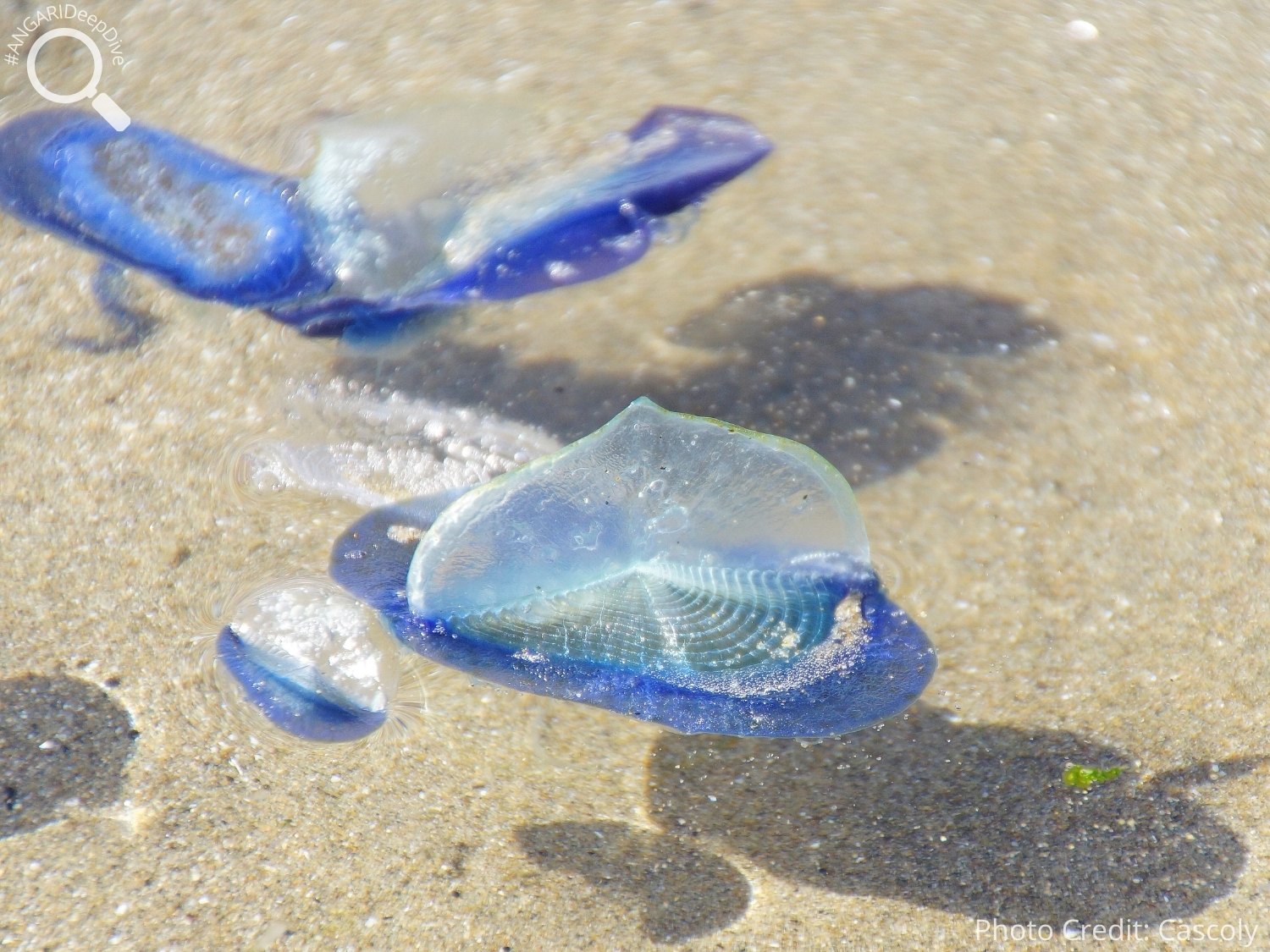
The by-the-wind sailor can’t actually swim, so it relies on the wind and ocean currents to travel across the ocean’s surface. It uses its sail to catch the wind and travel just like a sailboat would!
#5: By-the-wind sailors will sting.
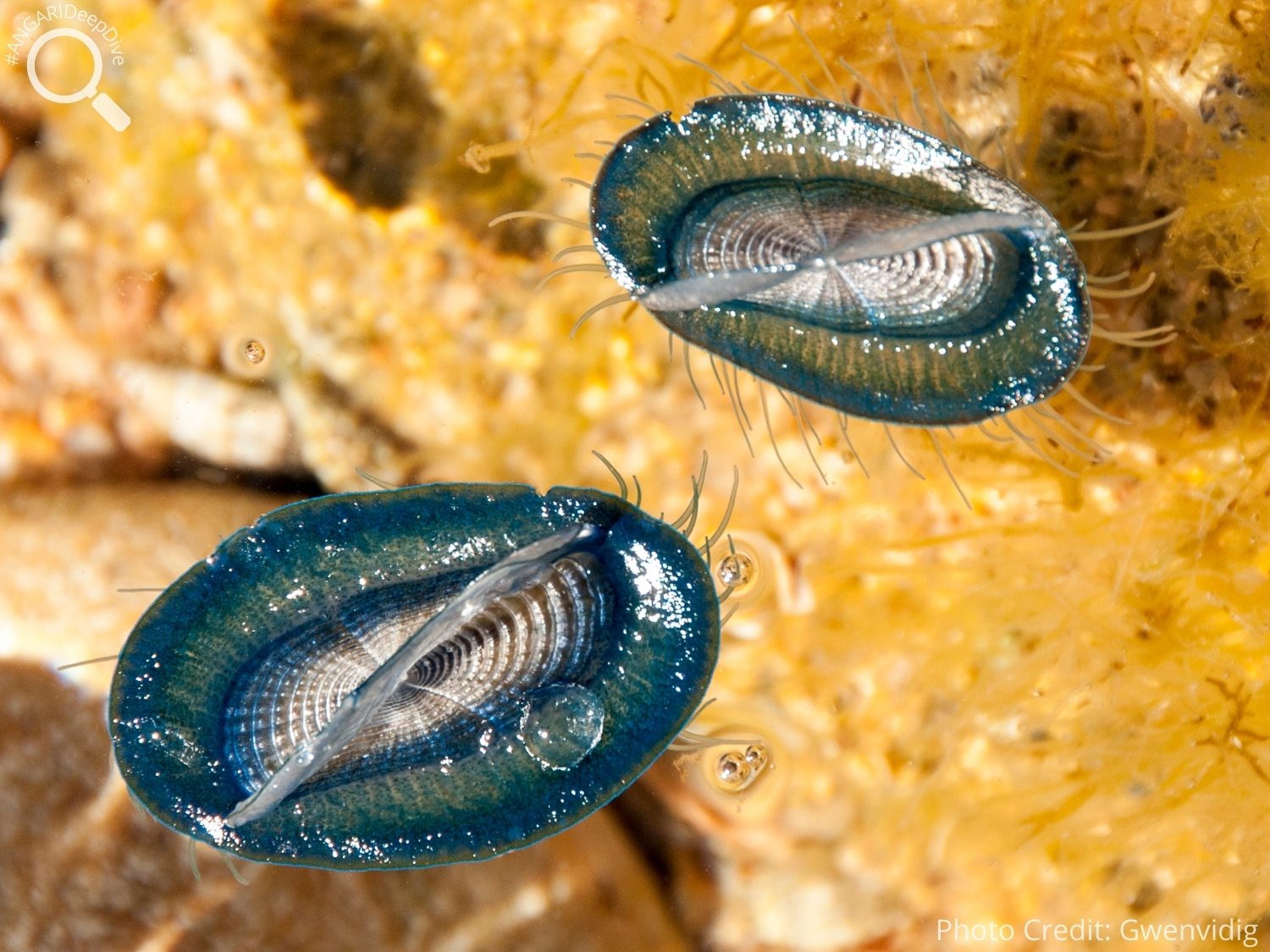
As the by-the-wind sailors travel they use their tentacles to sting and stun planktonic prey. To humans, the tentacles of a by-the-wind sailor can cause itching and redness.
#6: Mass strandings of by-the-wind sailors.
After windy storms, hundreds of by-the-wind sailors will often wash up on shore. This is because of their dependency on the wind!
#7: What do by-the-wind sailors eat?
By-the-wind sailors eat plankton that are located on or near the ocean’s surface. This can include fish eggs, crustacean larvae and copepods.
#8: What preys on the by-the-wind sailor?
When a gray angelfish feels threatened they will use coral reefs to hide and camouflage themselves and protect themselves from predators. The reefs also offer them a great place to rest and eat.
#9: By-the-wind sailors reproduce asexually.
By-the-wind sailors reproduce asexually through a process called budding. Budding is where the by-the-wind sailor clones itself and when the time is right the clones ‘bud of’ like a plant and float on the ocean’s surface. As they float they will then find more compatible polyps and form their own colony.
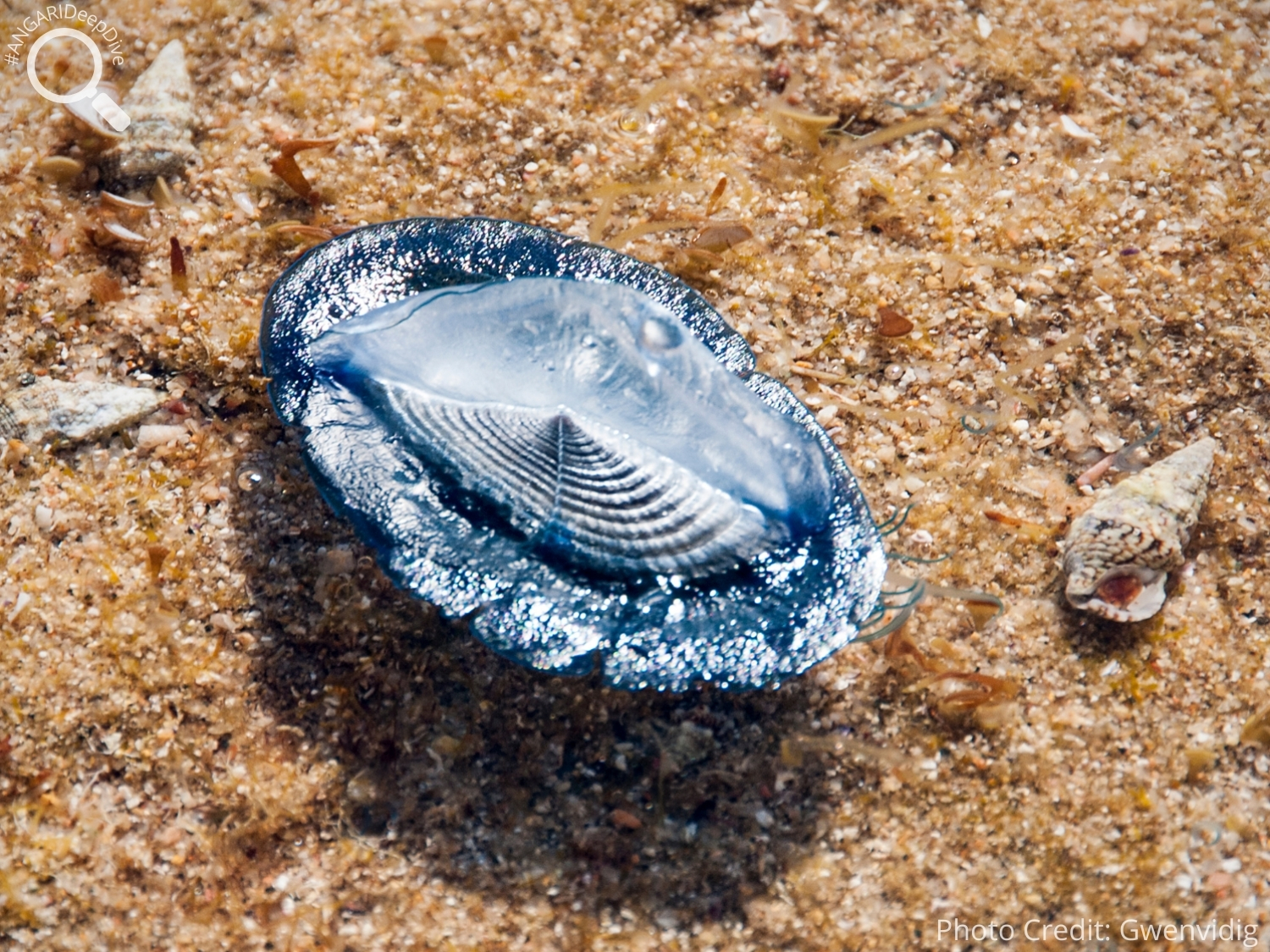
What should you do if you come across a washed-up by-the-wind sailor? Help contribute to science by snapping a photo and uploading it to science platforms such as iNaturalist (https://www.inaturalist.org/). By sharing your findings, you can help scientists learn more about the oceanic patterns behind by-the-wind sailor strandings.
Additional By-The-Wind Sailor Resources:
1. By-the-wind Sailor – iNaturalist
2. Sea Wonder: By-the-Wind Sailor – National Marine Sanctuary Foundation
3. Velella Velella (or By-the-Wind-Sailors) – National Park Services

Related Posts